
24/7 Customer Support

Free returns

Same-day & Next-day Delivery

Quality Guaranteed

Unlock Your Welcome Offers: FREE Delivery | Up to 80% OFF | Free 30-day JoyPlus trial
Download the APP
As a Joybuy Product Recommendation Officer, my role is to help you navigate the crowded online marketplace. When it comes to choosing a cider, the sheer variety can be overwhelming. From a classic apple cider to a vibrant fruit cider, the options are endless. But with so much choice comes the risk of making a purchase you might regret, especially when you decide to buy cider online in a larger cider multipack.
Many of us have been there: lured in by a label promising "traditional craft" only to be met with a disappointingly generic taste, or buying a case for a barbecue that nobody ends up enjoying. Let's look at the common pitfalls to sidestep.
To ensure you're satisfied with your purchase, focus on a few core details that cut through the marketing clutter.
This is the most crucial factor in determining a cider's taste.
The source of the apples significantly impacts the final flavour.
The packaging is more than just aesthetics; it's about practicality.
To help you choose, we've matched some popular ciders to different needs and occasions.
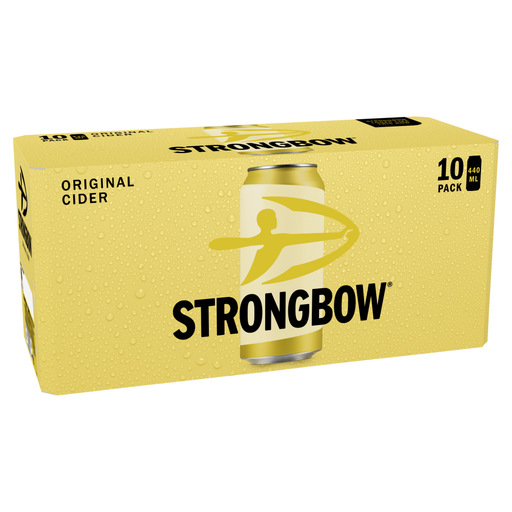
Why This Fits Their Persona: You're stocking up for a casual get-together and need a reliable, crowd-pleasing option that won't break the bank. This is a classic choice for barbecues and parties where you need a dependable multipack.
It avoids the "craft-washed" trap by being exactly what it claims to be: a straightforward, crisp and well-known British cider. There are no surprises, which is exactly what you want when catering for a group.
Excellent value in a 10-can multipack. Its familiar, crisp apple flavour profile is widely enjoyed, making it a safe and popular choice for social events.
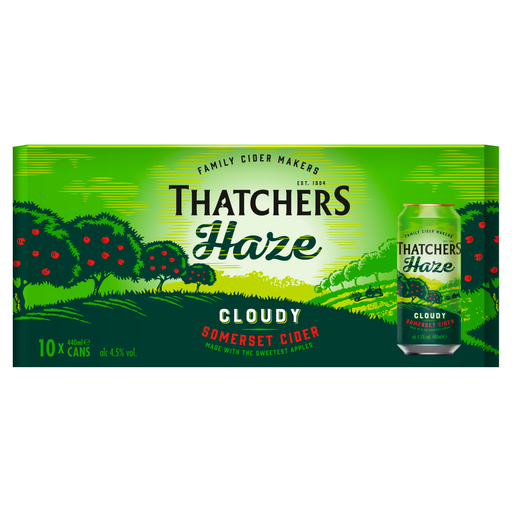
Why This Fits Their Persona: You prefer a cider with a smoother, fuller body and a naturally sweet but crisp finish. You're looking for a refreshing and easy-drinking cloudy cider for relaxed evenings or sunny afternoons.
It sidesteps misleading descriptions by being upfront about its composition. The use of specific eating apples like Discovery, Falstaff and Gala explains its crisp, juicy character, providing substance beyond just the "cloudy" label.
A well-balanced, naturally cloudy cider from a reputable Somerset producer. Its refreshing and approachable flavour makes it a popular choice.

Why This Fits Their Persona: You appreciate a cider with depth and character. You're not just looking for refreshment, but a flavour experience. This is for savouring on its own or pairing with a good meal, like cheese or roasted chicken.
This cider's quality is backed by specifics, not vague terms. It's made from a single year's vintage and slowly matured in oak barrels. This verifiable process justifies its premium character and avoids the "craft-washed" pitfall.
A rich, smooth and complex flavour profile thanks to oak-ageing. The 8.2% ABV gives it a warming, full-bodied character that sets it apart from standard ciders.
We have compiled a complete, real-time list of products that fully satisfy these strict selection criteria and UK safety regulations.
Primarily, 'cyder' is a traditional spelling. It is often used by producers, such as Aspall, to evoke a sense of heritage and long-standing tradition. Functionally, there is no regulated difference in style or production method between a cider and a cyder; it is a branding choice.
Most ciders are best served chilled. For crisp, refreshing ciders like a standard apple cider or fruit cider, serving over ice is popular, especially in warm weather. However, be aware that ice will dilute the flavour. For more complex, vintage or dry cider varieties, you may prefer to serve them chilled in a glass without ice to fully appreciate their aroma and taste profile.
Once a can or bottle is opened, the carbonation will begin to dissipate. It is best to consume it shortly after opening for the intended experience. If you have a larger container like a flagon or box, it should be kept refrigerated and will typically stay fresh for a few days, but always check the packaging for specific guidance.