Navigating the world of coconut milk can feel surprisingly complex. You have a recipe in hand—perhaps a fragrant Thai green curry, a rich Caribbean stew, or a dairy-free dessert—but the supermarket aisle presents a confusing array of tins, cartons and blocks. Should you choose milk or cream? What does the fat percentage mean? And which one will give you that authentic, creamy texture your dish deserves?
This guide is designed to cut through the clutter. As the Joybuy Product Recommendation Officer, my role is to provide clear, practical advice to help you select the right product for your culinary needs. We will explore the key differences between the types of coconut milk available, so you can feel confident when you buy coconut milk online or in-store.
Understanding Your Options: A Quick Buying Guide
Choosing the right product often comes down to three key factors: fat content, format and intended use.
1. Fat Content: The Key to Creaminess
The most significant difference between coconut products is the fat content, which directly impacts the richness and thickness of your final dish.
- Light Coconut Milk (Approx. 5-9% Fat): A thinner liquid, suitable for adding a subtle coconut flavour to soups or smoothies without adding too much richness.
- Full-Fat Coconut Milk (Approx. 17-22% Fat): This is the versatile workhorse for most recipes. Full-fat coconut milk provides the ideal balance of creamy texture and distinct flavour needed for a classic coconut milk for curry, stews and sauces.
- Coconut Cream (Over 22% Fat): Thicker and more concentrated, coconut cream for cooking is perfect for adding a final touch of indulgence, whipping into a dairy-free topping, or creating exceptionally rich desserts.
2. Format: Liquid vs. Solid
Coconut products are typically sold in two main formats, each with its own advantages.
- Liquid (Tins & UHT Cartons): Ready to pour, this is the most convenient option. UHT coconut cream and milk in cartons often have a very smooth, homogenous texture as they are designed for consistency. Tinned versions are also common, though they can sometimes separate, with a thick layer of cream rising to the top—which can be useful for certain recipes.
- Creamed Coconut Block: This is pure, dehydrated coconut flesh pressed into a solid block. A creamed coconut block is highly concentrated and economical. You can grate a small amount directly into a sauce to thicken it, or dissolve it in hot water to create coconut milk or cream of your desired consistency. This gives you excellent control over the flavour and richness.
Recommended Coconut Milk & Cream
Based on their formulation and suitability for common culinary tasks, here are a few standout options to consider for your kitchen pantry.
AROY-D Coconut Milk Cooking 19% Fat 400ml

- Why It Stands Out: With a 19% fat content, this product sits perfectly in the full-fat coconut milk category, making it an exceptionally versatile choice. Its UHT processing ensures a consistently smooth, pourable liquid that integrates seamlessly into recipes without splitting. It is a go-to for authentic Thai coconut milk preparations.
- Pros:
- Reliable and consistent texture for predictable results.
- Balanced fat content suitable for a wide range of savoury and sweet dishes.
- Convenient, resealable carton format.
- Who is it for?: Home cooks seeking a dependable, all-purpose coconut milk for classic Southeast Asian curries, soups like Tom Kha Gai and sauces.
Dunn's River Creamed Coconut 200G

- Why It Stands Out: This is a pure creamed coconut block made from 100% coconut. It offers an intense, undiluted coconut flavour and gives the cook complete control. You can create milk or cream to your exact preferred thickness or simply grate it into a dish as a rich thickener.
- Pros:
- Made from a single ingredient: 100% coconut.
- Allows for customisable consistency and flavour intensity.
- Long shelf life and economical, as a little goes a long way.
- Who is it for?: Cooks who value ingredient purity and flexibility. It is particularly well-suited for Caribbean and African cuisines, as well as for bakers and dessert makers who need concentrated flavour.
Blue Dragon Coconut Cream UHT 250ml
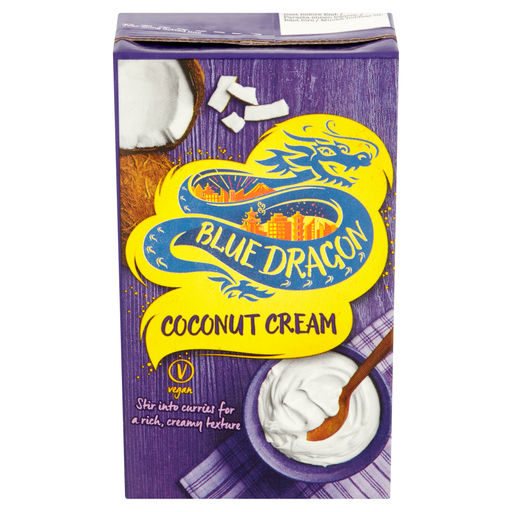
- Why It Stands Out: As a dedicated UHT coconut cream, this product is specifically designed for adding maximum richness. With a 20% fat content, its thick, velvety texture is perfect for finishing dishes where a luxurious mouthfeel is desired without watering down the flavour.
- Pros:
- Very rich and creamy for an indulgent finish.
- Smooth, stable UHT formulation.
- Convenient 250ml pack size is ideal for single recipes, reducing waste.
- Who is it for?: Anyone looking to enrich a sauce, soup, or dessert at the final stage of cooking. It is an excellent choice for adding body to a curry or creating a decadent base for a panna cotta.
Looking for More Options?
The world of coconut cooking ingredients is vast. If you are looking for a lighter option, an organic variety, or simply want to browse other formats, there are many more products to discover.
Explore our complete collection to find the perfect match for your recipe.
[Shop the full Coconut Milk & Coconut Cream range at Joybuy](https://www.joybuy.co.uk/explore/coconut-milk-coconut-cream/lui0QpD2)
Frequently Asked Questions
What is the difference between coconut milk and coconut cream?
The primary difference is fat content and consistency. Coconut milk has a lower fat content and a more liquid, milk-like consistency. Coconut cream has a much higher fat content, making it significantly thicker and richer. Think of it as the coconut equivalent of dairy milk versus double cream.
Can I use coconut milk for a curry?
Absolutely. In fact, full-fat coconut milk is the foundation of many classic curries from Thailand, India and beyond. It provides the essential creamy base that balances the heat and spice of the curry paste, creating a harmonious and flavourful sauce.
How do I use a creamed coconut block?
A creamed coconut block is very versatile. To make coconut milk, simply dissolve a piece of the block in hot water, using more water for a lighter milk and less for a richer cream. You can also grate it directly into stews, sauces, or porridge during cooking to add richness and a deep coconut flavour.


