
24/7 Customer Support

Free returns

Same-day & Next-day Delivery

Quality Guaranteed

Unlock Your Welcome Offers: FREE Delivery | Up to 80% OFF | Free 30-day JoyPlus trial
Download the APP
From creamy curries to refreshing drinks, coconut products have become a staple in many UK kitchens. Yet, navigating the aisles to buy coconut products online can be confusing. Packaging often makes bold claims, but the contents can lead to disappointing meals or snacks loaded with unexpected ingredients. As a Joybuy Product Recommendation Officer, my role is to help you see past the marketing and choose items that genuinely suit your needs.
Before you add anything to your basket, let's look at the common pitfalls that catch out many shoppers.
To ensure you get what you're paying for, focus on these three core parameters. They are the difference between a culinary success and a shopping regret.
The creaminess of your curry or soup depends almost entirely on the fat content of the coconut milk. This is a non-negotiable specification for authentic Asian and Caribbean cooking.
The form of coconut you choose will dramatically impact the moisture and texture of your dish.
When buying a coconut drink for hydration, the ingredients list is your most reliable guide.
Based on these practical criteria, here are a few coconut products suited for different needs and lifestyles.
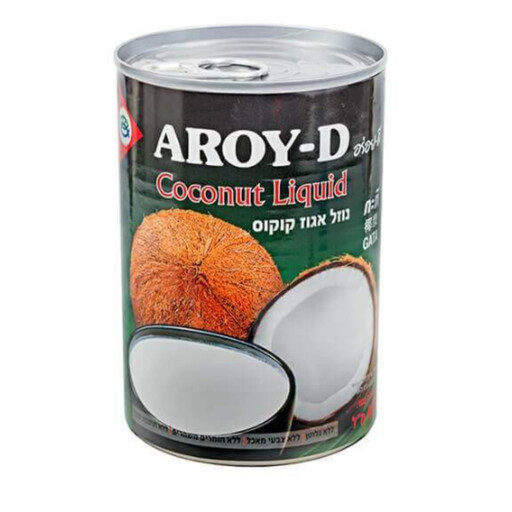
Why This Fits Their Persona: This is a go-to for anyone serious about recreating authentic Asian cooking ingredients at home. It provides the rich, velvety base essential for a proper Thai green curry or a creamy Filipino ginataan, ensuring your dish has the right consistency and flavour.
It directly solves the "Texture Mismatch" pitfall. The clearly stated 17% fat content guarantees the creaminess needed for rich recipes, preventing the watery results you'd get from a generic "light" version.
Offers a consistent, reliable quality and authentic flavour profile. Its smooth, rich texture is ideal for both savoury and sweet dishes.
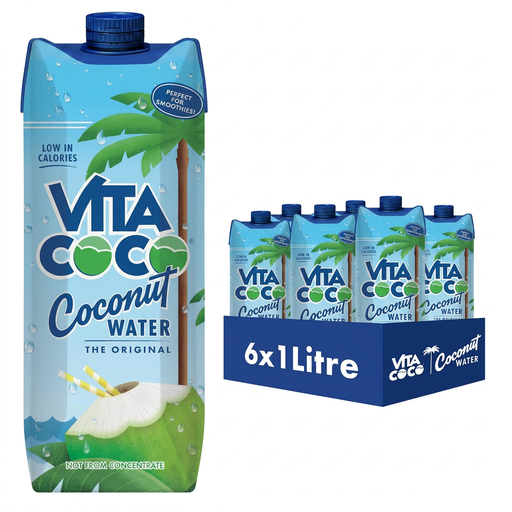
Why This Fits Their Persona: This bulk pack is ideal for someone who incorporates coconut water into their daily routine, whether for post-workout recovery, morning smoothies or simply staying hydrated throughout the day. It offers convenience and value for regular users.
This product avoids the "Pure Coconut Water Myth." The label clearly states it is 99% coconut water and not from concentrate. The minimal added fruit sugar (less than 1%) is transparently declared.
Contains natural electrolytes, particularly potassium. It is fat-free, low in calories and comes in a large multi-pack for convenience.

Why This Fits Their Persona: For those who love experimenting with textures in their food, this is a perfect ingredient. It's the chewy element in many Southeast Asian desserts and drinks, ideal for making homemade bubble tea, halo-halo or adding a fun twist to fruit salads and yoghurts.
It sidesteps the "Healthy Snack" illusion by being exactly what it is: a dessert ingredient. As it's packed in syrup, it's clearly positioned as a sweet treat, not a health food, ensuring you know what you're buying.
Ready to use straight from the can. It offers a unique, chewy texture that is difficult to replicate and is a source of dietary fibre.
We have compiled a complete, real-time list of products that fully satisfy these strict selection criteria and UK safety regulations.
What is the difference between coconut milk and coconut cream? The main difference is the fat content and consistency. Coconut cream has a much higher fat content (typically over 22%) and is thicker, often with a solid layer of cream at the top of the can. Coconut milk is more liquid with a lower fat content. For an intensely rich curry, you might use cream, whereas milk is a more versatile all-rounder for soups, stews and sauces.
Can I use coconut water for cooking? Yes, absolutely. Coconut water can be a fantastic, light liquid base for cooking. Use it to cook rice or quinoa for a subtle sweetness, or add it to light broths and vegetable stews. It imparts a delicate tropical flavour that is less overpowering than coconut milk.
How should I store opened tinned coconut milk? Never store leftover coconut milk in the opened tin, as metal can leach into the food. Transfer any unused portion to a glass or plastic airtight container, place it in the refrigerator and aim to use it within three days for the best quality and safety.