
24/7 Customer Support

Free returns

Same-day & Next-day Delivery

Quality Guaranteed

Unlock Your Welcome Offers: FREE Delivery | Up to 80% OFF | Free 30-day JoyPlus trial
Download the APP
Buying coffee online in the UK gives you access to beans, ground coffee, instant coffee, capsules, coffee bags and ready-to-drink options from around the world. However, a large range can make it difficult to compare products fairly. Roast labels, pack sizes and brewing claims do not always tell the full story.
This guide explains the main buying pitfalls, the practical specifications to check and our top recommendations for different types of coffee drinkers.
A dark roast coffee can taste smoky and intense, but roast strength does not automatically indicate how much caffeine a serving contains. Caffeine levels depend on the bean, blend, serving size and preparation method.
If caffeine matters to you, check the product packaging and serving guidance rather than relying only on words such as “intense”, “strong” or “dark”.
Coffee beans require a grinder, while ground coffee must have a grind size suited to your brewing method. Espresso coffee is generally ground more finely than coffee prepared in a cafetière or filter machine.
Similarly, Nespresso-compatible coffee capsules are designed for compatible capsule machines, not for all pod systems. Always check the compatibility wording before ordering a multipack.
A 1kg bag of coffee beans may offer a lower cost per gram, but it is only practical if your household drinks coffee regularly. Once opened, beans and ground coffee should be kept sealed in a cool, dry place. Buying too much can mean the aroma and flavour become less appealing before the pack is finished.
For occasional drinkers, coffee bags, instant coffee or smaller packs may provide better everyday value.
Start with the equipment and routine you already have:
Arabica coffee is often described through flavour characteristics such as fruity, nutty or chocolate notes. Robusta is commonly used in blends and can contribute a fuller body and stronger bitterness. Neither description alone determines whether a coffee will suit your taste.
Single-origin coffee identifies beans associated with one country or region, while a blend combines beans from different origins. For example, Colombian Arabica may offer a different flavour profile from a blend containing beans from Brazil, Africa or Vietnam.
Roast descriptions are useful for choosing flavour direction:
Intensity scales are not fully standardised between brands, so compare them within the same product range. Also check the net quantity, serving instructions and storage guidance rather than judging value from the front label alone.
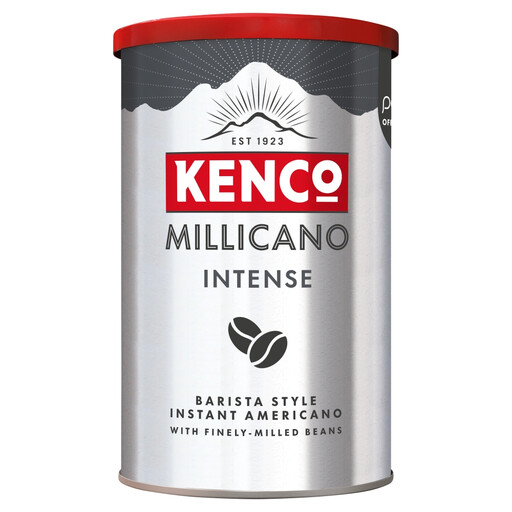
Why This Fits Their Persona: A practical instant format for UK households, students and first-time online coffee buyers who want quick preparation without buying extra equipment.
The 95g tin makes the quantity clear, while the ingredients identify a combination of instant coffee and roast-and-ground coffee rather than leaving the format ambiguous.
Instant preparation; supplied in a resealable tin; suitable for everyday hot drinks.
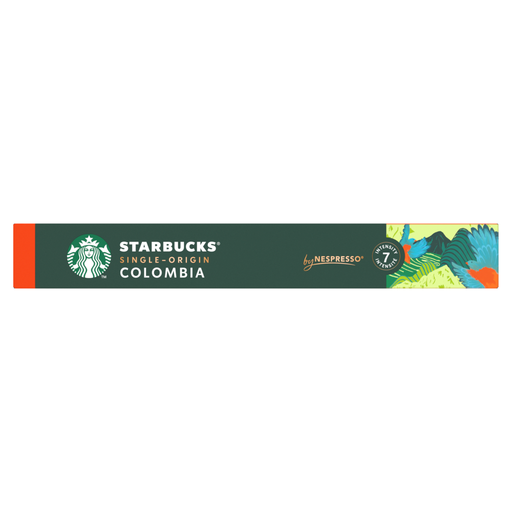
Why This Fits Their Persona: Suitable for capsule-machine owners who want a clearly identified Colombian single-origin coffee for an uncomplicated espresso routine.
The listing states Nespresso-compatible aluminium capsules, 100% Arabica Colombian origin and medium roast intensity 7, giving buyers specific details to compare.
12 capsules; 100% Arabica coffee; recyclable through the stated Nespresso programme.
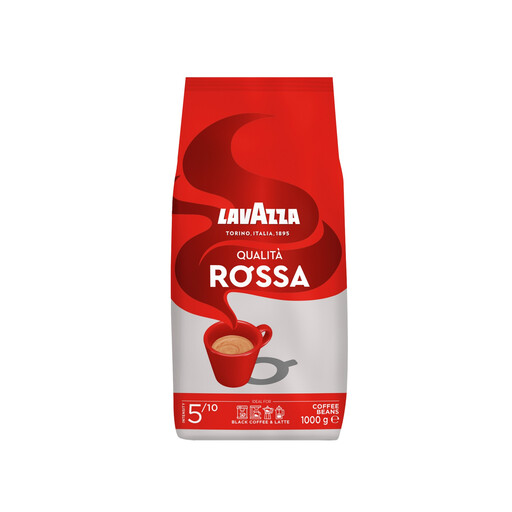
Why This Fits Their Persona: A 1kg whole-bean pack is suited to households, shared kitchens and home baristas who prepare coffee frequently with a grinder.
The pack size is stated clearly, and the blend is identified as Arabica and Robusta rather than being described only with broad roast language.
1kg whole beans; medium roast; suitable for espresso, filter coffee and French press.
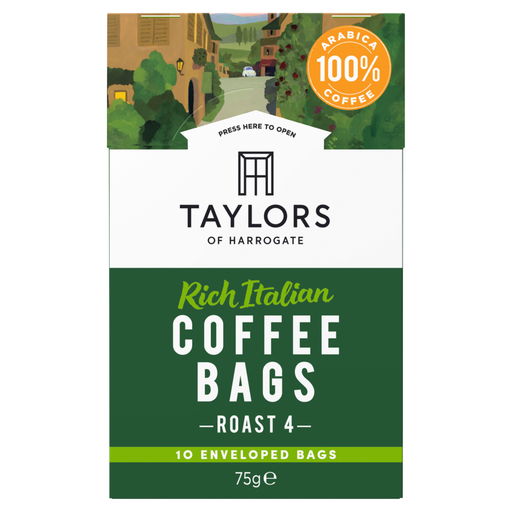
Why This Fits Their Persona: Individually wrapped coffee bags work well in offices, university rooms and travel situations where a kettle and mug are available but loose grounds are inconvenient.
The brewing format and individual wrapping are explicit, so you do not need to measure loose ground coffee or carry a separate filter.
75g pack; 100% Arabica coffee; wallet-sized, individually wrapped bags.
We have compiled a complete, real-time list of products that fully satisfy these strict selection criteria and UK safety regulations.
When you buy coffee online, compare the cost per serving, not simply the pack price. A 200g bag may suit occasional use, while coffee multipacks can make sense for busy households or shared offices. Consider delivery charges, storage space and how much preparation time you have on weekday mornings.
Flavoured coffee and ready-to-drink coffee can add variety, but check ingredients and sugar content if those factors are important to your household. For ready-to-drink products containing milk, follow the stated storage instructions and refrigerate after opening where required.
Bulk packs can reduce the cost per gram, particularly for coffee beans and ground coffee. However, the saving may be reduced if coffee loses freshness before use or if you pay for delivery. Choose a pack size that matches your normal consumption.
Instant coffee, coffee bags, drip bag coffee and concentrated coffee liquid require limited equipment. Coffee bags are useful where you want brewed coffee without carrying grounds, while instant coffee is generally quicker to prepare.
Keep unopened coffee in the condition stated on the packaging. Once opened, store beans or ground coffee in an airtight container in a cool, dry place away from heat and direct sunlight. Check the best-before date and follow any product-specific guidance.