
24/7 Customer Support

Free returns

Same-day & Next-day Delivery

Quality Guaranteed

Unlock Your Welcome Offers: FREE Delivery | Up to 80% OFF | Free 30-day JoyPlus trial
Download the APP
Buying coffee online in the UK gives you access to instant coffee, ground coffee, coffee bags, drip bag coffee and flavoured coffee from a wide range of brands and origins. However, attractive packaging and phrases such as “intense”, “premium” or “barista-style” do not always tell you whether a product suits your routine.
The right choice depends on how you prepare coffee, how quickly you drink it and what you expect from each cup. The following guide highlights common buying traps, explains the specifications worth checking and presents our top recommendations for different types of UK coffee drinkers.
A dark roast coffee may taste smoky, bitter or full-bodied, but roast level alone does not reliably indicate caffeine content. Similarly, a product labelled “intense” may refer to flavour rather than a measured caffeine quantity.
If caffeine matters to you, check the product label and serving guidance rather than relying on roast descriptions. This is particularly relevant when choosing coffee for home or coffee for office use, where several servings may be prepared throughout the day.
Ground coffee is not automatically suitable for every coffee maker. Cafetiere and filter coffee generally require a different grind from espresso coffee prepared in an espresso machine. Moka pot coffee also has its own brewing requirements.
Coffee bags and drip bag coffee are more forgiving because they contain a pre-portioned amount of ground coffee. Instant coffee and concentrated coffee liquid require less equipment, but they provide a different preparation experience from freshly brewed coffee.
Flavoured coffee, cappuccino sachets and latte sachets may include sugar, milk powder, creamer or flavourings. Always check the ingredient list and allergen statement, especially if you have a milk allergy or are buying for a shared workplace kitchen.
A large jar may appear more economical, but individual coffee sachets can reduce waste when you only drink coffee occasionally. Conversely, single portions may cost more per serving for heavy users.
Start by matching the product to your preparation method:
Do not assume that “espresso” in an instant coffee name means it can be used in an espresso machine. Check whether the product is soluble or ground before ordering.
Arabica coffee is often selected for its varied aroma and smoother taste, while blends may include other coffee varieties for body or intensity. Roast descriptions are useful for predicting flavour, but they are not a complete guide to quality.
Medium roast coffee may suit people who want balance and versatility. Dark roast coffee generally offers a deeper, more pronounced flavour. Italian coffee blends are often associated with espresso-style preparation, but always confirm the recommended equipment.
Flavour notes such as chocolate, almond, caramel, hazelnut or fruit describe the expected taste profile. They do not necessarily mean that the product contains those ingredients. Flavoured coffee, however, may contain added flavouring, so read the label carefully.
Compare the net quantity and estimated number of servings, not just the pack price. A 190g jar of instant coffee may be practical for regular household use, while a pack of individually wrapped coffee bags may be more convenient for commuting or travel.
Keep coffee in a cool, dry place away from moisture and direct sunlight. Once opened, ground coffee should be sealed properly to help preserve its aroma. Follow the packaging for best-before information and preparation quantities.
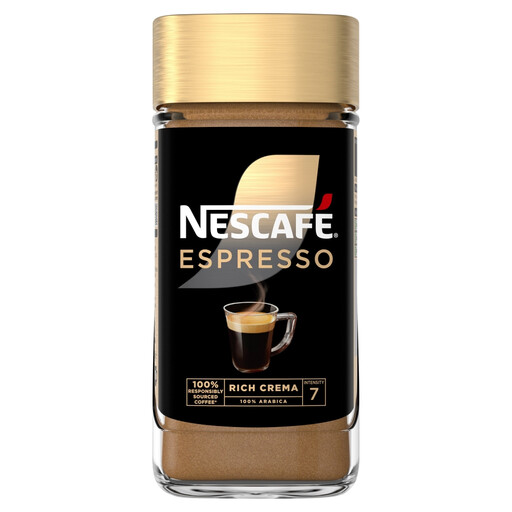
Why This Fits Their Persona: A 190g jar of soluble coffee is straightforward for everyday home use, with no machine or specialist equipment required.
The product information clearly identifies it as soluble coffee and lists 100% Arabica coffee, avoiding confusion about machine compatibility.
100% Arabica soluble coffee; convenient 190g cupboard format; no added preparation equipment.
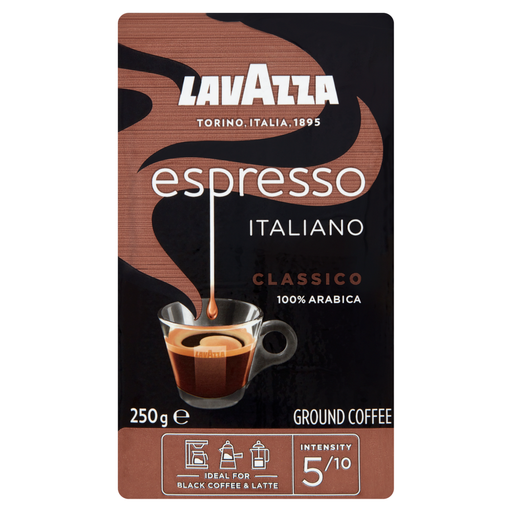
Why This Fits Their Persona: Suitable for moka pots, filter machines and French presses, it offers flexibility for shoppers who already enjoy brewed coffee at home.
The listed brewing methods make the intended use clearer than a generic “espresso-style” description.
250g ground coffee; medium roast; 100% coffee beans; compatible with several home brewing methods.
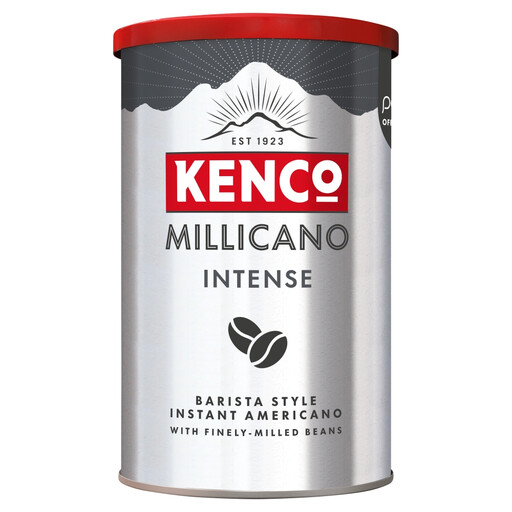
Why This Fits Their Persona: The tin format is easy to store in a kitchen or office cupboard, while the instant-and-ground blend provides a brewed-style direction without lengthy preparation.
The ingredient list specifies 85% instant coffee and 15% roast and ground coffee, so shoppers can see exactly what the blend contains.
Quick preparation; resealable tin; clear composition; suitable for hot drinks without a coffee machine.
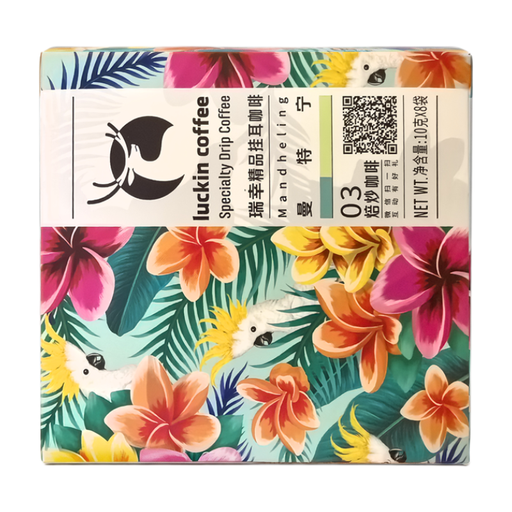
Why This Fits Their Persona: Eight individually packed 10g bags can work for travel, study breaks or an office where a kettle is available but brewing equipment is limited.
It is clearly described as drip bag coffee requiring hot water, rather than suggesting instant preparation.
100% Arabica coffee beans; individual packaging; designed for manual brewing at approximately 90–95°C.
We have compiled a complete, real-time list of products that fully satisfy these strict selection criteria and UK safety regulations.
For a sweet, creamy drink, Starbucks Premium Instant Caramel Latte Sachets provide five 23g portions and contain milk. Old Town 3 in 1 White Coffee Hazelnut offers 15 individual sachets with coffee, creamer and sweetness combined. Check the nutritional panel if you are comparing sugar or energy per serving.
For unusual flavour profiles, J.ZAO Freeze-Dried Instant Black Coffee Powder comes in 24 individually sealed 2g capsules and can be mixed with hot or cold water. Trung Nguyen Legend Cappuccino Hazelnut contains coffee, cream powder, sugar and hazelnut flavouring in 12 sachets. These products are more suitable for shoppers prioritising convenience and flavour variety than a plain black coffee.
It can be, particularly for larger jars or multi-pack coffee sachets, but compare the cost per 100g or per serving. Consider waste, storage space and how quickly the coffee will be consumed. Buying a large pack is less practical if the product loses its aroma before you finish it.
Instant coffee, coffee bags and drip bag coffee usually require only a mug and kettle. Sachets are useful where people want consistent portions, while a jar can be more economical for a shared kitchen. Check allergen information before buying latte or cappuccino sachets for communal use.
Keep unopened coffee in the conditions stated on the label, normally a cool, dry place away from direct sunlight. Reseal jars and opened ground coffee securely. Avoid storing coffee beside strong-smelling foods, as coffee can absorb surrounding odours.