
24/7 Customer Support

Free returns

Same-day & Next-day Delivery

Quality Guaranteed

Unlock Your Welcome Offers: FREE Delivery | Up to 80% OFF | Free 30-day JoyPlus trial
Download the APP
Navigating the world of online seafood can be tricky. When you decide to buy crab online, you are met with a dizzying array of options, from whole frozen crab and ready-to-eat snow crab meat to crab sticks and savoury seafood snacks. The convenience is undeniable, but it comes with pitfalls that can lead to disappointment in the kitchen.
As the Joybuy Product Recommendation Officer, my role is to help you understand the market, so you can choose the right product for your needs with confidence. Let's look at the common traps to avoid and the key factors to check before you add anything to your basket.
To ensure you get exactly what you need, focus on these three core parameters. They will help you distinguish between different products and match them to your culinary goals.
Understanding the fundamental differences between these categories is the first step to a successful purchase.
Always check the product's state to align it with your recipe and available time.
ESSENTIAL ROYAL STAR Half Cut Raw Blue Swimming Crab must be fully cooked before consumption. They offer excellent flavour as they absorb sauces and spices during cooking, making them perfect for curries, stews and stir-fries.Nordic Seafood MSC Snow Crab Meat are pre-cooked and just need to be thawed. This offers immense convenience for cold dishes like salads and sandwiches or for being gently warmed in pasta sauces.The form of the crab product dictates its use and the effort required.
To make things clearer, here are a few recommendations matched to different types of home cooks.
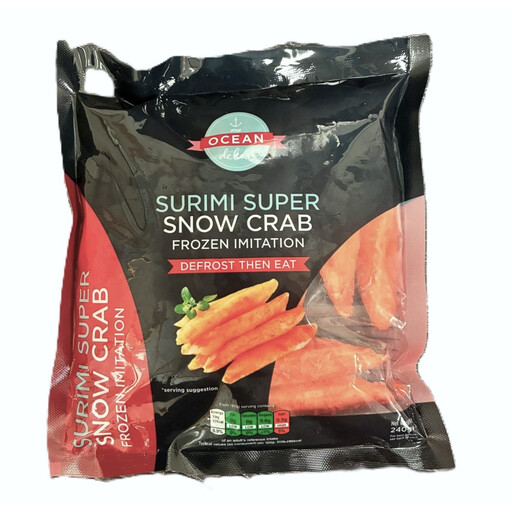
Why This Fits Their Persona: This is for the home cook dedicated to making authentic-tasting California rolls or Kani salads. They need an ingredient that looks and feels like real crab leg meat without the high cost or intensive labour.
It is clearly labelled "Imitation Super Snow Crab," avoiding the real vs. imitation pitfall. The "Super" grade quality ensures a fibrous, non-mushy texture, unlike cheaper alternatives.
Features a higher surimi content for a realistic, flaky texture that pulls apart easily. It is fully cooked and ready to use once defrosted.

Why This Fits Their Persona: This user wants to create authentic, flavour-packed dishes like a Singaporean chilli crab or a rich Thai crab curry. They value genuine ingredients and don't mind cooking from raw to achieve a superior taste.
It clearly states "Raw" and "Half Cut," managing preparation expectations. The U10 size grading guarantees large, meaty pieces, ensuring a satisfying meal rather than empty shells.
Pre-cleaned and halved to save significant prep time. The raw format allows the sweet meat to perfectly absorb the flavours of sauces and aromatics during cooking.
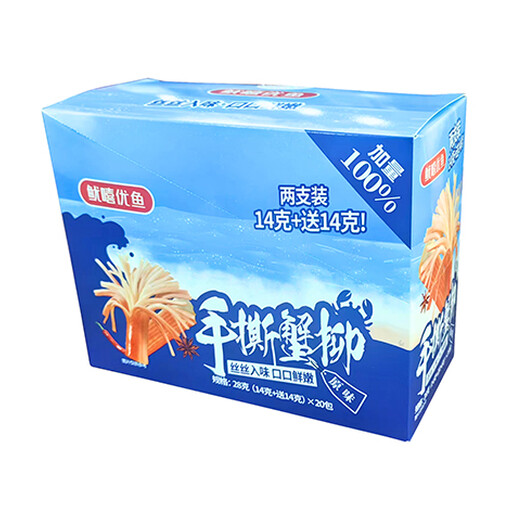
Why This Fits Their Persona: This person is looking for a savoury, protein-rich snack that is easy to eat on the go, pack in a lunchbox or enjoy during a break. They prioritise convenience and flavour over culinary application.
It is clearly positioned as a ready-to-eat surimi snack, not a cooking ingredient. The individual wrapping maintains freshness and portion control, avoiding the waste of larger, unsealed packs.
Made from high-quality Alaskan pollock for a tender, flaky texture. The 20 individual packs are hygienic, portable and perfect for snacking anytime.
We have compiled a complete, real-time list of products that fully satisfy these strict selection criteria and UK safety regulations.
For most UK households, high-quality frozen crab is often a better choice than "fresh" crab that may have spent days in transit. Crab that is "flash-frozen" at sea or immediately after being caught has its flavour, texture and nutrients locked in. This method preserves the crab at its peak, often resulting in a higher quality product than one that has been sitting on ice for an extended period.
The main difference is the core ingredient. Real crab is the meat from a crab. Crab sticks, or surimi, are made from a paste of white fish (like pollock) that has been processed, flavoured and coloured to resemble crab leg meat. While surimi is a versatile and affordable ingredient, it does not have the same delicate flavour or nutritional profile as genuine crab.
The safest and most effective method is to defrost it slowly in the refrigerator overnight. Place the sealed package on a plate or in a bowl to catch any condensation. Avoid defrosting at room temperature, in hot water or in the microwave, as these methods can encourage bacterial growth and ruin the delicate texture of the meat. Always check the packaging for specific instructions.