
24/7 Customer Support

Free returns

Same-day & Next-day Delivery

Quality Guaranteed

Unlock Your Welcome Offers: FREE Delivery | Up to 80% OFF | Free 30-day JoyPlus trial
Download the APP
A good curry paste is the secret to a fragrant, flavourful and satisfying meal that rivals your favourite takeaway. Yet, a walk down the supermarket aisle reveals a dizzying array of tubs and jars, all promising an "authentic" experience. Many home cooks in the UK find themselves disappointed when their finished dish lacks the punch and depth they were hoping for.
As the Joybuy Product Recommendation Officer, my role is to help you navigate these choices. We will look at the common pitfalls that lead to a bland dinner and highlight the key factors to check before you buy curry paste online, ensuring your next curry is a resounding success.
Before you add a jar to your basket, be aware of these frequent issues that can turn a promising meal into a letdown.
Thai curry paste varieties, particularly red and green, use shrimp paste as a fundamental ingredient for umami depth. This is not always clearly advertised on the front label, making it an easy trap to fall into.To make a confident choice, focus on these two non-negotiable elements. They will tell you more about the final taste than any marketing slogan.
Not all pastes are created equal. Their flavour profile is dictated by their regional origins and core ingredients.
Thai Curry Pastes: These are the foundation of many popular UK dishes.
Indian & Malaysian Pastes: These often start with a different base. An Indian curry paste like Korma or Butter Chicken typically relies on a blend of spices like garam masala, turmeric and coriander, often with a tomato or onion foundation. Malaysian pastes, like Nyonya, might incorporate candlenut and lemongrass for a unique profile.
The back of the pack is your source of truth. For an authentic curry paste from Thailand, look for lemongrass, galangal and kaffir lime peel high up on the list. For dietary needs, scan carefully for allergens. The presence of shrimp paste (crustaceans) immediately rules it out for vegans or those with seafood allergies. Thankfully, many brands now offer excellent vegan curry paste alternatives.
Instead of a generic review, we have matched some standout options to the specific needs of UK home cooks.
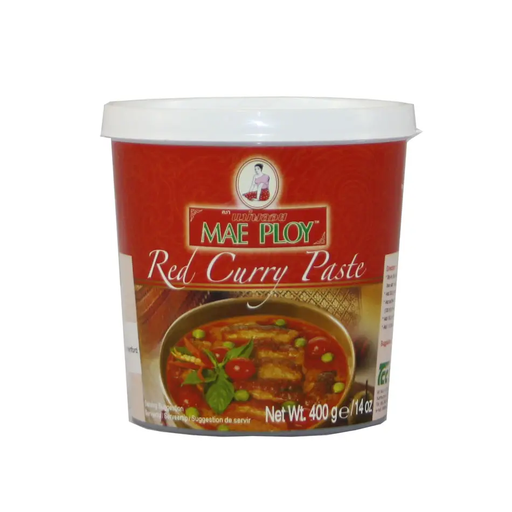
Why This Fits Their Persona: For the cook who wants to replicate the genuine, robust flavour of a Thai restaurant at home. This paste is a staple in many professional kitchens for its uncompromising and concentrated flavour. The large 400g tub is ideal for those who cook curry regularly.
It directly counters the "bland flavour" pitfall. The ingredients list features a high percentage of dried red chilli (22.5%), garlic, lemongrass and authentic shrimp paste, ensuring a powerful and complex taste.
Highly concentrated, so a little goes a long way. The resealable tub maintains freshness well in the fridge. It contains no added MSG or artificial colours.
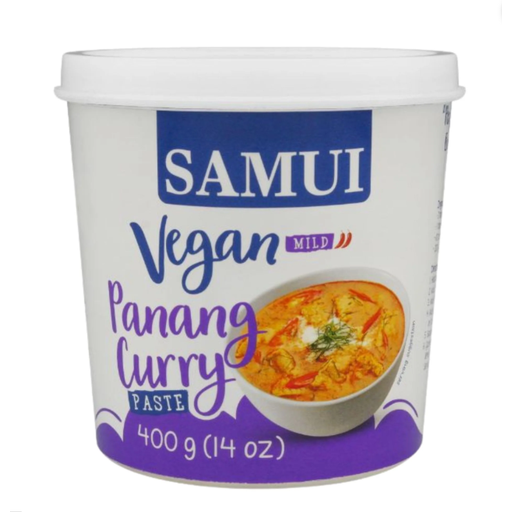
Why This Fits Their Persona: This is for the cook who needs a guaranteed plant-based option without sacrificing flavour. It allows for the creation of a rich, creamy and nutty Panang curry that is suitable for vegans and those with seafood allergies.
It completely avoids the "hidden shrimp paste" trap. As a dedicated vegan curry paste, it is formulated from the ground up without any animal-derived ingredients, providing total peace of mind.
Delivers a rich and aromatic Panang flavour using only plant-based ingredients. The blend of lemongrass, galangal and kaffir lime peel ensures an authentic Thai taste profile.
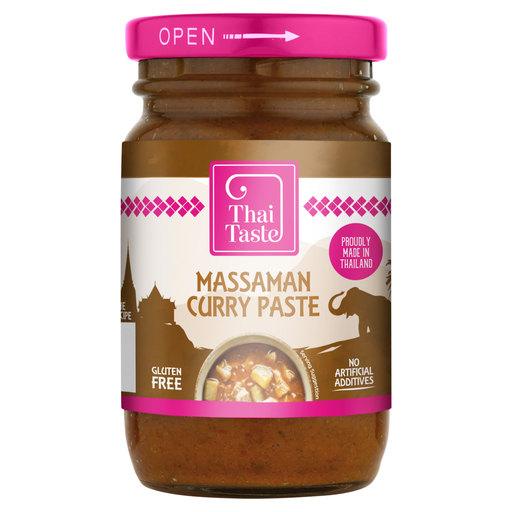
Why This Fits Their Persona: Ideal for busy professionals or families seeking a quick, flavourful and crowd-pleasing dinner. Massaman curry is famously mild and aromatic, making it a safe and delicious choice for those who are not fans of intense spice.
This massaman curry paste sidesteps the "inconsistent heat" pitfall. Its profile is reliably mild, focusing on the fragrant warmth of spices like cinnamon and cardamom rather than chilli heat, ensuring a pleasant meal every time.
A harmonious blend of sweet and savoury notes with no artificial additives. The compact 114g jar is perfectly portioned for a single family meal, reducing food waste.
We have compiled a complete, real-time list of products that fully satisfy these strict selection criteria and UK safety regulations.
This depends on the brand's concentration and your personal preference for spice. As a general guide, start with 1-2 tablespoons of paste for every 400ml of coconut milk. Highly concentrated pastes, like Mae Ploy, require less than some other jarred varieties. It is always a good idea to check the packaging for a recommendation and taste the sauce as you cook, adding more paste if needed.
For the majority of Thai curry pastes, yes. Frying the paste in a little oil over medium heat for a minute or two is a vital step. This process, known as "blooming," helps to release the aromatic oils from the spices and herbs, which significantly deepens the flavour of your final dish.
Once opened, the container should be sealed as tightly as possible and stored in the refrigerator. Most pastes will remain in good condition for at least four weeks, but you should always refer to the product's label for the manufacturer's specific advice. While it may remain safe to eat for longer, the paste's vibrant aroma and flavour will gradually diminish over time.