
24/7 Customer Support

Free returns

Same-day & Next-day Delivery

Quality Guaranteed

Unlock Your Welcome Offers: FREE Delivery | Up to 80% OFF | Free 30-day JoyPlus trial
Download the APP
As a dog owner in the UK, navigating the aisles—both physical and virtual—to buy dog food can feel overwhelming. Shelves are packed with bags and tins, all promising vibrant health for your companion. But with so much marketing noise, it's easy to fall into common traps that don't benefit your dog or your wallet.
My role as Joybuy's Product Recommendation Officer is to help you see past the hype. Let's look at the frequent pitfalls and what really matters when selecting your dog's next meal.
To make an informed choice, focus on these key parameters rather than just the front-of-bag claims.
Every bag of complete dog food in the UK must display its analytical constituents. These are the non-negotiable figures that tell you about the food's basic nutritional makeup.
The choice between wet dog food and dry dog food often comes down to your dog's preference, your lifestyle and your budget.
A dog's nutritional needs change dramatically throughout its life.
Based on these practical criteria, here are a few options from our catalogue that match different owner and dog profiles.
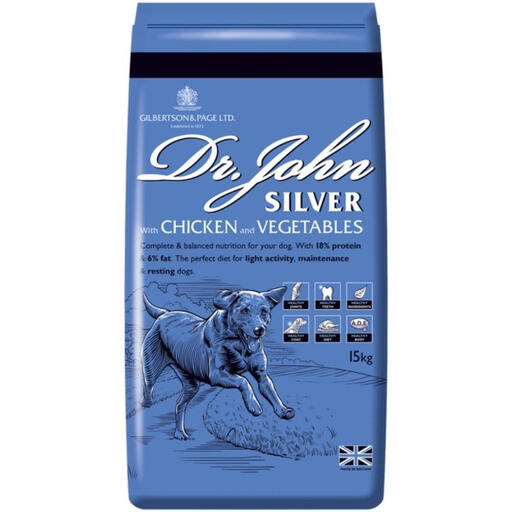
Why This Fits Their Persona: This is a no-nonsense, cost-effective option for owners of adult or senior dogs with lighter activity levels. The large 15kg bag offers excellent value, making it a practical choice for managing household budgets without compromising on a complete nutritional profile.
It is clearly labelled as a complete food, avoiding the complementary trap. It uses wholesome grains, sidestepping the unnecessary premium of a grain-free diet for dogs that don't need it.
Provides balanced nutrition with 18% protein and 6% fat, suitable for less active dogs. Includes yucca extract for joint support and has a crunchy kibble to help clean teeth.
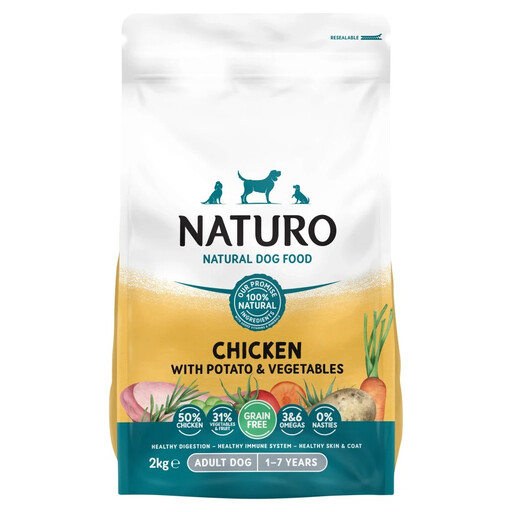
Why This Fits Their Persona: This is for the owner who actively seeks out hypoallergenic dog food and natural ingredients for a pet with a delicate stomach. They prioritise digestive health and are willing to invest in a specialised diet to ensure their dog's comfort and wellbeing.
This food is genuinely formulated for sensitivity. It's grain-free and uses a clear, high-meat-content formula (50% chicken), avoiding the "grain-free for marketing" and "vague meat content" traps.
Features 30% crude protein from a high-quality chicken source. Contains prebiotics (MOS & FOS) to support gut health and Omega 3 & 6 for skin and coat.
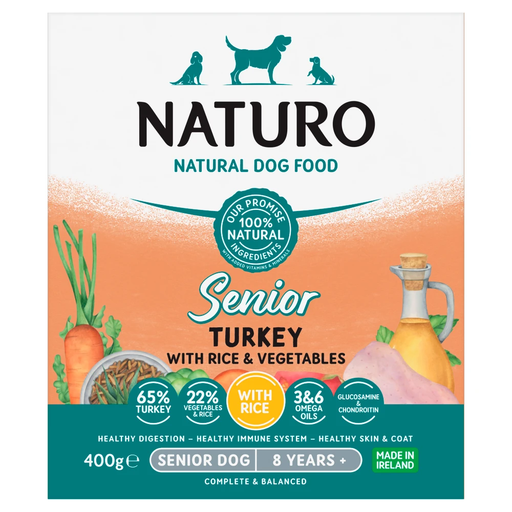
Why This Fits Their Persona: Perfect for owners of older dogs (8+ years) who may be dealing with dental sensitivity, reduced appetite or joint stiffness. This owner prioritises palatability and targeted nutritional support for their ageing companion.
This is a complete wet food specifically for seniors, not a generic adult formula. It avoids the trap of feeding a food that isn't tailored to an older dog's lower energy needs and specific health requirements.
Contains Glucosamine and Chondroitin for joint support. The soft, wet texture is easy to eat, and the high moisture content aids hydration. Made with 65% turkey for a high-quality protein source.
We have compiled a complete, real-time list of products that fully satisfy these strict selection criteria and UK safety regulations.
To avoid digestive upset, transition your dog to a new food gradually over 7-10 days. Start by mixing a small amount of the new food (around 25%) with their old food (75%). Every few days, increase the proportion of the new food while decreasing the old, until you are feeding 100% of the new diet.
Not necessarily. Price can be influenced by marketing, packaging and the inclusion of niche ingredients that may not offer a significant benefit to every dog. The most important factor is choosing a complete and balanced food with quality ingredients that suits your dog's individual age, activity level and health needs. A well-formulated affordable food can be better than a poorly formulated expensive one.
This is a crucial point for your dog's health. A "complete" food, whether wet or dry, contains all the nutrients your dog needs for a balanced daily diet. "Complementary" foods, such as natural dog treats, mixers or some single-protein wet foods, are not nutritionally balanced on their own and should only be given as part of a balanced diet, not as the main meal. Always check the label.