
24/7 Customer Support

Free returns

Same-day & Next-day Delivery

Quality Guaranteed

Unlock Your Welcome Offers: FREE Delivery | Up to 80% OFF | Free 30-day JoyPlus trial
Download the APP
Stocking your pantry with authentic dried Chinese cooking ingredients can transform your home cooking, unlocking the deep, complex flavours of traditional dishes. However, for many UK shoppers, navigating the options can be confusing. It's easy to overpay for attractively packaged goods or buy ingredients that don't deliver the flavour you expect.
As a Joybuy Product Recommendation Officer, my role is to help you see past the marketing and make informed choices. Here are some common pitfalls to be aware of and what to look for instead.
To ensure you're getting quality ingredients that will genuinely elevate your meals, focus on a few key parameters.
The appearance and smell of dried ingredients are your most reliable indicators of quality. Freshness is key, even for dried goods.
Always check the ingredient list. The simplest products are often the most versatile.
Based on these practical criteria, here are a few recommendations matched to different cooking styles and needs.
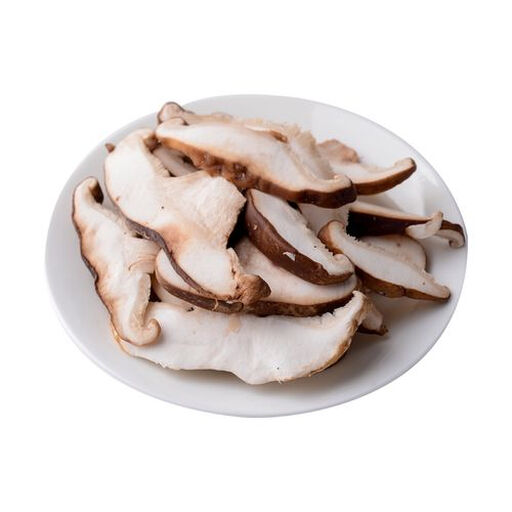
Why This Fits Their Persona: For someone building their first Asian pantry in the UK, convenience is key. These pre-sliced mushrooms eliminate a prep step and rehydrate quickly, making them perfect for weeknight stir-fries, noodle soups or braises without a long wait.
This is a practical, no-frills product. It avoids the "exotic" price trap by focusing on function and convenience over flashy branding, delivering the essential umami flavour that is the real reason for buying it.
Convenient Sliced Format: Saves time on prep and rehydrates in just 15-20 minutes.
Rich Umami Flavour: Adds a deep, savoury taste to a wide variety of dishes.
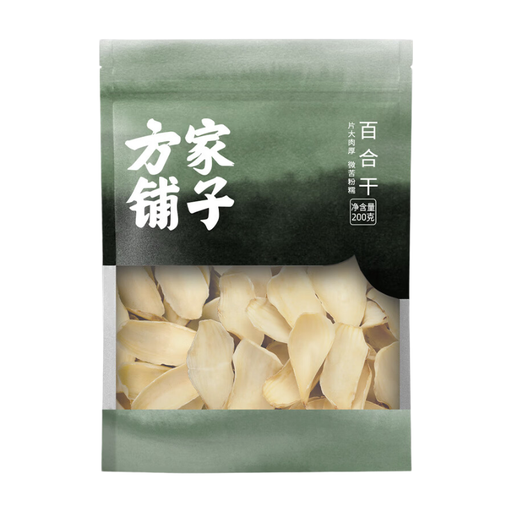
Why This Fits Their Persona: Anyone serious about making nourishing broths or traditional sweet soups (tong sui) will need high-quality individual ingredients. Dried lily bulbs are a cornerstone, prized for their subtly sweet flavour and delicate texture after cooking.
This avoids the pitfall of buying a generic, low-quality herbal mix. By purchasing a specific, quality-sourced ingredient, you gain control over your soup's flavour and ensure you're using components that haven't faded with age.
Versatile for Sweet & Savoury: Can be used in nourishing chicken broths or sweet dessert soups.
Good Quality Indicator: The brand focuses on sourcing, providing a more reliable product.
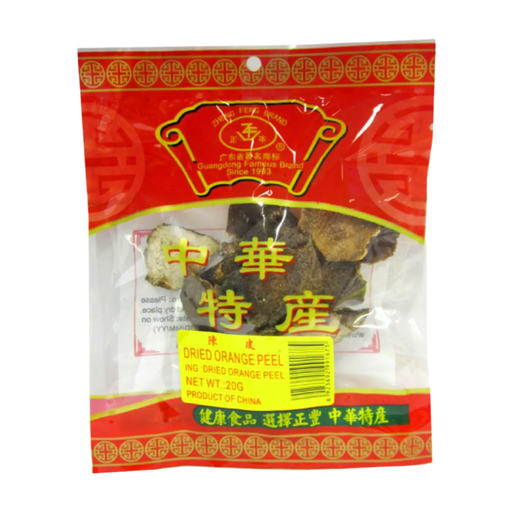
Why This Fits Their Persona: For the cook who has mastered the basics and wants to add layers of authentic flavour, dried tangerine peel (chenpi) is a must. Its unique, pungent citrus aroma is essential for classic Cantonese braised dishes, red bean soup and certain herbal teas.
This small, 20g pack is ideal. It avoids the trap of buying a large, low-quality bag that will lose its potent aroma before you can use it all. It prioritises the freshness and intensity of the flavour, which is what matters most with this ingredient.
Pungent Aroma: Adds a complex, citrusy and slightly bitter note that defines many traditional dishes.
Practical Pack Size: Ensures the peel stays aromatic and potent, preventing waste.
We have compiled a complete, real-time list of products that fully satisfy these strict selection criteria and UK safety regulations.
The key is to protect them from air, moisture and light. Once opened, transfer ingredients to airtight containers like glass jars or sealed plastic boxes. Store them in a cool, dark cupboard away from the stove or any heat source. For certain items prone to going soft or changing colour, like goji berries or red dates, storing them in the refrigerator is a good way to prolong their freshness.
It is always a good practice to give dried ingredients a quick rinse under cold running water before you begin soaking or cooking. This helps to remove any dust or debris from the drying and packing process. For most ingredients like mushrooms, fungi and many traditional Chinese herbs, this rinsing step is followed by a period of soaking to rehydrate them.
The 'best before' date on dried goods relates to quality, not safety. An ingredient past this date is unlikely to be harmful, but its flavour, aroma and colour may have faded significantly. Before using, inspect them for any signs of mould, pests or an off-smell. If they look and smell fine, they are generally usable, but you may need to use a larger quantity to achieve the desired flavour.