
24/7 Customer Support

Free returns

Same-day & Next-day Delivery

Quality Guaranteed

Unlock Your Welcome Offers: FREE Delivery | Up to 80% OFF | Free 30-day JoyPlus trial
Download the APP
From a quick weeknight supper to a leisurely Sunday lunch, dried pasta is a cornerstone of the British kitchen pantry. Yet, when you decide to buy pasta online, the sheer variety can be overwhelming. It's easy to end up with a product that turns mushy, doesn't hold your sauce or simply isn't good value for money. Before you fill your basket, let's look at the common pitfalls that can lead to a disappointing pasta night.
To ensure you get the right pasta for your needs, focus on these key parameters. They are the difference between a good meal and a great one.
The foundation of quality dried pasta is its main ingredient. For a classic texture and flavour, look for packets that state 100% Durum Wheat Semolina. Durum wheat is a 'hard' wheat variety, high in protein and gluten. This composition is what allows the pasta to cook to a firm, 'al dente' texture and hold its shape without turning mushy. It's the standard for authentic Italian pasta.
For those seeking a higher-fibre option, wholewheat pasta is an excellent choice. Made from the entire wheat kernel, it offers a nuttier flavour and a more robust, chewier texture. It's a simple switch for anyone looking to add more fibre to their family's diet.
This refers to the mould, or 'die', used to shape the pasta.
The shape of the pasta dictates its function. Here’s a simple guide for popular types:
Here are a few options that align with different household needs, helping you avoid the common buying traps.
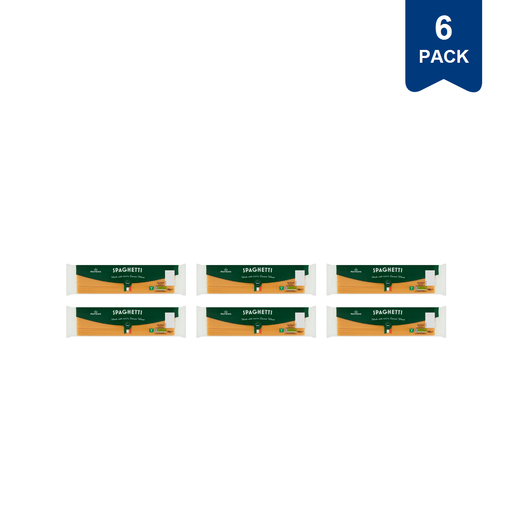
Why This Fits Their Persona: For busy households, value and a well-stocked pantry are key. This bulk pasta pack of spaghetti offers a versatile, crowd-pleasing shape that works for everything from bolognese to a simple carbonara, ensuring you're always ready for a quick family meal.
It avoids the shape-sauce mismatch by providing a universally adaptable shape. Made with 100% durum wheat, it guarantees a reliable texture without the premium price of niche artisan brands.
Excellent value for money when buying in bulk. Consistently achieves a good 'al dente' texture, making it a dependable pantry staple.
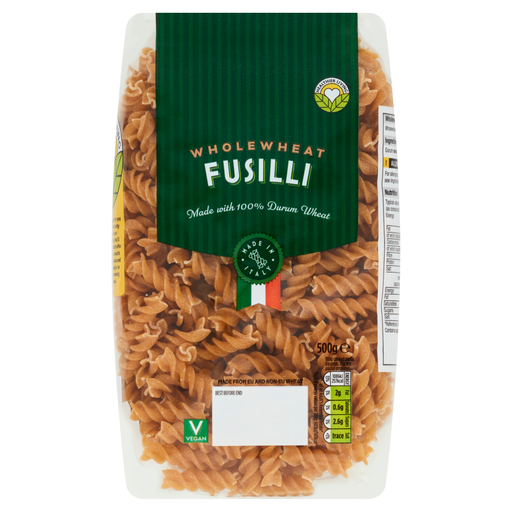
Why This Fits Their Persona: This user prioritises nutritional benefits like higher fibre content. This wholewheat pasta provides that, along with a satisfyingly nutty flavour and firm texture that stands up well to cooking.
It correctly matches shape to purpose. The fusilli spirals are excellent for catching the healthy, vegetable-packed sauces this user might favour. It focuses on the core ingredient—durum wholewheat semolina—for tangible nutritional benefit.
A clear source of dietary fibre. The robust texture and shape make it very versatile for both hot dishes and cold pasta salads.
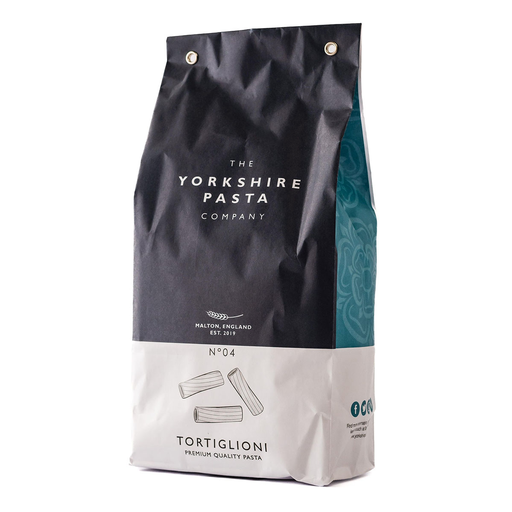
Why This Fits Their Persona: This home cook appreciates provenance and superior texture. This UK-made pasta uses locally milled flour and traditional methods to create a product where the pasta itself is a star ingredient, not just a carrier for sauce.
It justifies its premium positioning. This is a bronze-drawn pasta, delivering the porous texture that avoids the "artisan trap" by providing a tangible benefit: exceptional sauce cling for rich, flavourful dishes.
Superior texture and flavour from slow-drying and bronze-die extrusion. Supports a British producer using locally milled wheat.
We have compiled a complete, real-time list of products that fully satisfy these strict selection criteria and UK safety regulations.
A widely accepted guideline for a main course is 75g to 100g of dried pasta per person. For a lighter meal or a starter, 50g to 60g is usually sufficient. Always check the packaging, as some brands provide specific portion advice.
This refers to the traditional method of extruding pasta dough through dies made of bronze. This process imparts a rough, porous texture to the pasta's surface. The key benefit for the home cook is that this rough surface grips sauce far more effectively than the smoother surface of pasta made with modern Teflon dies, leading to a more flavourful and integrated dish.
For households that consume pasta regularly, buying bulk pasta can be very cost-effective. Multi-packs, like the 6-pack of spaghetti mentioned above, often have a lower price per unit compared to buying single packets. It also ensures your pantry is always stocked for a quick and easy meal, saving you from last-minute trips to the shop.