
24/7 Customer Support

Free returns

Same-day & Next-day Delivery

Quality Guaranteed

Unlock Your Welcome Offers: FREE Delivery | Up to 80% OFF | Free 30-day JoyPlus trial
Download the APP
From the daily necessity of fresh free range eggs to the nostalgic comfort of a rich salted duck egg yolk, eggs are a cornerstone of many cuisines. For those seeking authentic East and Southeast Asian flavours in the UK, or for adventurous cooks looking to expand their pantry, the online market for eggs and egg products offers incredible variety. However, navigating this market can be tricky. As a Joybuy Product Recommendation Officer, my role is to help you sidestep common purchasing mistakes and find quality products that meet your needs.
Many shoppers find themselves disappointed when an online purchase doesn't live up to expectations. Here are a few common pitfalls to watch out for:
salted duck eggs expecting a rich, oily yolk perfect for congee, but end up with a dry, chalky centre. Or, a snack labelled as an egg yolk pastry has a barely-there filling that lacks the savoury punch you were hoping for. This often happens when modern, cost-cutting production methods replace traditional techniques.buy eggs online UK, especially fresh ones, ensuring they arrive in good condition is a primary concern. For preserved items like century eggs or tea eggs, it can be difficult to judge quality from a picture, and improper storage can affect their delicate flavour and texture.liu sha bao, only to discover it's frozen and requires steaming, or that your tea eggs are actually a spice packet requiring you to do all the work.By paying attention to a few key details, you can shop with much greater confidence.
To avoid the traps above, focus on these three areas before adding an item to your basket. This isn't about becoming an expert, but about knowing what to look for on the product page.
The flavour and texture of products like salted duck eggs and preserved duck eggs are defined by how they are made.
century egg should have a firm, jelly-like white with a dark, creamy yolk. The product description may not detail the entire process, but reputable brands focus on achieving this specific texture.Labels provide a wealth of information if you know where to look.
free range eggs, look for key UK quality marks. The British Lion Quality Mark is a food safety guarantee, indicating the hens are vaccinated against Salmonella. The RSPCA Assured logo signifies that the hens are raised according to strict welfare standards.egg yolk pastry or Chinese egg rolls, check the ingredient list for allergens. More importantly, look for the Quantitative Ingredient Declaration (QUID). This tells you the percentage of key ingredients, such as "Salted Egg Yolk 2%". This helps you manage expectations about the flavour intensity.This is a simple but crucial check. Product descriptions should clearly state whether an item can be consumed straight from the packet or if it needs cooking.
quail eggs, many Chinese egg rolls and some packaged tea eggs are designed for immediate consumption.liu sha bao (salted egg custard buns) will need steaming. Spice packs for making your own tea eggs also fall into this category. Always check the "Usage Instructions" section.To make things easier, here are a few products matched to different needs, all of which provide the clear information needed to make a good choice.
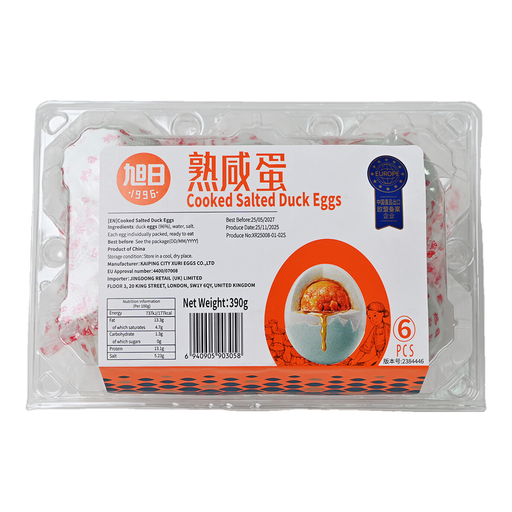
Why This Fits Their Persona: This is for someone who wants the authentic, rich and oily yolk from a salted duck egg to pair with congee or use in classic dishes. They value traditional flavour profiles over generic saltiness.
It directly counters the "authenticity disappointment" by specifying its use of a century-old "straw ash" brining technique, a hallmark of quality that aims for a savoury, oily yolk.
EU-certified for export, ensuring it meets safety standards. The traditional method delivers a tender egg white and the desired sandy, aromatic yolk.
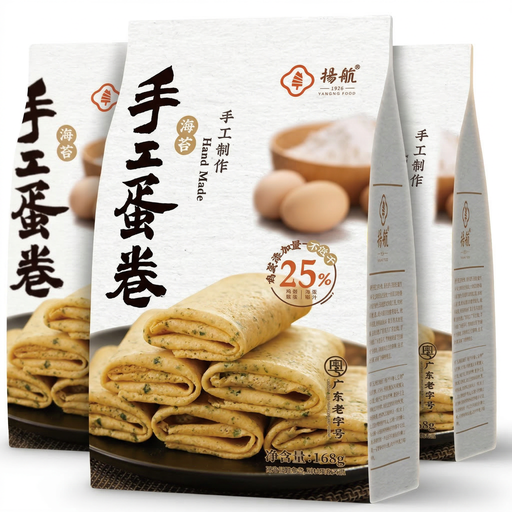
Why This Fits Their Persona: Ideal for students or professionals in the UK looking for a light, authentic and ready-to-eat snack. It's a classic treat that requires no preparation and pairs well with a cup of tea.
It avoids confusion by being clearly labelled as ready-to-eat. The QUID (seaweed ≥1%) provides transparency about the flavouring, setting a clear expectation for its subtle, savoury taste.
Handcrafted for a light, crispy texture that is often missing in mass-produced versions. The seaweed offers a pleasant, savoury twist on the classic egg roll.
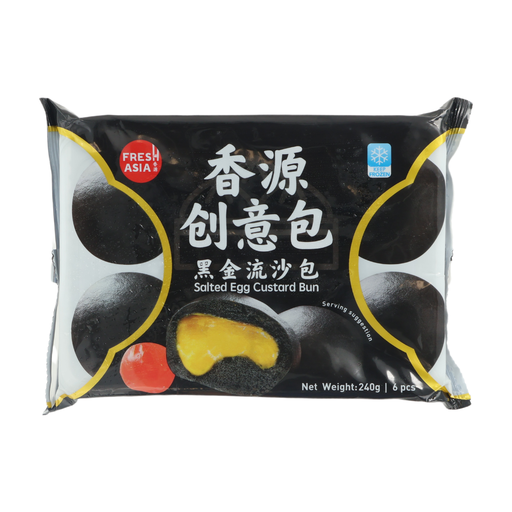
Why This Fits Their Persona: This is for someone who wants to recreate an authentic dim sum experience at home. They are looking for the indulgent, flowing ("liu sha") salted egg yolk custard filling in a quality bun.
It avoids the "preparation confusion" trap by clearly stating it is a frozen product that requires steaming for 10-12 minutes. This ensures the user achieves the intended hot, flowing centre.
Offers a premium experience with its black bamboo charcoal buns and rich custard. The clear instructions help deliver a consistent, restaurant-quality result at home.
We have compiled a complete, real-time list of products that fully satisfy these strict selection criteria and UK safety regulations.
While unopened preserved duck eggs can be stored in a cool, dry place, once you open the vacuum-sealed package or peel an egg, it's advisable to store any leftovers in the fridge. Place them in an airtight container and consume them within a day or two to maintain their texture and flavour.
A fresh chicken egg has a mild flavour and is incredibly versatile. A salted duck egg is a preserved product with a very different profile. Its white is firm and intensely salty, while the yolk is rich, dense and savoury—often with an oily texture. They are not typically used for frying or scrambling on their own but are instead used as a flavouring agent or side dish, most famously served with rice congee or used in fillings for mooncakes and zongzi.
Yes, it is generally safe, provided you buy from a reputable retailer with a reliable delivery network. Look for product pages that specify the eggs are Class A and carry certifications like the British Lion Quality Mark and RSPCA Assured. These marks ensure the eggs meet UK food safety and animal welfare standards. Good packaging and prompt delivery are key to receiving them intact.