
24/7 Customer Support

Free returns

Same-day & Next-day Delivery

Quality Guaranteed

Unlock Your Welcome Offers: FREE Delivery | Up to 80% OFF | Free 30-day JoyPlus trial
Download the APP
Navigating the olive oil aisle can feel overwhelming. With shelves lined with bottles of varying shapes, sizes and origins, it is easy to fall into common traps that lead to a disappointing purchase. A premium price tag does not always guarantee quality, and many home cooks find themselves with an oil that does not suit their needs. As your Joybuy Product Recommendation Officer, my role is to help you understand the key differences so you can confidently buy olive oil online that enhances your meals.
Before you add a bottle to your basket, be aware of these frequent pitfalls:
To avoid these issues, focus on a few core parameters. Understanding these will help you select a high-quality extra virgin olive oil that delivers on its promise of flavour and freshness.
Authentic extra virgin olive oil is defined by two key factors. First, it must be extracted solely by mechanical means, without the use of chemicals or excessive heat. The term cold pressed olive oil (or cold extraction) indicates that the temperature during processing was kept low, preserving the oil's delicate flavours, aromas and nutritional compounds. Second, it must have a very low level of free fatty acids (typically below 0.8%). This combination results in a superior product, distinct from refined "olive oil" or "light olive oil".
An oil's origin significantly influences its flavour. A classic Italian olive oil from Tuscany might have grassy, peppery notes, while an oil from Puglia could be softer and more buttery. To guarantee authenticity, look for certifications like PDO (Protected Designation of Origin) or PGI (Protected Geographical Indication). A PDO label, for example, certifies that the oil was produced, processed and prepared in a specific geographical area using traditional methods. This is a strong indicator of a premium olive oil with a traceable provenance. If you are looking for a specific flavour profile, whether for olive oil for cooking or olive oil for salads, a single-origin or PDO oil is a reliable choice.
Always opt for olive oil packaged in dark glass, a tin or an opaque ceramic bottle. These materials protect the oil from light, preventing oxidation and preserving its freshness from the grove to your table. The seal should also be secure to prevent air from entering the bottle. This simple check is one of the easiest ways to filter for quality.
To help you find the right match for your kitchen, here are several recommendations tailored to different needs and preferences.

Why This Fits Their Persona: This is a reliable, all-purpose oil for the busy UK family kitchen. Its balanced, fruity flavour works well for everything from making salad dressings and marinades to light sautéing, making it a versatile pantry staple. The 1-litre tin offers good value for frequent use.
It avoids the clear bottle trap by being packaged in a large, light-proof tin, which is ideal for preserving freshness. It also avoids the one-size-fits-all issue by being a well-balanced blend suitable for multiple cooking applications.
Versatile flavour profile suitable for both cooking and finishing. The large tin format offers excellent value and protection from light.
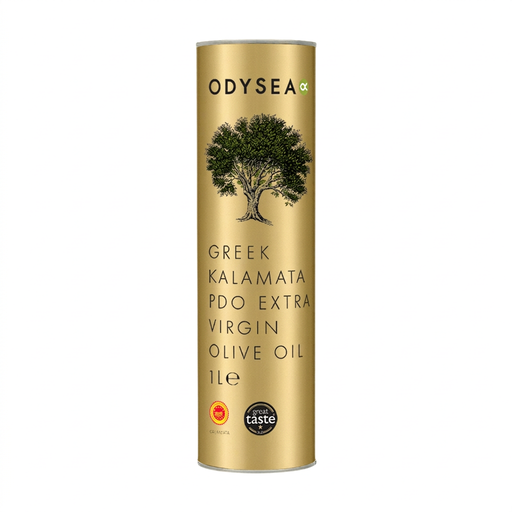
Why This Fits Their Persona: For the food enthusiast who appreciates authenticity, this oil's PDO Kalamata status is a guarantee of origin and quality. Made from Koroneiki olives, it has a robust, herbaceous flavour with a peppery finish, making it an excellent finishing oil for drizzling over dishes to add a distinct character.
It directly counters the "Extra Virgin" mirage by offering a PDO-certified, single-origin product. You know exactly where the olives are from (Kalamata, Greece) and the variety (Koroneiki), ensuring a consistent and authentic flavour profile.
PDO status guarantees authenticity and quality. It has a complex, full-bodied flavour ideal for dipping and finishing.
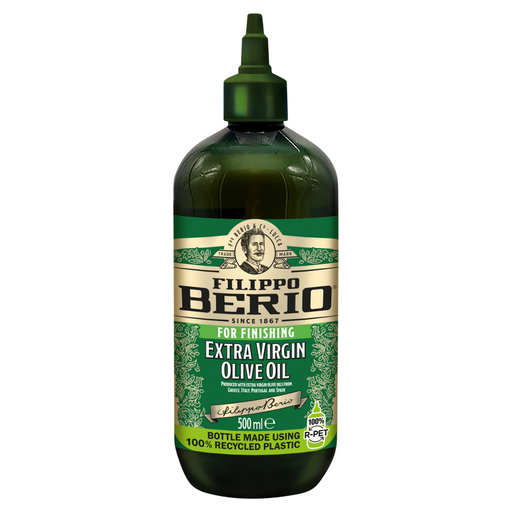
Why This Fits Their Persona: For the modern cook who values practicality, this innovative squeeze bottle is a game-changer. It allows for precise, mess-free drizzling and portion control, whether dressing a salad or finishing a pasta dish. It combines the quality of a trusted brand with unparalleled ease of use.
While the bottle is plastic, it is opaque, protecting the oil from light degradation. It addresses the flavour mismatch pitfall by providing a tool for controlled application, ensuring you drizzle rather than drench your food, preserving the balance of your dish.
The innovative squeeze bottle offers mess-free, precise portion control. The oil itself is a versatile, quality extra virgin olive oil suitable for daily use.
We have compiled a complete, real-time list of products that fully satisfy these strict selection criteria and UK safety regulations.
Yes, you can. This is a common misconception. While delicate, expensive finishing oils are best used cold, a good quality, everyday extra virgin olive oil has a smoke point of around 190-210°C. This makes it perfectly suitable for most home cooking methods, including sautéing, roasting and baking. It is generally not recommended for deep-frying, where a neutral oil with a higher smoke point would be more appropriate.
To maintain its flavour and freshness, you should store your olive oil in a cool, dark place, away from the hob and direct sunlight. A kitchen cupboard or pantry is ideal. Always ensure the cap is tightly sealed after use to minimise exposure to oxygen, which can cause the oil to go rancid. Do not store it in the refrigerator, as this can cause it to solidify and may affect its texture.
PDO stands for Protected Designation of Origin. It is a European Union certification that guarantees a product's quality and authenticity. For an olive oil to receive PDO status, it must be produced, processed and prepared entirely within a specific geographical region using recognised, traditional methods. It is one of the strongest assurances that you are buying a genuine product with a distinct regional character, such as a Kalamata or a Puglian oil.