
24/7 Customer Support

Free returns

Same-day & Next-day Delivery

Quality Guaranteed

Unlock Your Welcome Offers: FREE Delivery | Up to 80% OFF | Free 30-day JoyPlus trial
Download the APP
As a Joybuy Product Recommendation Officer, my role is to help you navigate the crowded aisles of online grocery shopping. When it comes to staples like fish balls, the choice can be surprisingly complex. A key ingredient in everything from a comforting bowl of noodle soup to a lively weekend hot pot, the right fish ball can make a dish. The wrong one, however, can be a real disappointment. Let's look at how to choose wisely and avoid common purchasing mistakes.
The main frustration for many buyers is a simple one: texture. You expect a springy, bouncy ball with a delicate seafood flavour, but end up with a dense, floury lump. This often comes down to a couple of key issues that are easy to overlook when you buy fish balls online.
To ensure you get the quality and type you need, focus on these two non-negotiable points on the product description before adding to your basket.
Always check the ingredients list for the Quantitative Ingredient Declaration (QUID). This tells you the percentage of the main ingredient—in this case, fish. A higher percentage, often above 50%, generally points to a better quality product with the desired springy texture and authentic flavour. Products specifying the type of fish, such as Japanese Threadfin Bream or Silver Carp, also tend to be more carefully produced than those listing only "fish paste".
Understanding the different styles of Asian fish balls is key to matching them with your cooking plans.
Based on these practical criteria, here are a few options tailored to different needs and cooking styles.
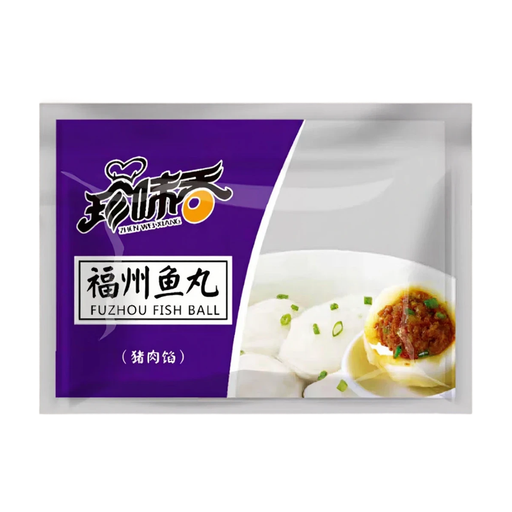
Why This Fits Their Persona: For the home cook dedicated to recreating traditional Fujianese dishes, these Fuzhou fish balls deliver the specific experience of a tender fish paste exterior giving way to a juicy, seasoned pork centre.
This is a genuine filled fish ball, not a plain one mislabelled as "Fuzhou style". The 40% silver carp content ensures a proper fish flavour, avoiding the starch-heavy trap.
Offers an authentic two-in-one texture and flavour experience that is difficult to replicate at home. Perfect for clear broths where its flavour can shine.
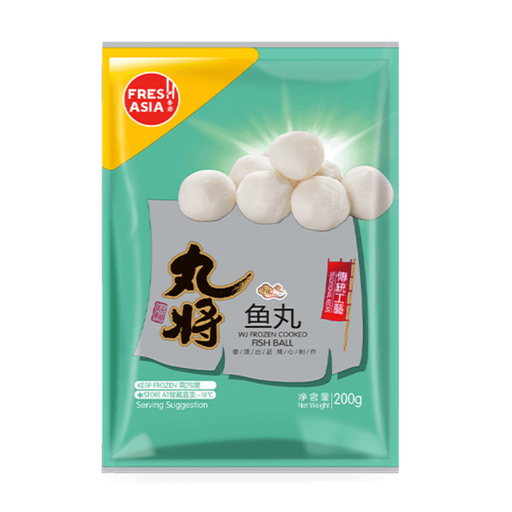
Why This Fits Their Persona: For those who prioritise ingredient quality above all, this product's high fish content is its main selling point. It's for the cook who wants a pure, unadulterated fish ball as a base for their culinary creations.
With an impressive 77% fish content (Japanese Threadfin Bream), this product directly counters the "starchy filler" trap, guaranteeing a superior bouncy texture and rich seafood flavour.
The exceptionally high fish percentage delivers a premium, springy "Q" texture that holds up well in soups and hot pots without becoming mushy.
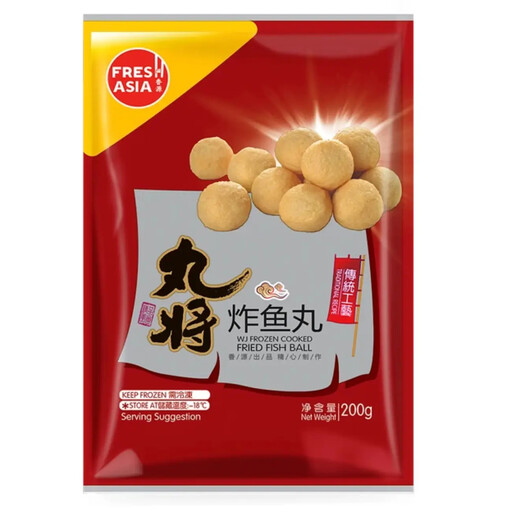
Why This Fits Their Persona: Perfect for those needing a fast and satisfying snack or appetiser. These are designed for quick reheating, delivering a crispy exterior and tender interior with minimal effort, ideal for after-school snacks or party food.
This avoids the "one-size-fits-all" issue by being specifically made for frying. Its formulation ensures it crisps up nicely rather than becoming tough or oily, which can happen when frying plain, boiled-style fish balls.
Convenience is key. Being pre-fried, they are ready in minutes in an air fryer, oven or pan, providing a satisfyingly crispy texture that plain fish balls cannot achieve as easily.
We have compiled a complete, real-time list of products that fully satisfy these strict selection criteria and UK safety regulations.
No, it is generally not recommended. Cooking frozen fish balls directly from frozen helps them retain their signature bouncy texture. Thawing can cause them to lose moisture and become soft or mushy. For soups and hot pot, simply add them directly to the simmering broth.
For hot pot, add the frozen fish balls directly into your boiling soup base. They are typically cooked once they float to the surface, which usually takes about 3-5 minutes depending on their size. Be careful not to overcook them, as they can become too soft.
The most reliable indicator is the fish content percentage on the ingredients list—look for products with over 50% fish. Additionally, a shorter, more recognisable ingredient list is often a good sign. After cooking, a good quality fish ball should be springy and resilient to the bite, not soft or crumbly.