
24/7 Customer Support

Free returns

Same-day & Next-day Delivery

Quality Guaranteed

Unlock Your Welcome Offers: FREE Delivery | Up to 80% OFF | Free 30-day JoyPlus trial
Download the APP
Navigating the world of online seafood can feel like a gamble. With promises of "freshness" and quality, it's easy to end up with a disappointing delivery. As a Joybuy Product Recommendation Officer, my role is to help you see past the marketing jargon and make informed choices. This guide will walk you through the common traps to avoid and the key factors to check before you add anything to your basket, ensuring you get quality fish delivered to your door.
Many shoppers are drawn in by appealing photos, only to be let down by the actual product. Here are the three most common issues UK consumers face and how to sidestep them.
frozen fish fillets is the discrepancy between the advertised weight and the actual amount of fish you receive. This is due to "glazing," a layer of ice applied to protect the fish from freezer burn. While a protective glaze (around 10-20%) is standard practice, some suppliers use excessive glazing (up to 40% or more), meaning a large portion of what you pay for is simply frozen water.wild caught fish or farmed) or the specific grade (e.g., sashimi grade tuna), you are buying based on trust rather than transparent facts.To ensure you get what you pay for, focus on these three non-negotiable parameters.
The format of the fish dictates its convenience, shelf life and best use.
cod fillets or sea bass fillets.canned fish like mackerel in tomato sauce or anchovies is cooked and ready to eat. It's convenient, affordable and a great source of protein and Omega-3s. The quality here depends on the fish itself and the ingredients it's packed in (e.g., olive oil vs. brine).seafood delivery UK service.The cut affects both cooking and preparation time.
A reputable online fishmonger will provide clear details. Look for:
wild caught fish.Based on these practical criteria, here are a few selections matched to different household needs.
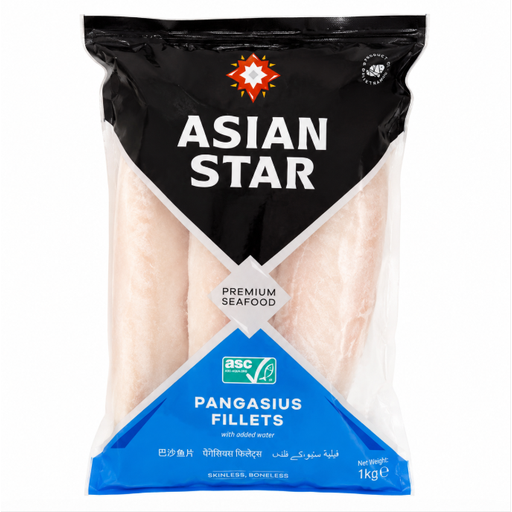
Why This Fits Their Persona: This large, economical pack of boneless, skinless fillets is a lifesaver for busy families. The mild flavour makes it incredibly versatile for everything from a simple bake to curries or stir-fries, pleasing even picky eaters.
It directly tackles the "paying for ice" pitfall by clearly stating the gross weight (1kg) and net weight (800g). This transparency about the 20% protective glaze means you know exactly how much fish you are buying.
The fillets are individually glazed, which helps maintain moisture and prevents them from sticking together in the freezer. The firm texture holds up well during cooking and doesn't fall apart easily.
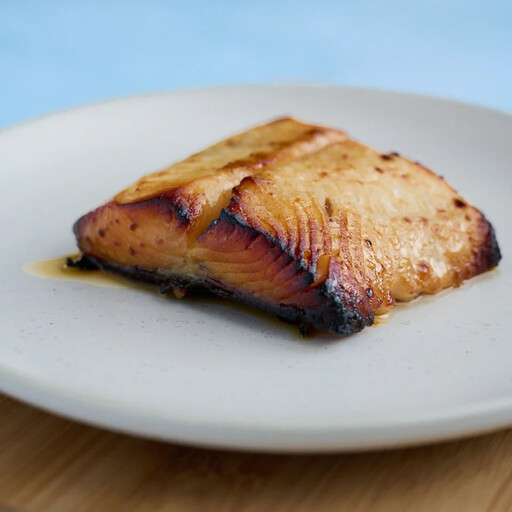
Why This Fits Their Persona: For the home cook looking to create a truly special, restaurant-quality dish. This pre-marinated black cod (sablefish) delivers an iconic, umami-rich flavour with a buttery texture that melts in the mouth.
This product counters vague sourcing claims with specifics. It states the fish is Black Cod (Sablefish) from MSC certified Alaskan fisheries, and details that it has been marinated for 72 hours, providing clear quality markers.
The complex preparation is done for you. All that's required is to defrost and grill or pan-fry, making a high-end meal accessible for a weekend dinner without the hassle of sourcing ingredients and marinating.
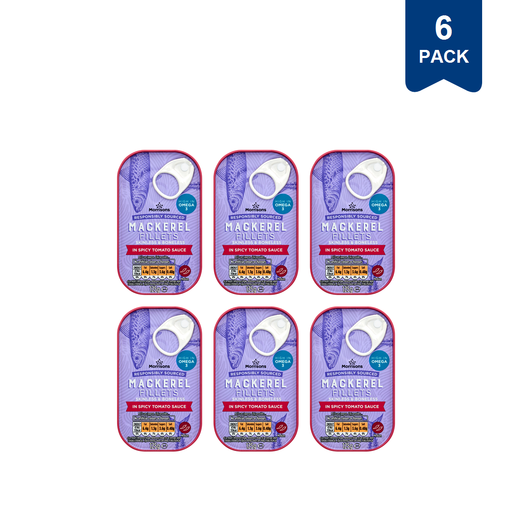
Why This Fits Their Persona: Ideal for those who value convenience and nutrition. This multi-pack of `canned fish` is a perfect, long-lasting pantry item for quick lunches, whether on toast, in a salad or stirred through pasta.
This product completely bypasses the "freshness" illusion. As a canned good, its quality is defined by its processing and ingredients, not a short shelf-life. The "Responsibly Sourced" claim is backed by a clear ingredients list and nutritional information.
It's a convenient source of protein and Omega-3. The fillets are skinless and boneless, removing any prep work, and the spicy tomato sauce provides a ready-made flavour base for a simple, healthy meal.
We have compiled a complete, real-time list of products that fully satisfy these strict selection criteria and UK safety regulations.
Yes, it is generally safe, provided you buy from a reputable retailer. Established online sellers use specialised insulated packaging with ice packs and rely on rapid seafood delivery UK couriers to ensure the cold chain is maintained from their facility to your doorstep. Always check the seller's delivery policy and ensure you are home to receive the order and refrigerate or freeze it immediately.
Good quality frozen fish should be solid with no soft spots. The packaging should be sealed and intact. A key thing to check is for freezer burn – this appears as white, dry patches on the fish itself. A thin, even layer of ice (the protective glaze) is normal, but large, dense ice crystals on the surface of the fish can indicate it has partially thawed and been refrozen, which can harm the texture.
Wild caught fish are harvested from their natural habitats like oceans, rivers and lakes. Their diet is natural, which can result in a more complex flavour and leaner texture. Farmed fish are raised in controlled environments like pens or tanks. This allows for a more consistent supply and often a higher fat content. Both methods can produce high-quality fish; the key is to look for signs of responsible management, such as an MSC logo for wild fish or an ASC logo for farmed fish.