
24/7 Customer Support

Free returns

Same-day & Next-day Delivery

Quality Guaranteed

Unlock Your Welcome Offers: FREE Delivery | Up to 80% OFF | Free 30-day JoyPlus trial
Download the APP
Navigating the world of online groceries can be tricky, especially when it comes to buying fish & seafood products. From flavourful tinned fish for a quick lunch to the perfect fish sauce for an authentic curry, the choices are vast. However, not all products deliver on their promises. Many home cooks in the UK find themselves with pantry items that are either bland, overly salty or simply not right for the dish they intended.
As the Joybuy Product Recommendation Officer, my role is to help you see past the marketing jargon. Let's look at some common pitfalls when shopping for seafood products and how to choose items that will genuinely elevate your home cooking.
To ensure you get value and flavour, focus on these core parameters. They are the details that separate a great pantry staple from a disappointing purchase.
The most reliable indicator of quality is the ingredient list. For a fish sauce, look for anchovy or fish extract listed as the primary ingredient. For a high-quality soy sauce, check for non-GMO soybeans and a natural brewing process. The higher the percentage of the core ingredient (e.g., mackerel in tinned fish), the more likely you are getting what you paid for. This simple check helps you sidestep products that are mostly water, sugar and artificial flavourings.
Understand the difference between product types to ensure they fit your culinary needs:
Pay close attention to the salt content, usually listed as "Salt per 100g/ml". Some sauces, particularly fish sauces and certain soy sauces, are inherently high in sodium and should be used sparingly. If you are monitoring your intake of additives, look for flavour enhancers like E621 (monosodium glutamate) on the label.
To help you choose, here are a few products that align with different needs and cooking habits, selected based on their clear ingredients and specific culinary purpose.
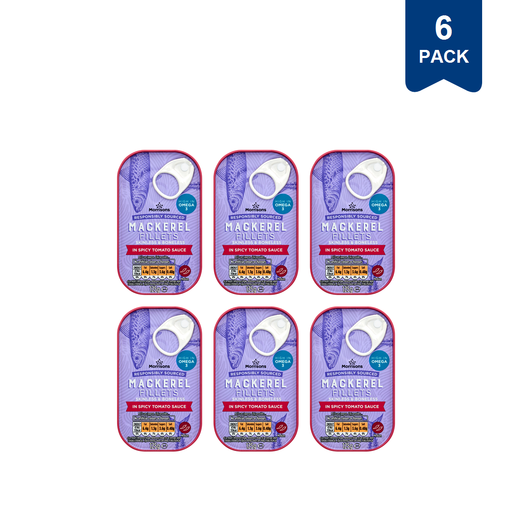
Why This Fits Their Persona: For busy individuals and families in the UK, having a reliable pantry staple is key. This multipack of mackerel fillets is perfect for a quick, nutritious lunch on toast or stirred into pasta for an effortless dinner.
It avoids the "mystery sauce" pitfall with a clear ingredient list where mackerel (56%) is the star, supported by a simple, flavourful tomato and spice blend. No artificial colours or flavours.
High in Omega 3 and comes as skinless, boneless fillets, offering maximum convenience with no prep required. The multipack format is economical for regular use.
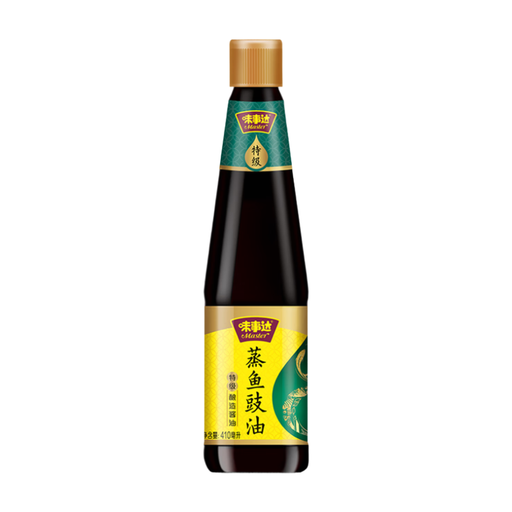
Why This Fits Their Persona: This user wants to create authentic East Asian dishes, like Cantonese steamed fish, that taste just right. They know a generic soy sauce won't cut it and are looking for a purpose-made product to achieve that restaurant-quality flavour at home.
It directly counters the "one-size-fits-all" sauce trap. This is not just soy sauce; it's a specially crafted blend with eight natural spices, designed to complement the delicate freshness of seafood without overpowering it.
Made with non-GMO defatted soybeans, it provides a complex aroma and balanced sweet-savoury taste. It's a ready-to-use solution for a classic dish, removing the guesswork.

Why This Fits Their Persona: This home cook follows a plant-based diet but doesn't want to miss out on the essential umami flavour in Southeast Asian cooking. They need a reliable, ethical alternative to traditional fish sauce for their curries, stir-fries and dipping sauces.
It solves a common problem for vegan cooks by providing a direct, high-quality substitute, avoiding the need to experiment with less effective alternatives. The ingredients are clearly plant-based (soybean protein).
It successfully mimics the salty, pungent and savoury flavour profile of traditional fish sauce using plant-based ingredients. This makes it a versatile and indispensable pantry staple for authentic vegan Thai cooking.
We have compiled a complete, real-time list of products that fully satisfy these strict selection criteria and UK safety regulations.
1. How should I store fish sauce and soy sauce for steamed fish after opening? Most soy sauces and fish sauces are high in salt, which acts as a natural preservative. While many can be stored in a cool, dark cupboard, refrigeration is generally recommended after opening. This helps to preserve their flavour and quality for longer, especially for premium or lower-sodium varieties. Always check the storage instructions on the bottle.
2. Can I use a dry fish seasoning on frozen seafood products? Yes, you can. For the seasoning to adhere well, it's a good idea to first pat the defrosted seafood dry with a paper towel, then lightly coat it with oil before sprinkling the fish seasoning on. This helps create a flavourful crust whether you are baking, grilling or pan-frying your frozen seafood products.
3. What is the difference between a Thai-style fish sauce and a Caribbean fish & meat sauce? While both add savoury depth, they are culinarily distinct. Thai fish sauce is typically made from fermented anchovies and salt, delivering a pure, pungent umami and saltiness essential for Southeast Asian cuisine. A Caribbean-style sauce, like Grace Fish & Meat Sauce, is usually a soy sauce base blended with a unique mix of spices, sugar and sometimes caramel colouring, offering a more complex, savoury-sweet flavour profile suited for stews, gravies and marinades in Caribbean cooking.