
24/7 Customer Support

Free returns

Same-day & Next-day Delivery

Quality Guaranteed

Unlock Your Welcome Offers: FREE Delivery | Up to 80% OFF | Free 30-day JoyPlus trial
Download the APP
Buying fish and seafood online can make weekday meals easier, but product pages do not always make comparisons straightforward. A large-looking frozen pack may include a significant ice glaze, while a small tin can contain more usable protein than expected. Oil-packed products may also have a different calorie and fat profile from fish packed in springwater.
The most useful approach is to compare the information behind the marketing: drained or net weight, storage requirements, ingredients, allergens and preparation instructions. This guide explains the main buying pitfalls and highlights suitable choices for different UK households.
A frozen seafood pack may show a total weight that includes water or protective ice glaze. For example, a 1kg pangasius pack may contain 800g of fish, with the remainder made up of ice. This does not necessarily make the product unsuitable, but it affects the real cost per serving.
For fair comparisons, check:
Tinned fish and some chilled pots can be eaten without cooking, whereas frozen fillets, seasoned fish and raw frozen seafood require thorough cooking. Read the usage instructions carefully. Products such as snakehead fillets, tilapia and king fish slices are not ready-to-eat fish simply because they are pre-cut.
Terms such as “lean”, “natural” or “high-protein seafood” are less useful than the figures per 100g. Compare protein, fat, saturates, salt and energy, and note whether the values apply to the drained fish or the product as sold.
For example, tuna in springwater listed in the supplied product information provides 25g of protein and 0.7g of fat per 100g drained. Tuna in sunflower oil also provides 25g of protein but lists 15g of fat per 100g drained. The oil may suit a richer salad or sandwich, while springwater may be easier to include in lighter meals.
For tinned fish, compare the net quantity with the drained weight where available. Oil, springwater or sauce contributes to the pack weight but may not represent the amount of fish you will eat.
Multi-packs can be practical for lunch preparation. John West Tuna Chunks in Springwater comes as four 125g tins, while Princes Tuna Chunks in Sunflower Oil is supplied as four 145g tins. Consider how many portions your household uses each week and whether opened leftovers can be refrigerated safely.
Ambient tins should be stored in a cool, dry place. Once opened, transfer unused contents to a non-metallic container, refrigerate and generally consume within two days, following the label instructions.
Frozen fish and frozen seafood should normally be kept at -18°C or below. Do not refreeze after thawing unless the packaging specifically permits it. If ordering several frozen items online, make sure there is sufficient freezer space before delivery and put the products away promptly.
Fish is a regulated allergen in the UK, and some products also contain soya, wheat, barley, egg, starches or seasoning blends. Read the full ingredients list if you have an allergy or are cooking for someone who does.
Also check whether the product is:
This is particularly important when buying Asian seafood for hot pot, curries, stir-fries or rice dishes. A seasoned product may save preparation time, but it will not offer the same flexibility as plain frozen fish fillets.

Why This Fits Their Persona: Four individual tins provide a convenient cupboard option for sandwiches, salads, pasta and packed lunches without requiring freezer space.
The pack states drained nutrition and a 500g total quantity, making portion planning clearer than relying on the outer pack size alone.
Springwater packing; 25g protein per 100g drained; suitable for quick meals.
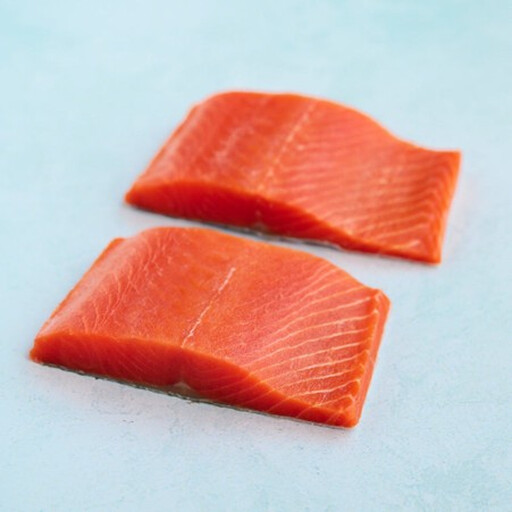
Why This Fits Their Persona: Two skin-on salmon fillet steaks suit a planned dinner where distinct portions and a firm texture are important.
The listing identifies the pack as two 220g skin-on fillet steaks and gives freezer and thawing guidance.
Single-ingredient salmon; suitable for baking, grilling or pan-searing.
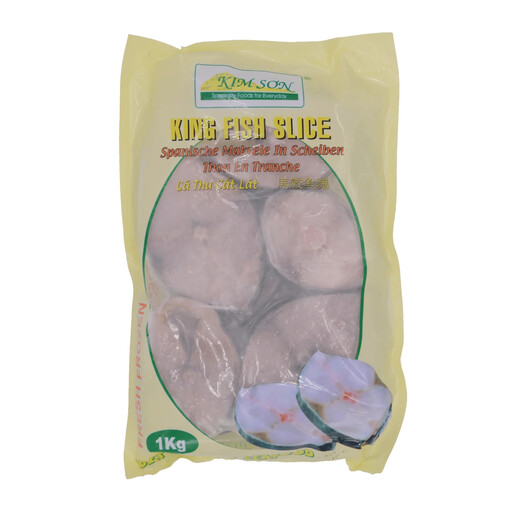
Why This Fits Their Persona: The 1kg frozen format is suited to families, batch cooking and Asian dishes such as stews, curries and pan-fried fish.
The product is clearly identified as raw frozen fish, with instructions not to refreeze after thawing.
Pre-sliced format; 1kg quantity; suitable for grilling, baking and braising.
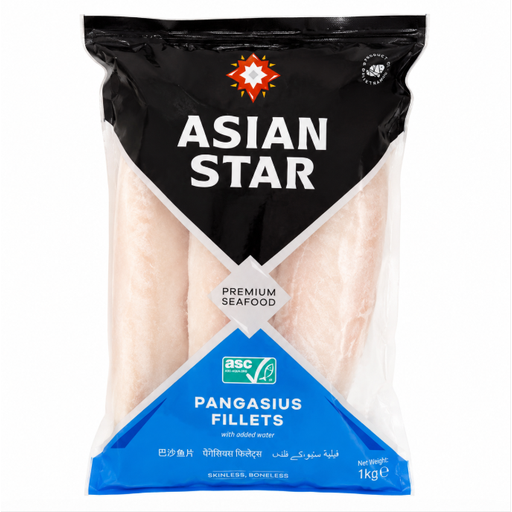
Why This Fits Their Persona: Skinless, boneless pangasius is convenient for stir-fries, curries, soups and strongly seasoned recipes.
The listing separates the 1kg pack size from the 800g net fish weight and identifies a 20% ice glaze.
Skinless and boneless; mild flavour; 11g protein per 100g according to the listed nutrition.
We have compiled a complete, real-time list of products that fully satisfy these strict selection criteria and UK safety regulations.
Tinned fish can cover quick lunches, while frozen salmon fillets and pangasius fillets are useful for planned evening meals. Mackerel, sardines and salmon provide labelled omega-3 values on some product pages, but check the nutrition panel rather than assuming every product has the same amount.
For wider freezer shopping, you can also compare halal frozen chicken, beef and other products when ordering frozen meat online. Check certification, allergens, cooking temperatures and whether the item is raw or pre-cooked. A halal-certified chicken fillet product may still contain wheat or egg in its coating, so certification does not replace ingredient checking.
It can be practical when buying multi-packs or larger frozen quantities, but compare the price per 100g of drained or net fish. Delivery charges, ice glaze and unused leftovers can change the final value.
Follow the best-before guidance on the packaging and keep the product at -18°C or below. Quality can decline if food is repeatedly exposed to temperature changes. Once thawed, keep it refrigerated and use it within the period stated on the label; do not refreeze unless the packaging says it is safe.
Look for clearly labelled ready-to-eat fish, such as tinned tuna, tinned salmon, some salmon fridge pots, sardines or fried dace. Frozen raw fish and seasoned frozen fillets must be cooked thoroughly before eating.