
24/7 Customer Support

Free returns

Same-day & Next-day Delivery

Quality Guaranteed

Unlock Your Welcome Offers: FREE Delivery | Up to 80% OFF | Free 30-day JoyPlus trial
Download the APP
As a Joybuy Product Recommendation Officer, my role is to help you navigate the often-confusing world of specialised drinks. When it comes to fortified and dessert wines, it’s easy to feel overwhelmed by the terminology and tradition. A great bottle can be the perfect end to a meal or a delightful treat, but choosing the wrong one can lead to disappointment. Let's look at some common pitfalls to avoid when you buy fortified wine online, ensuring your next purchase is a satisfying one.
One frequent point of confusion is the term "vintage." While it sounds impressive, it doesn't always mean what you think. A true Vintage Port, for example, is made from an exceptional year's harvest and requires years of cellaring to mature. In contrast, a Late Bottled Vintage (LBV) Port is also from a single year but is aged longer in the cask, making it ready to drink upon release. Mistaking one for the other can lead to either opening a wine far too early or paying a premium for a bottle you didn't need to age.
Another trap is the ambiguity of sweetness labels. Terms like "Cream," "Pale Cream" and "Medium" can be misleading. A cream sherry is typically rich and sweet, but a "Pale Cream" is often lighter and was created to appeal to those who found traditional cream sherries too heavy. Without understanding these nuances, you might purchase a wine that is much drier or sweeter than you anticipated for your cheeseboard or dessert pairing.
Finally, exploring less common options like Japanese plum wine (umeshu) can be rewarding, but it's easy to make a blind purchase. These are often intensely sweet and aromatic, functioning differently from a classic grape-based dessert wine. Understanding their unique profile and how they are best served is key to avoiding a bottle that doesn't suit your taste or occasion.
To ensure you select a bottle that you'll genuinely enjoy, focus on a couple of core characteristics. These factors cut through the clutter and help you match a wine to your specific needs, whether it's for a quiet evening or hosting a dinner party.
The world of sweet fortified wine is diverse, with each style offering a distinct experience. Knowing the basics will guide you to the right choice.
Port Wine: Hailing from Portugal's Douro Valley, Port is fortified with grape spirit during fermentation. This process stops the fermentation, preserving the natural grape sugars and resulting in a sweet, rich and higher-alcohol wine. Key styles include:
Sherry: This fortified wine comes from the Jerez region of Spain and is typically made from the Palomino grape. It is aged using a unique 'solera' system, where younger wines are progressively blended with older ones. While many people associate sherry with sweetness, it ranges from bone-dry to lusciously sweet. Cream sherry is a popular sweet style, often a blend of a dry sherry like Oloroso with sweet Pedro Ximénez wine.
Other Fortified & Sweet Wines: The category also includes British fortified wine, which offers excellent value and a range of styles and unique international options like umeshu, a Japanese liqueur made by steeping plums in spirit and sugar.
How you plan to enjoy the wine is just as important as its style. A wine that is perfect as a solo sipper might not be the right fit for a rich dessert.
To make your choice easier, we've matched some reliable options to different preferences and occasions. If you're looking for convenient sherry delivery in London or want to buy port online in the UK, these selections are consistently well-regarded.

Why This Fits Their Persona: This is for the host who wants to serve something impressive without the fuss. It's a classic choice for a wine for a cheeseboard or to pair with chocolate desserts, offering a premium experience that's ready to pour straight from the bottle.
It neatly sidesteps the "vintage" trap. As an LBV port, it provides the character of a single-year harvest but is aged to be ready for immediate drinking, requiring no decanting or cellaring.
Offers concentrated, complex fruitiness typical of a classic vintage style but with the convenience of being ready to serve. It also stays in good condition for several weeks after opening.
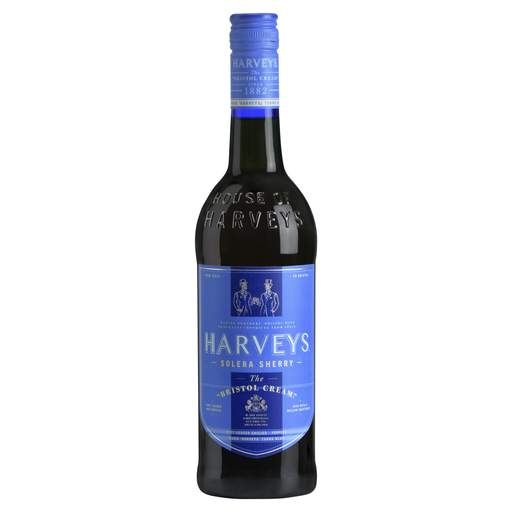
Why This Fits Their Persona: For those seeking a reliable and comforting treat without a hefty price tag. It's a versatile classic that can be enjoyed chilled on its own, over ice or even as an ingredient in a trifle. A dependable choice for a quiet evening.
This sherry is the benchmark for its style, removing any confusion about sweetness. When you buy Bristol Cream, you know you are getting a rich, smooth and sweet fortified wine, exactly as expected.
Its consistency is its greatest strength. The traditional solera ageing method ensures a remarkably smooth, velvety texture with balanced notes of raisin, sultana and toasted nuts in every bottle.
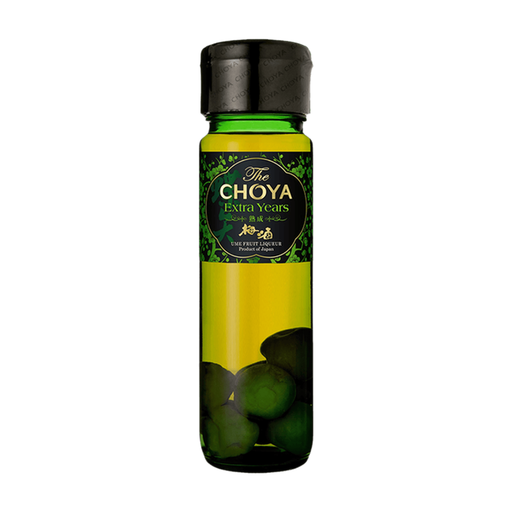
Why This Fits Their Persona: Perfect for someone looking to explore beyond traditional grape wines. This premium umeshu offers a unique sweet-and-tart flavour profile that is great on its own, with soda or as a base for creative cocktails.
This avoids the "exotic gamble" by being a high-quality, well-defined product. It's made with 100% Nanko ume fruits and aged for 2-3 years, ensuring a complex and authentic flavour, not a generic sweet liqueur.
The inclusion of whole ume fruits in the bottle adds visual appeal and allows the flavour to continue infusing. It has a rich body and a perfect balance of intense sweetness and vibrant acidity.
We have compiled a complete, real-time list of products that fully satisfy these strict selection criteria and UK safety regulations.
Once opened, the lifespan of a fortified wine depends on its style. A Tawny Port, which has already been exposed to oxygen during its long ageing in barrels, can last for several weeks or even a couple of months if stored in the fridge. A Ruby Port or LBV Port is less resilient and should ideally be consumed within a week or two. Sherry, especially sweeter styles like Cream Sherry, can last for a few weeks to a month after opening if re-sealed and refrigerated.
This depends entirely on the type of Port. A Ruby Port, Tawny Port or LBV Port does not require decanting and can be served directly from the bottle. They have been filtered to remove sediment. A true Vintage Port, however, is aged in the bottle and will form a natural sediment over time. This type of Port must be decanted carefully to separate the clear wine from the sediment before serving.
The main difference lies in the ageing process. Ruby Port is aged for a short time (2-3 years) in large vats with minimal oxygen contact, which preserves its deep red colour and intense fruity flavours. Tawny Port is aged for longer periods in smaller wooden barrels, allowing for gradual oxidation. This process gives it a paler, brownish "tawny" colour and develops complex flavours of nuts, caramel and dried fruit, with a smoother, mellower character.