
24/7 Customer Support

Free returns

Same-day & Next-day Delivery

Quality Guaranteed

Unlock Your Welcome Offers: FREE Delivery | Up to 80% OFF | Free 30-day JoyPlus trial
Download the APP
Ordering beef online can save a trip to the supermarket, but choosing the wrong cut may leave you with tough meat, too much fat or a pack that does not suit your recipe. This is particularly important when buying frozen beef cuts for hot pot, Korean barbecue, braising or family meals.
Before you buy frozen beef online in the UK, look beyond words such as “premium” or “tender”. The useful details are the cut, pack weight, country of origin, storage instructions and intended cooking method.
Thinly sliced beef for hot pot cooks in seconds, while beef brisket, shin and flank need prolonged cooking to soften connective tissue. Using one in place of the other can affect both texture and cooking time.
For example, beef hotpot slices are designed for quick dipping in simmering broth. A whole piece of beef brisket or beef shin is more suitable for braising, stews or soups.
A larger pack is not automatically more economical if part of it is unsuitable for your household or recipe. Compare the net weight, serving occasion and usable format. A 150g pack may suit a small hotpot alongside vegetables and tofu, while an 800g pack is more practical for a larger family or catering preparation.
Also check whether the stated weight is an average or has a tolerance, particularly with larger vacuum-packed cuts.
Frozen beef should normally remain at -18°C or below. Delivery planning matters because the product needs to be transferred to a suitable freezer promptly. Once defrosted, follow the pack’s refrigeration time and do not refreeze unless the product instructions specifically allow it.
Some products are intended to be thawed before cooking, while others provide cooking guidance from frozen. Always follow the product page and packaging rather than relying on appearance alone.
The cut should match the dish:
For hot pot, slice thickness is a practical specification. Products cut to approximately 1.5mm cook rapidly, although the exact time still depends on broth temperature and portion size.
Look for a clear ingredient list, country of origin and responsible business details. Products made from 100% beef should state this clearly. Some prepared items may contain seasoning, salt or sauce, so check the ingredients if you are planning a particular recipe.
The range includes British Wagyu beef, British and Irish cattle products and beef sourced from other countries. Origin is not a substitute for judging the cut, but it helps you compare products and plan meals.
Check:
For raw beef, use separate utensils and chopping boards where possible, wash hands after handling and ensure the meat is cooked thoroughly. Do not use a quick-cooking hotpot method for a thick cut that requires longer cooking.
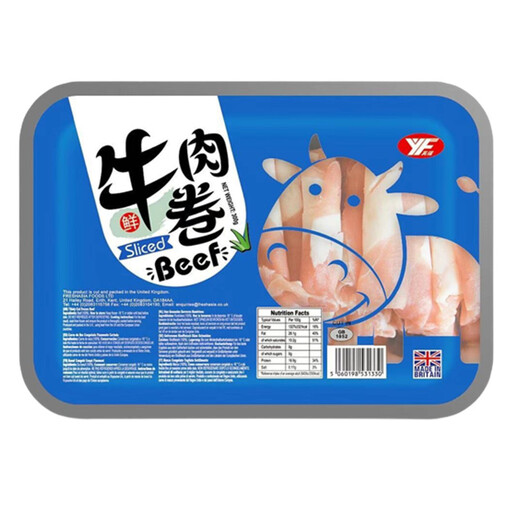
Why This Fits Their Persona: A 300g pack gives new hotpot or stir-fry cooks a manageable quantity without committing to a larger catering-size purchase.
The product is clearly presented as thinly sliced beef for quick cooking, reducing the risk of selecting a braising cut for a short meal.
300g net weight; suitable for hot pot, stir-fries and quick meals.
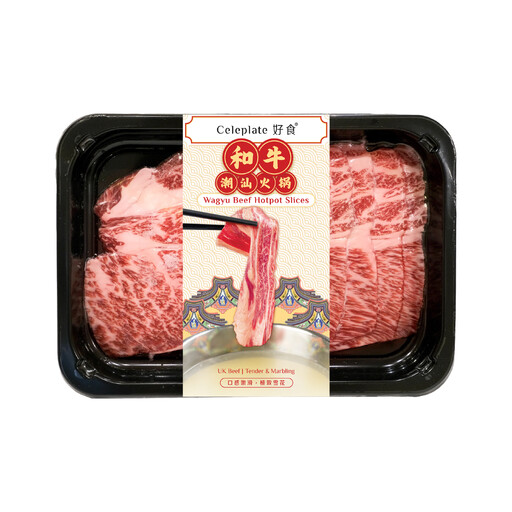
Why This Fits Their Persona: A small-format British Wagyu option suits diners planning a special shabu-shabu, sukiyaki or Chinese hotpot meal.
The listing specifies approximately 1.5mm slices and a 150g quantity, so shoppers can judge format and portion before ordering.
United Kingdom origin stated; designed for quick 5–10 second dipping in simmering broth.
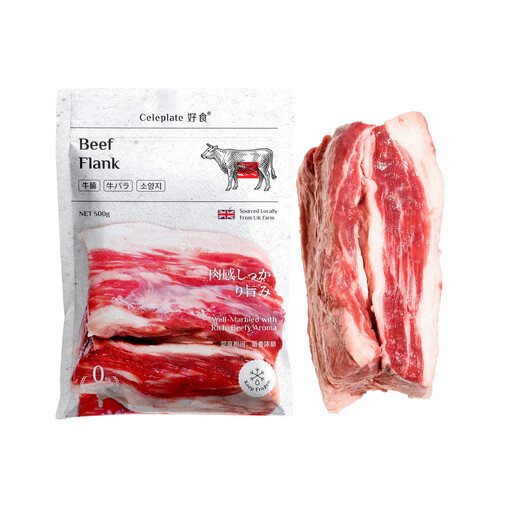
Why This Fits Their Persona: Home cooks preparing Chinese braised beef, curry, tomato stew or hotpot soups can use this cut when they have time for longer cooking.
The listing states that it is intended for long simmering, with guidance of 60 minutes or more in a regular pot.
500g pack; 100% beef; suitable for braising, soups and stews.
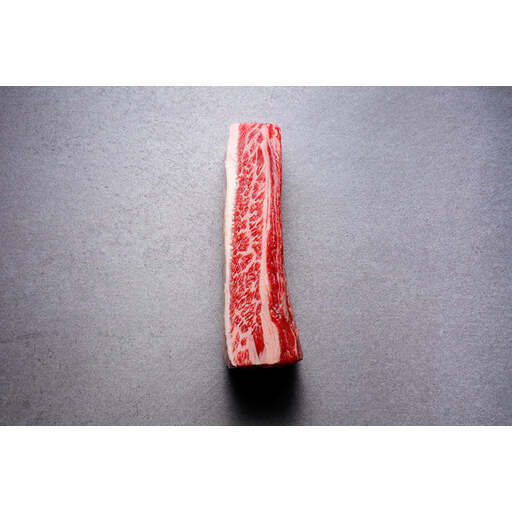
Why This Fits Their Persona: The larger pack is suited to weekend cooks, barbecue gatherings, meal preparation and professional kitchens requiring a substantial slow-cooking cut.
The product is identified as beef short ribs and described for slow cooking or smoking, rather than being presented as a quick-cook steak.
1.1kg pack; grass-fed British beef stated; suitable for slow cooking and smoking.
We have compiled a complete, real-time list of products that fully satisfy these strict selection criteria and UK safety regulations.
Choose thinly sliced beef rolls or hotpot slices. Their small thickness allows them to cook quickly in simmering broth. Wagyu, flat iron, belly and standard beef slices offer different fat and texture profiles, so check the pack weight and cooking instructions before ordering.
Where the packaging allows, defrost the unopened product in the refrigerator. Keep it covered, place it on the bottom shelf and use it within the stated time. Do not leave raw beef at room temperature for extended periods and do not refreeze it after thawing unless the product instructions explicitly permit this.
Beef brisket, beef flank, beef shin, beef short ribs and beef rib fingers are suitable options to consider because they contain muscle structure and connective tissue that can soften during prolonged cooking. Check whether the piece is boneless, the pack weight and the recommended cooking duration before placing your order.