
24/7 Customer Support

Free returns

Same-day & Next-day Delivery

Quality Guaranteed

Unlock Your Welcome Offers: FREE Delivery | Up to 80% OFF | Free 30-day JoyPlus trial
Download the APP
Ordering frozen fish online offers incredible convenience and a variety that most local supermarkets simply cannot match. From everyday staples to gourmet delicacies, a well-stocked freezer can transform your meal planning. However, the digital marketplace has its own set of challenges. Navigating vague descriptions and marketing hype can lead to disappointing purchases.
As a Joybuy Product Recommendation Officer, my role is to help you understand what truly matters. This guide will highlight common pitfalls to avoid and the key factors to check, ensuring you get quality, flavour and value from every frozen seafood delivery.
Before you add anything to your basket, be aware of these frequent issues that can affect the quality and value of your purchase:
To make an informed choice, focus on these essential product details. They are far more important than flashy packaging or marketing slogans.
The gold standard for most fillets and individual portions is Individually Quick Frozen (IQF). This process freezes each piece of fish separately and very rapidly, preventing large ice crystals from forming and damaging the cell structure. This results in a fish that, once thawed, has a texture very close to fresh. For a reliable frozen seafood delivery, look for suppliers who use insulated packaging and dry ice to maintain the cold chain right to your doorstep.
A reputable seller will always provide clear information.
Never assume any frozen fish is safe to eat raw. Fish labelled as sashimi grade or "for raw consumption" has undergone a specific super-freezing process (often to -60°C) to eliminate parasites and preserve its quality for dishes like sushi and sashimi. All other frozen fish must be cooked thoroughly before eating.
To help you see these principles in action, here are some selections matched to different home cooking needs.
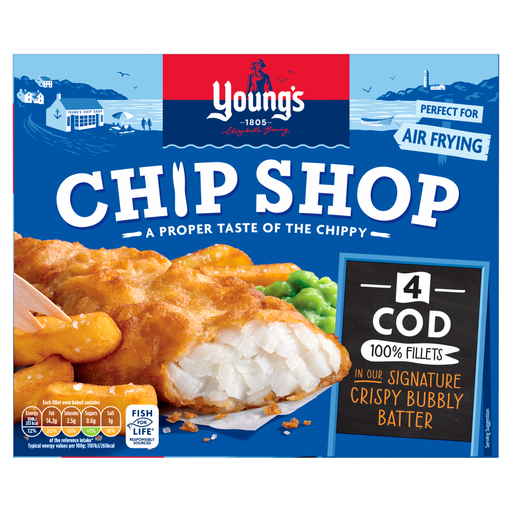
Why This Fits Their Persona: This is the perfect solution for a quick, satisfying and family-friendly meal. It brings the classic British chip shop experience home without any fuss, cooking straight from the freezer in about 20 minutes.
It avoids ambiguity by clearly stating the species is 100% cod fillet. You know exactly what you are getting, unlike generic "battered fish" products.
Ultimate convenience with a familiar, reliable taste. The signature crispy, bubbly batter provides an authentic texture straight from the oven.
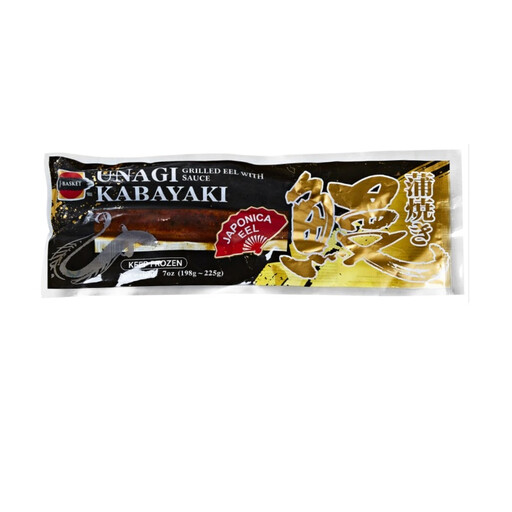
Why This Fits Their Persona: For those who love authentic Japanese food, this product offers a quick and easy way to create a classic Unagi Don (grilled eel rice bowl) at home. Sourcing and preparing fresh eel is complex, making this a highly convenient alternative.
It specifies the premium Anguilla japonica species of eel and the traditional kabayaki sauce, avoiding the "vague sourcing" pitfall and assuring authentic flavour.
This is a fully cooked meal component. It includes both the grilled eel and Japonica rice, requiring only a few minutes to heat in the microwave for a complete, authentic dish.
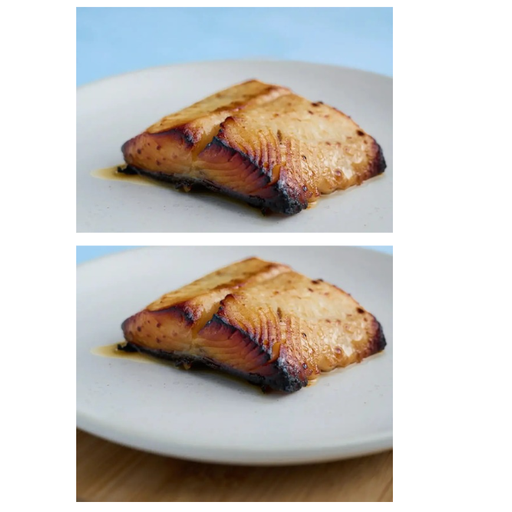
Why This Fits Their Persona: This is for the cook looking to recreate a high-end restaurant dish at home. Black Cod (Sablefish) is prized for its rich, buttery texture and this product comes pre-marinated in the iconic miso glaze, saving days of prep time.
It provides exceptional clarity on sourcing, specifying MSC certified Alaskan fisheries. This transparency is a hallmark of a premium product and avoids the pitfall of ambiguous origins.
The fish is marinated for 72 hours before being frozen, locking in a deep, complex umami flavour. The customer simply needs to defrost, grill and serve for a restaurant-quality result.
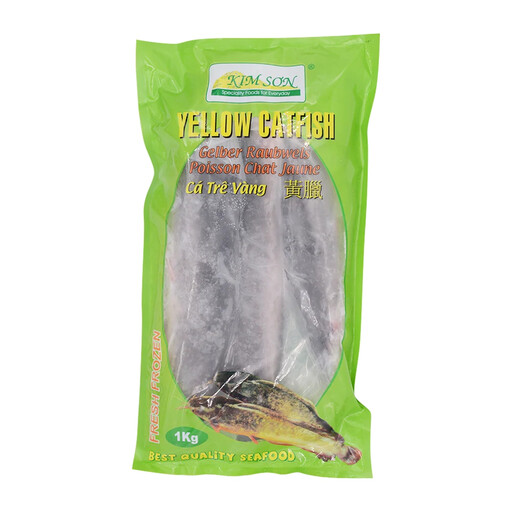
Why This Fits Their Persona: This is ideal for home cooks wanting to explore authentic Southeast Asian cuisine. Yellow Catfish is a staple in many Vietnamese dishes, prized for its tender flesh that absorbs flavours beautifully in curries, soups and hotpots.
This product avoids the "net weight" trap by offering a generous 1kg bulk pack, providing excellent value and transparency for those looking to buy bulk frozen fish.
Its mild flavour and firm-yet-flaky texture make it incredibly versatile for a wide range of Asian cooking methods, from deep-frying to braising.
We have compiled a complete, real-time list of products that fully satisfy these strict selection criteria and UK safety regulations.
1. How can I be sure my frozen fish delivery will arrive safely frozen? Reputable online retailers use specialised delivery protocols. This typically involves packing the items in an insulated box with dry ice or frozen gel packs to maintain a temperature of -18°C or below during transit. Always check the supplier's delivery policy and inspect your order upon arrival to ensure it is still solid.
2. Is frozen fish less nutritious than fresh fish? Not necessarily. The nutritional value of fish is best preserved when it is frozen very quickly after being caught. This "flash-freezing" process, often done on the fishing vessel itself, can lock in vitamins and minerals more effectively than "fresh" fish that may have spent several days in transit and on a shop counter. The key is the quality and speed of the freezing process.
3. What is the real difference between "sashimi grade" and regular frozen fish? "Sashimi grade" is a term used for fish that is suitable for raw consumption. This fish is typically "super-frozen" to extremely low temperatures (around -60°C), which is a regulated process that kills potential parasites and preserves the texture and colour of the fish. Regular frozen fish is not treated this way and must always be cooked thoroughly before consumption.