
24/7 Customer Support

Free returns

Same-day & Next-day Delivery

Quality Guaranteed

Unlock Your Welcome Offers: FREE Delivery | Up to 80% OFF | Free 30-day JoyPlus trial
Download the APP
Shopping for groceries online has become a weekly routine for many of us in the UK, but when it comes to the frozen food aisle, caution is key. If you want to buy frozen fish online, you'll find a huge variety, from everyday staples to authentic ingredients for Asian cuisines. However, navigating the options can be tricky. Misleading packaging and confusing terms can lead to you paying for more than you get.
As a Joybuy Product Recommendation Officer, my role is to help you understand what really matters. This guide cuts through the clutter, highlighting the common pitfalls and explaining the essential factors to check before you add anything to your basket.
A well-stocked freezer can be a lifesaver for busy households, but not all frozen fish is created equal. Here are two frequent issues that can leave you with a disappointing meal and a lighter wallet.
The Ice Glaze Trap: Paying for Water Many frozen fish products are coated in a protective layer of ice, known as a "glaze." While this glaze prevents freezer burn and preserves moisture, some packages list the gross weight (fish + ice) on the front. It is not uncommon for this glaze to account for 20% or more of the total weight. You might think you are buying a 1kg bag of fish, but in reality, you could be getting only 800g of actual seafood.
The Texture Gamble: Not All Freezing is Equal Have you ever thawed a fish fillet only for it to turn mushy and fall apart during cooking? This is often a result of a slow or improper freezing process. When fish freezes slowly, large ice crystals form, which damage the cell walls of the flesh. This leads to a loss of moisture and a poor, watery texture upon thawing.
To ensure you get quality and value, focus on these key product details. They are far more important than flashy marketing claims.
This is the single most important detail to look for. Always check the product description or packaging for the net weight or net drained weight. This figure tells you the actual weight of the fish without the ice glaze. A reputable online fishmonger in the UK will make this information clear. For example, a product might be listed as "1kg (Net 800g)," which is an honest declaration that you are receiving 800g of fish. This transparency allows you to accurately compare prices and get what you pay for.
IQF stands for Individually Quick Frozen. This is a process where each item, such as individual boneless fish fillets, is frozen separately and very quickly at a low temperature. The benefits are significant:
The way a fish is prepared can make all the difference. Consider what you plan to cook:
Frozen tilapia fillets and frozen pangasius (often sold as basa fillets online) are incredibly versatile. Being skinless and boneless, they are perfect for quick weeknight meals like pan-frying, baking or adding to curries.small yellow croaker is often steamed or braised whole, while ribbonfish chunks are ideal for deep-frying or stewing. Having access to an Asian seafood delivery service that offers these specific cuts is a huge advantage for home cooks exploring global cuisines.To help you make a confident choice, here are a few products that meet our criteria, matched to different cooking needs and preferences.
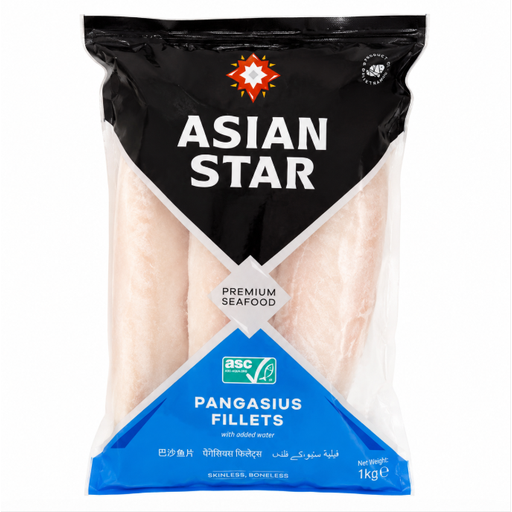
Why This Fits Their Persona: This is an ideal staple for families or anyone needing a quick, high-protein meal. The boneless, skinless fillets are ready to cook and their mild flavour makes them a perfect canvas for any sauce or seasoning.
The packaging is transparent, clearly stating "1kg (Net 800g)". This honesty means you know you are paying for 800g of fish, not excess ice.
The firm texture holds up well in stir-fries and curries without breaking apart. The fillets are also well-trimmed and deep-skinned for a leaner meal.
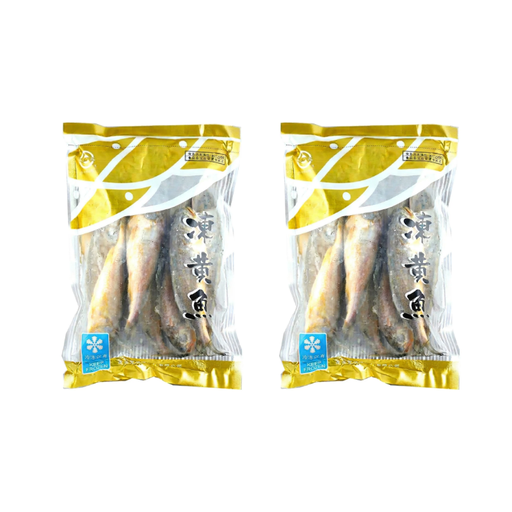
Why This Fits Their Persona: For those looking to recreate authentic Chinese dishes, this wild-caught small yellow croaker is an essential ingredient. Its delicate, tender meat is perfect for traditional preparations like steaming with ginger or braising in a rich sauce.
This product avoids species confusion by being exactly what it claims: 100% wild small yellow croaker. There are no additives, ensuring a pure, natural ocean flavour.
Being wild-caught, it offers a more distinct flavour and firmer texture compared to many farmed alternatives. It is sold as a whole fish, which is traditional for many recipes.
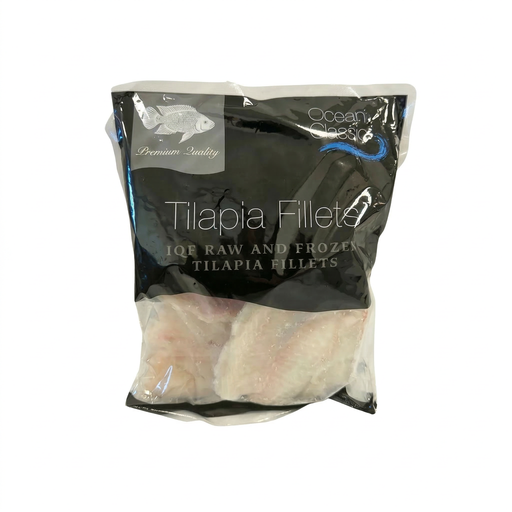
Why This Fits Their Persona: Tilapia is a fantastic source of lean protein (21g per 100g) with very little fat. These fillets are perfect for meal prepping, as they can be baked, grilled or steamed in batches for healthy lunches and dinners throughout the week.
These fillets are IQF (Individually Quick Frozen), which directly counters the texture gamble. This ensures a firm fillet that won't turn mushy and allows for easy portioning straight from the freezer.
The mild, sweet flavour makes it extremely versatile for healthy eating. It pairs well with herbs, spices and vegetables without overpowering them. The 800g net weight is clearly stated.
For a convenient pantry option, canned salmon is also an excellent choice. It requires no freezing or cooking and is a great source of protein and omega-3 fatty acids, perfect for quick salads or sandwiches.
We have compiled a complete, real-time list of products that fully satisfy these strict selection criteria and UK safety regulations.
1. What is the difference between Basa and Pangasius? The terms are often used interchangeably, as both belong to the same family of catfish, primarily farmed in Southeast Asia. Generally, they are mild, white-fleshed fish. Rather than focusing on the name, it is more useful to assess quality based on the fillet's colour (whiter is often preferred), trimming (less fat) and whether the net weight is clearly stated.
2. Is frozen fish as healthy as fresh fish? Yes, provided it is frozen correctly. The flash-freezing process used for IQF products locks in nutrients very effectively, so frozen fish retains a comparable nutritional value to its fresh counterpart. In some cases, "fresh" fish at the counter may have been previously frozen and thawed, whereas buying frozen ensures it has remained in a stable state since being processed.
3. What is the best way to thaw frozen fish? For the best texture, always thaw fish slowly. The ideal method is to place it in the refrigerator overnight on a plate or in a container to catch any liquid. Avoid thawing fish at room temperature or in hot water, as this can encourage bacterial growth and will negatively affect the texture of the meat.