
24/7 Customer Support

Free returns

Same-day & Next-day Delivery

Quality Guaranteed

Unlock Your Welcome Offers: FREE Delivery | Up to 80% OFF | Free 30-day JoyPlus trial
Download the APP
Stocking the freezer is a brilliant way to save time and reduce food waste, and having it all delivered to your door is even better. But when you buy frozen food online, it's easy to fall into a few common traps. The convenience can sometimes come with compromises on quality, health or flavour that aren't obvious from a product photo.
As a Joybuy Product Recommendation Officer, my role is to help you see past the marketing and make choices that genuinely suit your household. Here are the key pitfalls to watch for and how to navigate them.
To avoid these issues, focus on a few core parameters before adding items to your basket. This ensures you get the quality and convenience you're paying for.
Look beyond the front-of-pack claims. In the UK, the traffic light labelling system on the front is your quickest guide to fat, saturates, sugars and salt content. For a balanced choice, aim for more greens and ambers. When looking at the full nutritional table, pay attention to:
The term IQF (Individually Quick Frozen) is a sign of quality, particularly for loose items like fruit, prawns or chopped vegetables. This process freezes each piece of food separately, which helps to:
A clear, concise ingredients list is a mark of a trustworthy product. When choosing plant-based items, check for recognised certifications.
Here are a few recommendations that align with these quality principles, matched to different needs and lifestyles.

Why This Fits Their Persona: This is the ultimate shortcut for a quick, flavourful meal after a long day. It provides the base for fajitas, stir-fries or a side dish in minutes, removing the need for chopping and seasoning.
It sidesteps the "healthy illusion" trap by being exactly what it says: seasoned vegetables. You control the rest of the meal, and the clear labelling (Nutri-Score B, 1 of 5-a-day) provides transparency.
Cooks from frozen in 5-7 minutes. The IQF process ensures the peppers and onions retain a pleasant, crisp-tender texture rather than turning mushy.
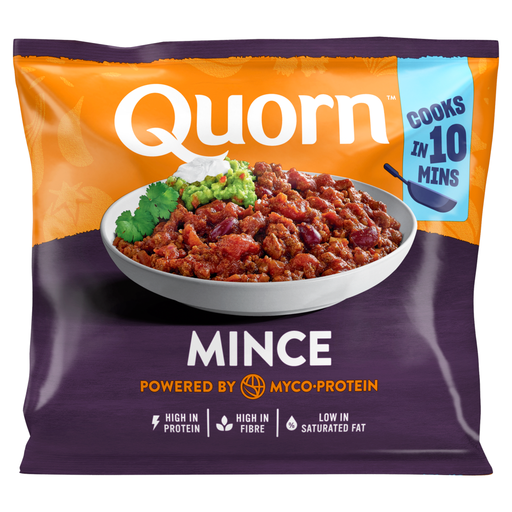
Why This Fits Their Persona: This is a freezer essential for anyone who enjoys making vegetarian or vegan versions of classic comfort foods like shepherd's pie, chilli or Bolognese. It provides a high-protein base for countless recipes.
It avoids the "ingredient ambiguity" trap by being a simple, core ingredient. Based on Mycoprotein, it has a clear nutritional profile and gives you full control over the salt and fat in your final dish.
High in protein (10g per 100g) and fibre (7g per 100g), and low in saturated fat. It cooks from frozen in 10-12 minutes, making it highly convenient.
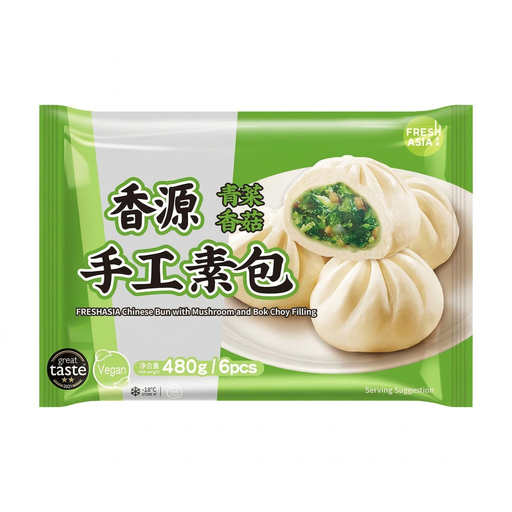
Why This Fits Their Persona: Perfect for those who love authentic Asian flavours but lack the time for complex preparation. These buns offer a genuine taste experience and make a great lunch, snack or part of a larger meal.
This product avoids the "texture letdown" because steamed buns are designed to be cooked from frozen. Steaming rehydrates the dough perfectly, resulting in a soft, fluffy bun and a hot, savoury filling.
Extremely convenient, steaming in just 10-12 minutes. The filling of bok choy, mushrooms and black fungus provides an authentic and satisfying vegetarian flavour.
We have compiled a complete, real-time list of products that fully satisfy these strict selection criteria and UK safety regulations.
It can be. Online retailers often provide access to bulk-buy offers that aren't available in-store. Furthermore, using a frozen food delivery service saves you time and travel costs. The biggest saving, however, comes from reduced food waste. Having a well-stocked freezer with portion-controlled items like IQF vegetables or mince means you only use what you need, and the rest stays perfectly preserved.
Reputable delivery services use a temperature-controlled "cold chain" process. This involves storing products in commercial freezers, transporting them in insulated vans and often packing them in insulated bags or boxes with cooling elements for the final leg of the journey to your door. Opting for same-day or next-day delivery slots further ensures your items arrive solidly frozen.
In many cases, yes. Vegetables destined for freezing are typically picked at their peak ripeness and flash-frozen (often using the IQF method) within hours. This process locks in vitamins and minerals. In contrast, "fresh" vegetables may have spent days in transit and on a shelf, during which time their nutritional value can decline. For out-of-season produce, frozen is often the more nutritious choice.