
24/7 Customer Support

Free returns

Same-day & Next-day Delivery

Quality Guaranteed

Unlock Your Welcome Offers: FREE Delivery | Up to 80% OFF | Free 30-day JoyPlus trial
Download the APP
A bag of quality frozen prawns in the freezer is a promise of a quick, delicious meal, whether it's a speedy weeknight stir-fry or a weekend paella. However, navigating the freezer aisle to buy prawns online can be confusing. Vague packaging and marketing terms often lead to disappointment, leaving you with smaller, water-logged prawns than you expected. As a Joybuy Product Recommendation Officer, my role is to help you see past the hype and choose with confidence. Here are the common pitfalls to avoid.
To ensure you get exactly what you need for your recipe, focus on these three key specifications. They are the most reliable indicators of quality and suitability, helping you make a smart purchase every time.
Forget vague size descriptions. The most important detail on a pack of frozen prawns is the count per kilogram or pound. This is usually shown as a range, like 21/25 or 40/50.
The way prawns are prepared before freezing drastically changes their use in the kitchen.
IQF stands for Individually Quick Frozen. This process flash-freezes each prawn separately before they are bagged. The key benefit is that the prawns don't freeze into a solid block. You can easily take out the exact number you need for a meal without having to defrost the entire bag, which helps maintain the quality of the remaining prawns and reduces waste.
To help you choose, we've matched a few options to different cooking styles and needs, all of which meet clear specification standards.
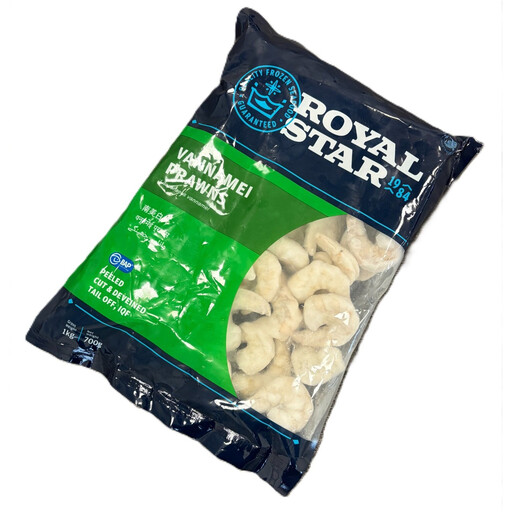
Why This Fits Their Persona: For those who need dinner on the table in under 30 minutes, these prawns are a lifesaver. Being fully peeled and deveined means zero prep time—they can go from thawed to pan-fried in minutes, perfect for a quick garlic prawn pasta or a Thai green curry after a long day.
These are raw, so they won't turn rubbery when cooked. The size is clearly stated as 31/40, and the 700g net weight ensures you know exactly how many prawns you're getting, minus the excess water glaze.
Maximum convenience with the P&D format. The IQF freezing allows for easy portioning straight from the bag.
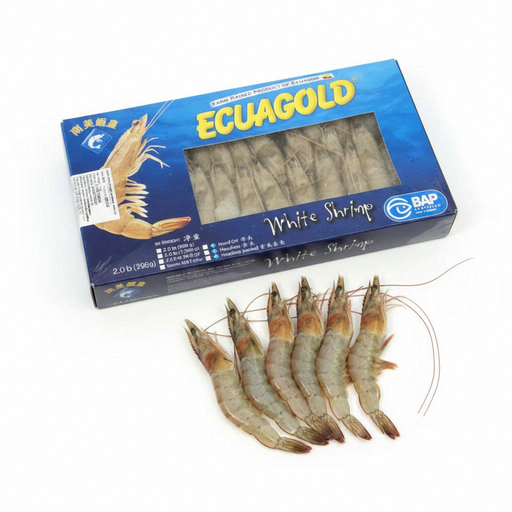
Why This Fits Their Persona: For the cook who believes flavour is paramount. These shell on prawns with heads intact are perfect for creating rich, flavourful dishes. The heads and shells can be simmered into a world-class stock for a seafood bisque or paella, delivering a depth of flavour that peeled prawns cannot match.
The choice of a Head-On Shell-On (HOSO) format is deliberate for flavour. The extra-large 20/30 sizing is clearly defined, ensuring an impressive presentation suitable for gourmet dishes.
Unparalleled flavour and moisture retention due to the head and shell. The large size makes for a satisfying, meaty bite.
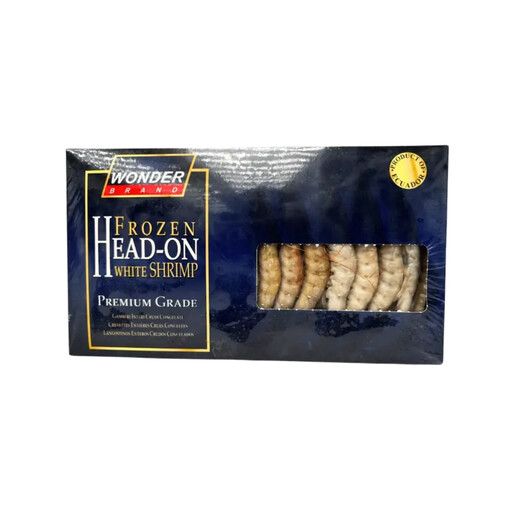
Why This Fits Their Persona: When hosting a barbecue, presentation is key. These large, head-on prawns look spectacular on skewers and platters. The shell protects the delicate meat from the intense heat of the grill, keeping it juicy and tender while getting a beautiful char on the outside.
By choosing a product with a clear 20/30 count, the host knows they are getting genuinely large frozen prawns that are perfect for grilling, avoiding the "Jumbo" size illusion.
Excellent for high-heat cooking like grilling or barbecuing. The large size and shell-on format deliver both impressive visuals and succulent results.
We have compiled a complete, real-time list of products that fully satisfy these strict selection criteria and UK safety regulations.
1. Do I need to defrost frozen prawns before cooking? For the most even cooking and best texture, it is highly recommended to defrost prawns before cooking, especially for methods like pan-frying, stir-frying or grilling. The best way is to leave them in the refrigerator overnight. For a quicker method, place the frozen prawns in a colander and run cold water over them until thawed, which should take 5-10 minutes. Pat them dry with a paper towel before cooking.
2. What is the black line on a prawn's back? That line is the prawn's digestive tract, often called the "vein." If it's black, it contains grit; if it's clear, it's empty. While it is harmless to eat, it can have a slightly gritty texture. This is why many people prefer "deveined" prawns for a cleaner eating experience. On shell-on prawns, you can easily remove it yourself with a small knife after peeling.
3. Why do my frozen prawns sometimes turn out rubbery? The most common reason for rubbery prawns is overcooking. Prawns cook very quickly. Whether you're boiling, frying or grilling, they typically only need 2-4 minutes. As soon as they turn from translucent grey to opaque pink, they are done. Another cause could be using pre-cooked prawns in a hot dish, which essentially cooks them for a second time. Always start with raw prawns for recipes that require cooking.