
24/7 Customer Support

Free returns

Same-day & Next-day Delivery

Quality Guaranteed

Unlock Your Welcome Offers: FREE Delivery | Up to 80% OFF | Free 30-day JoyPlus trial
Download the APP
Navigating the freezer aisle to buy prawns online UK can feel more complicated than it should. With a dizzying array of codes, sizes and preparations, it's easy to end up with a product that doesn't suit your recipe or your budget. As a Joybuy Product Recommendation Officer, my role is to help you see past the marketing and make informed choices. Many home cooks find themselves disappointed by paying for ice, getting the wrong size for their dish or spending ages on prep they didn't anticipate.
Before you add a pack of frozen raw prawns to your basket, let's look at a few common pitfalls that can lead to buyer's remorse:
To ensure you get the right prawns for your culinary needs, focus on these three core parameters.
Understanding prawn sizing is the single most important step. The numbers on the pack refer to the quantity of prawns you get per unit of weight.
How your prawns are frozen affects their convenience and usability.
The right choice depends entirely on your recipe and how much prep time you have.
Based on these practical considerations, we've matched a few options to different types of home cooks.

Why This Fits Their Persona: This user needs to get a healthy, flavourful dinner on the table fast. These prawns are fully prepped, saving crucial time on peeling and deveining, making them perfect for a quick stir-fry, pasta or curry after a long day.
It directly addresses the convenience pitfall. By being fully peeled and deveined, it eliminates the prep work that can turn a quick meal into a chore. The 31/40 sizing is clearly stated and ideal for incorporating into mixed dishes.
IQF format for easy portioning and no waste. Chef-ready convenience saves significant preparation time.

Why This Fits Their Persona: This cook wants to create an impressive, restaurant-quality dish for guests. These extra-large, head-on prawns make a stunning visual on a seafood platter, paella or grilled on the barbecue, delivering maximum flavour and a luxurious feel.
By choosing a large, shell-on format, the cook gets a product where flavour and moisture retention are prioritised. The clear 20/30 sizing ensures they know they are getting impressive, jumbo-sized prawns suitable for a centrepiece dish.
Head-On Shell-On (HOSO) format for superior flavour and juiciness. Extra-large 20/30 size creates an impressive presentation.
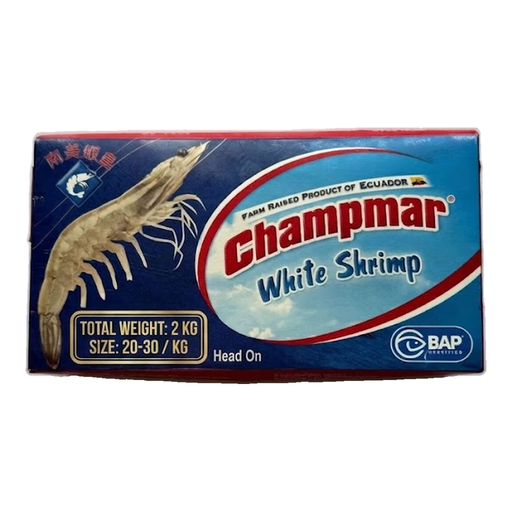
Why This Fits Their Persona: This user understands that true depth of flavour comes from using the whole ingredient. They will use the heads and shells to make a rich stock for a bisque, risotto or curry base, and they value the succulent meat that comes from cooking prawns in their shell.
This product sidesteps the "convenience" trap by offering maximum flavour potential. The block format is ideal for someone planning a large meal or batch-cooking stock, ensuring they have plenty of raw material to work with.
Whole prawn quality for creating flavourful stocks. Large 2kg block is economical for big gatherings or batch cooking.
We have compiled a complete, real-time list of products that fully satisfy these strict selection criteria and UK safety regulations.
For most cooking methods, defrosting is recommended for the most even results. You can defrost them overnight in the refrigerator. If you're short on time, place the frozen prawns in a colander and run them under cold water until thawed. However, for dishes like soups or curries where the prawns are simmered in liquid, you can often add them directly from frozen. Always check the package for specific instructions.
The terms "king," "jumbo" and "colossal" are marketing descriptions for size, not a specific species. The most reliable indicator of size is the count per pound (lb) or kilogram (kg) on the packaging. Jumbo king prawns will have a very low count, such as U/15 (under 15 per lb) or 16/20, while standard raw king prawns might have a higher count like 26/30.
Properly frozen prawns should be stored at -18°C or below. Before cooking, check for signs of spoilage. Key indicators include a strong, "off" or ammonia-like smell, a slimy texture or significant discoloration. If the prawns are IQF, they should be loose in the bag; if they are frozen into a solid, icy mass (and aren't supposed to be block-frozen), they may have thawed and refrozen, which can affect quality. When in doubt, it is safest to discard them.