
24/7 Customer Support

Free returns

Same-day & Next-day Delivery

Quality Guaranteed

Unlock Your Welcome Offers: FREE Delivery | Up to 80% OFF | Free 30-day JoyPlus trial
Download the APP
The convenience of ordering high-quality frozen seafood online has transformed how we cook at home. The promise of restaurant-standard ingredients delivered directly to your door is compelling, especially for those passionate about creating authentic international dishes. However, the online marketplace can be tricky to navigate.
Many home cooks find their freezers stocked with products that don't live up to their descriptions, leading to wasted money and disappointing meals. Before you make your next purchase, it is important to understand a few common pitfalls that can catch out even savvy shoppers. These often relate to misleading weight, confusing size descriptions and the freezing process itself.
To ensure you receive exactly what you pay for, focusing on a few key product specifications is essential. Cutting through the marketing language and understanding the technical details will help you select genuinely high-quality gourmet frozen seafood.
When browsing for frozen seafood, you will often see two weights listed: gross and net. The difference is the protective ice glaze. This thin layer of ice is applied to prevent freezer burn and dehydration, which is important for maintaining quality. However, some products can have an excessive glaze (20% or more), meaning a significant portion of the weight you are paying for is just frozen water.
What to look for: Always prioritise the net weight or drained weight. This figure tells you the actual weight of the seafood you will have once it is thawed. A reputable supplier will make this information clear.
Vague terms like "Jumbo" or "Large" are subjective and vary between suppliers. A more reliable indicator of size, particularly for frozen prawns and scallops, is the count per unit of weight. You will often see this expressed as a range, such as 10/20 or 31/40.
How to read it: These numbers typically indicate the number of individual pieces per pound (lb) or kilogram (kg). For example:
Understanding this system allows you to accurately plan portions and ensure the size is appropriate for your recipe, whether it's a paella requiring smaller prawns or a grilled dish showcasing large frozen king prawns.
The method used to freeze seafood has a significant impact on its texture, flavour and convenience. Many products are "block frozen," where the seafood is frozen together in a solid block of ice. This can damage the delicate cell structure and forces you to thaw the entire block at once.
The better alternative: Look for the term IQF (Individually Quick Frozen). This process flash-freezes each piece of seafood separately. The benefits are substantial:
For home cooks creating everything from Japanese sashimi to Italian pasta, IQF seafood offers a level of quality and flexibility that block-frozen products cannot match.
To help you apply this knowledge, we have selected a few products that meet these criteria, each suited to a different type of home cook.
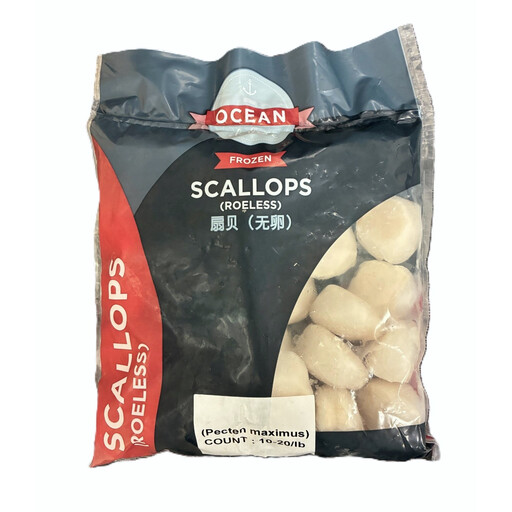
Why This Fits Their Persona: For those aiming to create a restaurant-quality main course, these large, roeless frozen scallops provide a clean presentation and sweet flavour. They are substantial enough to be the star of a dish, perfect for pan-searing to a golden-brown crust.
The product clearly states a 700g net weight, uses the precise 10/20 sizing standard and is IQF, addressing all three common purchasing pitfalls directly.
Roeless meat offers a pure, sweet flavour without the grainier texture of the roe. The IQF format allows for perfect portioning for one or two people.
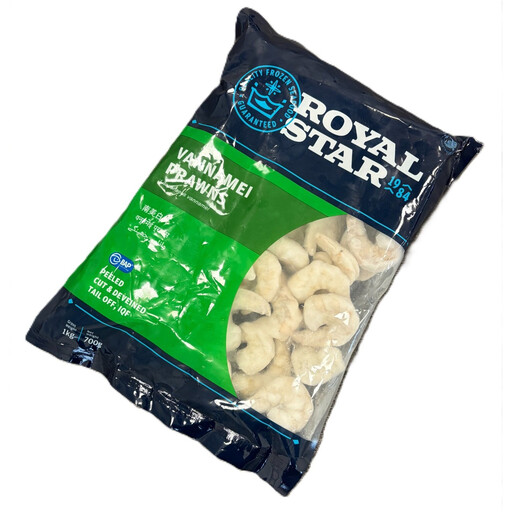
Why This Fits Their Persona: Convenience is paramount for quick meals. These raw, peeled and deveined frozen prawns eliminate the most time-consuming prep work, making them ideal for being tossed directly into a stir-fry, curry or pasta sauce.
This product specifies a 700g net weight, uses the clear XL-21/25 sizing guide and is IQF for easy portioning straight from the freezer.
The "Peeled & Deveined" (P&D) preparation saves significant time and effort. Being raw, they absorb marinades and sauces more effectively during cooking.
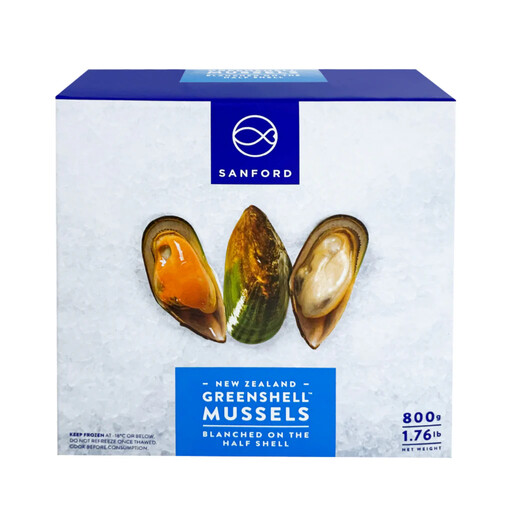
Why This Fits Their Persona: These New Zealand Greenshell frozen mussels are a visually striking and flavourful ingredient central to many global cuisines. The half-shell presentation is ideal for dishes like Korean-style baked mussels or simply steaming with white wine and garlic.
The product is IQF, ensuring mussels can be used individually. It also clearly states an 800g net weight, providing transparency and value.
Pre-cleaned and presented on the half shell, which significantly reduces preparation time and waste. The vibrant green shell adds a gourmet touch to the final dish.
We have compiled a complete, real-time list of products that fully satisfy these strict selection criteria and UK safety regulations.
Raw frozen prawns (often grey or translucent) offer more versatility. They absorb the flavours of marinades and sauces during the cooking process, making them ideal for curries, stir-fries and barbecues. Cooked frozen prawns (usually pink) are ready to eat once thawed and are perfect for quick applications like prawn cocktails, salads and sandwiches.
For the best texture and flavour, the recommended method is to place the frozen seafood in a covered bowl in the refrigerator overnight. This slow, gentle thawing process helps maintain the integrity of the seafood. For a quicker method, you can place the required amount in a colander and run it under cold water until thawed, draining it well before use. Avoid using warm water or a microwave, as this can start to cook the seafood unevenly and negatively affect its texture.
Yes, in many cases you can. Smaller items like prawns or thin fillets can often be cooked from frozen, though you will need to increase the cooking time by approximately 50%. This method works well for poaching, steaming or adding to soups and stews. For methods like pan-searing or grilling where a good crust is desired, it is generally better to thaw the seafood first to ensure it cooks evenly and doesn't release too much water into the pan. Always check the product's packaging for specific instructions.