
24/7 Customer Support

Free returns

Same-day & Next-day Delivery

Quality Guaranteed

Unlock Your Welcome Offers: FREE Delivery | Up to 80% OFF | Free 30-day JoyPlus trial
Download the APP
Shopping for seafood online offers incredible convenience and access to a world of ingredients, from everyday staples to authentic items for global cuisines. However, the digital marketplace can be tricky to navigate. As a home cook in the UK, you want to be sure you are getting quality, value and exactly what you need for your recipes.
Before you click "add to basket," it is worth understanding a few common pitfalls that can lead to disappointment and wasted money.
To ensure you get precisely what you pay for, focus on these three core parameters. They are the difference between a disappointing meal and a kitchen success.
Always look for the net drained weight on the product description. This figure tells you the actual weight of the seafood once the protective ice glaze has been accounted for. Many products are Individually Quick Frozen (IQF), a process that freezes each piece separately before it is glazed and bagged. This is excellent for convenience as you can use only what you need, but the glaze percentage is still a critical detail. A product with a 10% glaze offers far better value than one with a 40% glaze, even if the initial price seems higher.
For consistent cooking results, you need to know exactly what you are buying.
pangasius fillets for a stir-fry, oily Indian mackerel for grilling or delicate snakehead fish for a traditional hot pot, the species matters. Reputable online stores will clearly state the scientific and common names.frozen fish fillets? For dishes like Japanese grilled eel, you will want a product specifically prepared as frozen unagi eel. For Chinese recipes, you might look for Chinese belt fish chunks.Check the retailer’s delivery information. Look for commitments to using temperature-controlled packaging, such as insulated boxes and dry ice, to ensure your order arrives solidly frozen. Products frozen at the source (often stated on the packaging) generally maintain a higher quality than those processed and frozen multiple times.
Based on these practical criteria, here are a few selections suited to different types of home cooks in the UK.
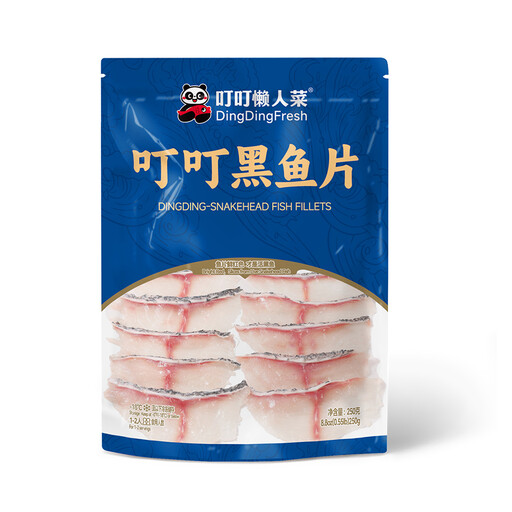
Why This Fits Their Persona: Perfect for the home cook dedicated to recreating authentic dishes like Sichuan boiled fish or looking for the right fish for hot pot. This specific species is hard to find in standard UK supermarkets.
This product directly counters the "mystery fillet" problem by clearly labelling the species as snakehead fish, ensuring the correct texture and flavour for specific Asian recipes.
Comes pre-filleted and boneless, saving a significant amount of preparation time and making it accessible for cooks of all skill levels to tackle complex dishes.
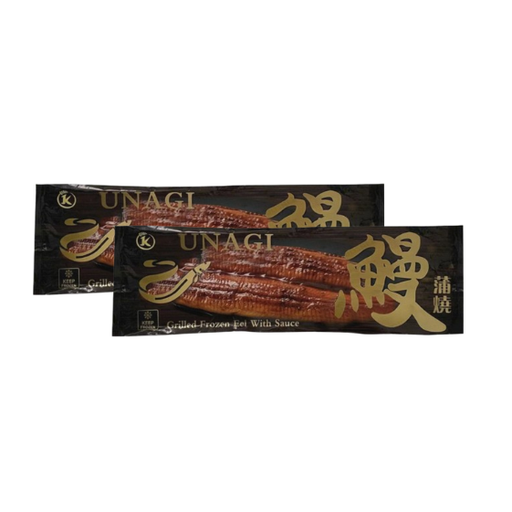
Why This Fits Their Persona: For busy individuals who want a high-quality, flavourful meal without the effort. This frozen unagi eel provides a restaurant-style experience at home in minutes, perfect for a quick weeknight dinner over rice.
This is a value-added product where the price reflects the preparation and cooking that has already been done. The focus is on convenience and flavour, not just the raw weight of the fish.
Pre-cooked and marinated in a classic sweet soy-based sauce. It requires minimal effort—simply heat in the microwave or in boiling water for a delicious meal.

Why This Fits Their Persona: An excellent choice for those who plan their meals for the week. These mild, versatile basa fish fillets are a blank canvas for baking, frying or adding to curries, providing a reliable and lean protein source.
This product tackles the "ice tax" head-on by clearly stating the total weight (1kg) and the net weight of fish (800g). This transparency allows for an accurate assessment of value.
The fillets are Individually Quick Frozen (IQF), skinless and boneless. This means you can take out one or two fillets at a time without defrosting the entire bag, reducing waste and making meal prep easier.
We have compiled a complete, real-time list of products that fully satisfy these strict selection criteria and UK safety regulations.
Reputable online retailers should explicitly state their delivery methods for frozen goods. Look for mentions of insulated boxes, wool liners or dry ice to maintain a sub-zero temperature during transit. Also, check for a reliable courier service that provides delivery time slots so you can be home to receive the order promptly.
Glazing is the process of spraying a thin layer of water onto frozen seafood, which freezes into a protective coating of ice. This prevents "freezer burn" (dehydration and oxidation) and helps preserve the quality and texture of the fish during storage. While necessary, it is important to check the percentage of the glaze to understand the true net weight of the seafood you are purchasing.
This depends on the product and cooking method. Thin fillets can often be cooked from frozen, though you may need to adjust the cooking time. However, for an even cook, especially for thicker pieces of fish, it is generally recommended to thaw them slowly in the refrigerator overnight. Value-added products like breaded frozen squid rings or pre-cooked eel are typically designed to be cooked directly from frozen. Always check the package for specific instructions.