
24/7 Customer Support

Free returns

Same-day & Next-day Delivery

Quality Guaranteed

Unlock Your Welcome Offers: FREE Delivery | Up to 80% OFF | Free 30-day JoyPlus trial
Download the APP
Navigating the world of online grocery shopping can be tricky, especially when it comes to stocking your fridge with fruit drinks. The virtual aisles are filled with colourful cartons and bottles, all promising refreshment. However, not all fruit drinks are created equal. As a Product Recommendation Officer at Joybuy, my role is to help you see past the clever marketing and make choices that suit your family’s needs and budget. Let's look at some common pitfalls and how to avoid them.
When you buy fruit drinks online, it's easy to be swayed by bright packaging or appealing descriptions. Here are two frequent traps that UK shoppers fall into:
To ensure you're getting what you pay for, focus on these two non-negotiable details on the product page.
This is the most important number to look for. UK regulations have clear definitions that can help you understand what you're buying:
Beyond the juice percentage, the ingredients list reveals the true nature of the drink. Look for added sugars like glucose-fructose syrup or sucrose high up on the list. For families, considering the format is also key. A fruit juice multipack of 200ml bottles is ideal for lunchboxes, while 1-litre fruit juice cartons offer better value for daily breakfast use. For gatherings, you might look for larger bottles of still or sparkling fruit juice to serve as refreshing non-alcoholic party drinks.
To make things simpler, here are some recommendations matched to different household needs, all of which are transparent about their contents.
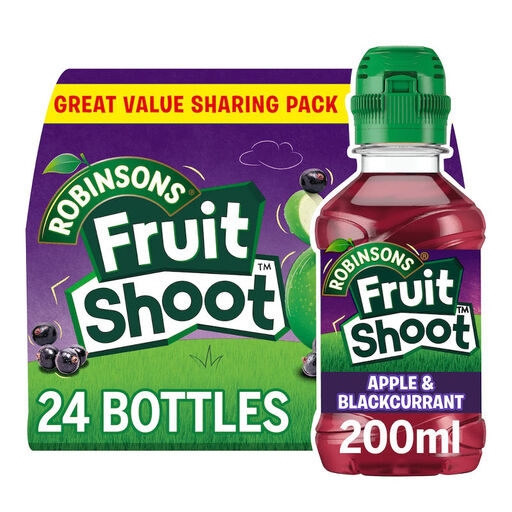
Why This Fits Their Persona: This is a practical solution for parents packing school lunches or needing a quick drink for kids' activities. The 24-pack format means you're always stocked up, and the 200ml bottles are perfectly portioned for children.
It directly addresses the "fruit drink" illusion by clearly stating it contains no added sugar, only naturally occurring sugars from the fruit. The juice content (8% total) is transparently listed.
The main benefits are convenience and portion control. The resealable sports cap is designed for active kids, minimising spills.
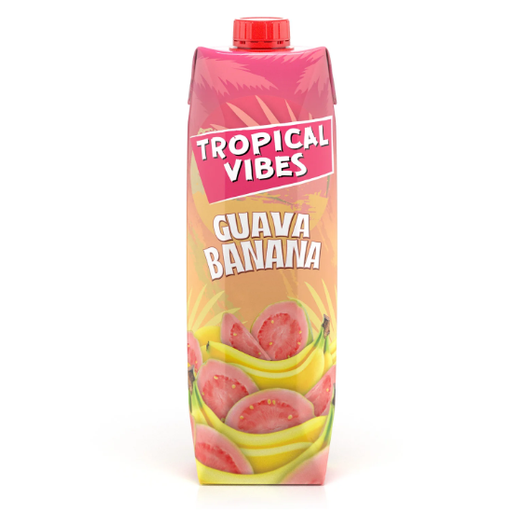
Why This Fits Their Persona: For those looking to buy exotic juice online, this offers a genuine taste of the Caribbean. The guava and banana blend is a classic tropical combination that provides a creamy, rich flavour profile, perfect for breakfasts or mixing into smoothies.
This drink sidesteps the "exotic halo" trap by using a substantial amount of real fruit. The ingredients list shows Guava Pulp (15%) and Banana Puree (10%), ensuring the flavour is authentic, not just artificial.
The key advantage is the authentic, puree-based flavour. It's available in a pack of six 1-litre cartons, offering good value for households that enjoy tropical tastes regularly.
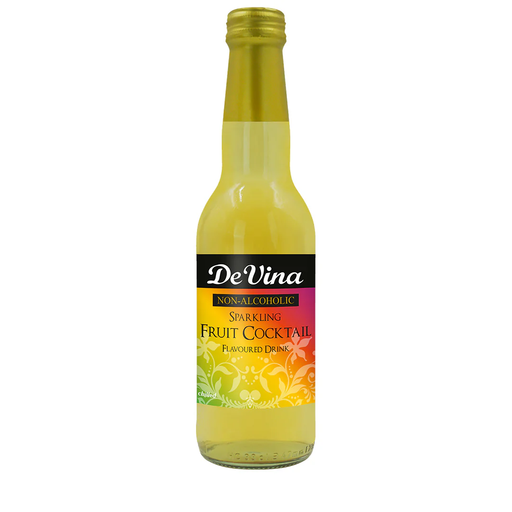
Why This Fits Their Persona: When hosting a party or barbecue, having a sophisticated non-alcoholic option is essential. This sparkling fruit cocktail offers a celebratory feel without the alcohol, making it an inclusive choice for all guests.
It is clearly presented as a "Sparkling Fruit Cocktail," setting an accurate expectation. It's not trying to be a health drink but a festive alternative, based on 30% grape juice from concentrate for a balanced sweetness.
Its light fizz and balanced fruit flavour make it a versatile crowd-pleaser. It can be served on its own over ice or used as a base for creating more elaborate mocktails.
We have compiled a complete, real-time list of products that fully satisfy these strict selection criteria and UK safety regulations.
What is the difference between 'fruit juice' and 'fruit drink' in the UK? In the UK, 'fruit juice' legally must be 100% juice from the named fruit. A 'fruit drink', on the other hand, has no legal minimum for juice content. It is typically a beverage made from water, a small amount of juice and added sugars or sweeteners. Always check the ingredients for the juice percentage.
How long do 1-litre fruit juice cartons last once opened? Once a 1-litre carton of fruit juice is opened, it should be kept refrigerated and is generally good for around 3 to 5 days. The acidity of the juice can affect its shelf life. Always check the packaging for specific storage advice, as it can vary between brands.
Are there good low-sugar kids juice drinks available? Yes, many brands now offer 'no added sugar' versions of their popular kids juice drinks. These options, like the Fruit Shoot mentioned above, are sweetened only with the naturally occurring sugars from the fruit concentrate and often use sweeteners. They provide a way for children to enjoy a fruity taste without the high sugar content of traditional soft drinks.