
24/7 Customer Support

Free returns

Same-day & Next-day Delivery

Quality Guaranteed

Unlock Your Welcome Offers: FREE Delivery | Up to 80% OFF | Free 30-day JoyPlus trial
Download the APP
Buying fruit online in the UK gives you access to convenient dried fruit, frozen fruit, tinned fruit and exotic fruit without visiting several shops. However, attractive packaging and phrases such as “natural”, “premium” or “ready to eat” do not always tell you what you need to know.
The practical choice depends on how you plan to use the fruit, how much storage space you have and whether the ingredients suit your household. This guide explains the main buying traps, the product details worth checking and our top recommendations for different shopping habits.
A tin or jar may contain a substantial amount of water or syrup. For example, preserved lychees and rambutan can have fruit percentages below the total pack weight. Check the fruit percentage, drained weight where provided and serving information rather than comparing pack sizes alone.
For everyday snacking, dried dates, prunes, dried figs, dried apricots and dried cranberries are more concentrated and portion sizes matter. A smaller bag may provide more usable fruit than a larger preserved pack.
Dried fruit naturally contains concentrated sugars, while sweetened dried cranberries may also contain added sugar. Fruit in syrup is different from fruit in juice or water, so read the ingredient list carefully.
For example, Whitworths Cranberries 130g lists cranberries, sugar and sunflower oil. By contrast, Nature’s Finest Mandarins In Juice 390g lists mandarin segments and pear juice from concentrate, with no added sugar stated in the supplied product information. These are different products for different preferences, not interchangeable choices.
Frozen mango, frozen berries, frozen strawberries and frozen fruit pulp need freezer space and a reliable temperature of -18°C or below, where specified. Once thawed, many products should not be refrozen.
Tinned and canned fruit is easier to store before opening, but opened contents usually need transferring to a suitable container and refrigerating. Dried fruit should be kept sealed in a cool, dry place to help preserve its texture.
A short ingredient list is useful, but it does not automatically indicate that a product suits everyone. Check for sulphites, preservatives, added sugar and possible traces of nuts, wheat or soya.
Morrisons Soft Apricots, for instance, contains sulphur dioxide and sulphites. Some rambutan products may contain traces of tree nuts or other allergens due to shared facilities. Always check the product packaging before purchase, particularly if someone in your household has an allergy or intolerance.
Some products are ready to eat, while others require rinsing, thawing or cooking. Zheng Feng NingXia Wolfberry 100g states that it is intended for cooking and should be washed and cooked thoroughly before consumption. TROPICAL SUN Green Jackfruit In Water also requires draining, rinsing and cooking.
For preserved fruit, check how long it lasts after opening. A product that suits occasional use may create waste if you cannot use the full jar or tin within the stated period.
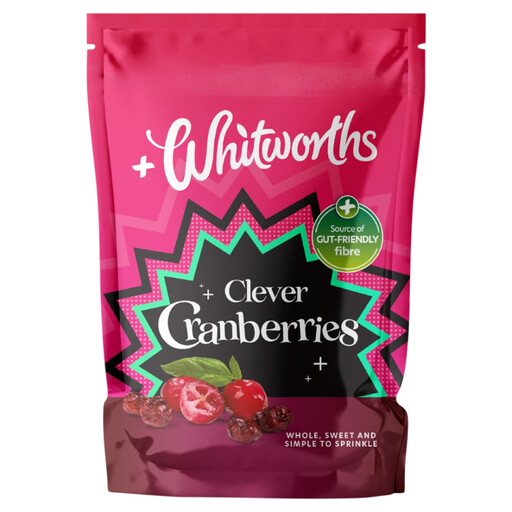
Why This Fits Their Persona: A compact option for shoppers starting with dried fruit for snacking, baking or adding to stuffing and breakfast dishes.
The listed ingredients make the presence of sugar and sunflower oil clear, avoiding assumptions based on the word “fruit” alone.
130g pack; suitable for snacking and recipes; provides 5.5g fibre per 100g according to the supplied nutrition information.

Why This Fits Their Persona: Designed for tropical fruit enthusiasts who want frozen durian pulp for desserts, smoothies or eating after thawing.
It is listed as 100% pure Musang King durian pulp, so there is no syrup or additional fruit blend to confuse the intended flavour.
400g pack; keep frozen at or below -18°C; portion only what you need and do not refreeze after thawing.
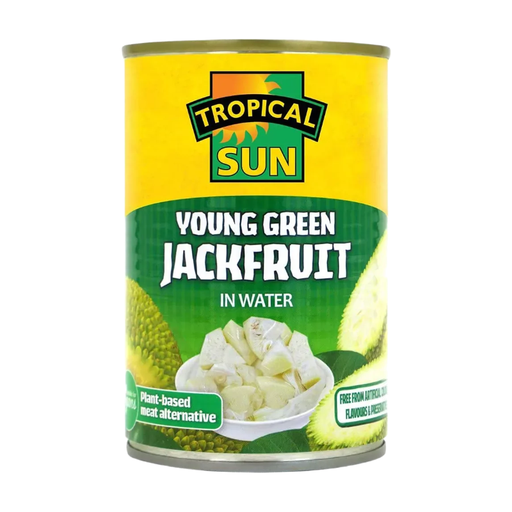
Why This Fits Their Persona: A useful cupboard ingredient for vegan tacos, curries, stir-fries and other Asian-inspired recipes.
The instructions clearly state that it needs draining, rinsing and cooking, rather than presenting it as an instant ready meal.
400g tin; listed as vegan-friendly and soy-free; contains 6g fibre per 100g according to the supplied nutrition information.

Why This Fits Their Persona: A practical frozen mix for smoothies, porridge, yoghurt, baking and desserts across the year.
The blend is clearly specified: strawberries, redcurrants, raspberries, blueberries and blackberries, rather than an undefined “summer fruit” mixture.
430g frozen pack; vegan-friendly according to the supplied description; an 80g portion is listed as providing 35% of the reference intake for vitamin C.
We have compiled a complete, real-time list of products that fully satisfy these strict selection criteria and UK safety regulations.
It depends on the product, pack size, delivery cost and how much waste you avoid. Compare the price per 100g, drained weight for tinned fruit and the number of usable portions. Larger packs of dried fruit or frozen fruit can be practical for regular users, while smaller packs may suit occasional shoppers.
Keep frozen fruit at the temperature stated on the packaging, commonly -18°C or below. Avoid leaving it at room temperature for extended periods. After thawing, follow the product instructions and do not refreeze products that specifically prohibit refreezing.
Fruit in syrup is packed in a sugar-based liquid, while fruit in juice uses fruit juice as the preserving liquid. Neither label alone determines whether the product suits your diet, so compare the ingredients, carbohydrate and sugar values per 100g. Once opened, refrigerate preserved fruit and follow the stated consumption period.
When you are ready to buy fruit online in the UK, start with the format, ingredients, storage requirements and intended use. That approach makes it easier to choose everyday dried fruit, frozen berries, tropical fruit or speciality fruit pulp without paying for features that do not match your kitchen routine.