
24/7 Customer Support

Free returns

Same-day & Next-day Delivery

Quality Guaranteed

Unlock Your Welcome Offers: FREE Delivery | Up to 80% OFF | Free 30-day JoyPlus trial
Download the APP
Navigating the world of gin can be overwhelming. Shelves are packed with bottles of every shape and colour, each promising a unique experience. But with so much choice, it's easy to fall into common traps, from paying a premium for marketing buzzwords to ending up with a spirit that's overly sweet or disappointingly bland. As a Joybuy Product Recommendation Officer, my role is to help you see past the hype and make an informed choice.
This guide will break down what really matters when you buy gin online UK, helping you avoid the pitfalls and find a bottle that genuinely suits your taste, whether you're stocking your home bar, searching for the perfect gin gift, or simply pouring a refreshing G&T after a long day.
Before we explore what to look for, let's highlight a couple of frequent missteps that can lead to buyer's remorse:
flavoured gin has brought exciting new tastes to the market. However, a common pitfall is choosing a bottle that relies on artificial flavourings and excessive sugar rather than a true infusion of natural ingredients. This often results in a cloying, unbalanced drink that masks the gin's botanical character. A quality flavoured gin should taste of the fruit or spice it promises, not just sweetness.To make a confident purchase, focus on these core parameters. They are the true indicators of a gin's character and quality.
The flavour of a gin comes from its botanicals—the blend of herbs, spices, fruits and roots used during distillation. While juniper must be the predominant flavour by law, the supporting botanicals define its style.
flavoured gin varieties.pink gin (often flavoured with strawberry or raspberry gin) to citrus-led spirits like blood orange gin. When choosing one, check the description for mentions of "natural flavours" or "infusions" as an indicator of quality over added sugars.The foundation of any gin is its neutral base spirit, typically made from grain. A smoother base spirit results in a cleaner-tasting final product. While most brands don't detail their base spirit, established names generally use a high-quality foundation.
ABV is also a crucial factor, especially for gin for cocktails. A gin with a higher ABV (40% and above) tends to have a richer flavour and holds its own better when mixed with tonic or other ingredients. Lower ABV gins can sometimes taste diluted in a cocktail.
To help you find the right match, here are a few recommendations tailored to different tastes and occasions.
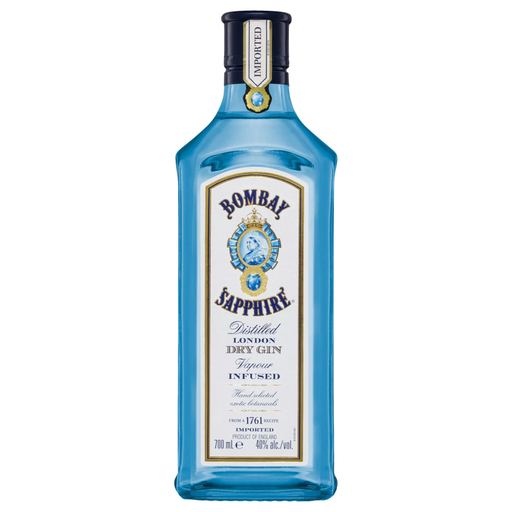
Why This Fits Their Persona: For those who appreciate a timeless classic, this London dry gin is a staple. Its balanced profile is perfect for a crisp, no-fuss gin and tonic, making it a reliable choice for any home bar in the UK.
As a true London Dry, its flavour comes entirely from its 10 botanicals during distillation. This avoids the sugar trap of lesser gins, ensuring a clean and authentic taste.
The vapour infusion process results in a brighter, more delicate botanical flavour. It offers a versatile and smooth profile with fresh citrus and juniper notes.
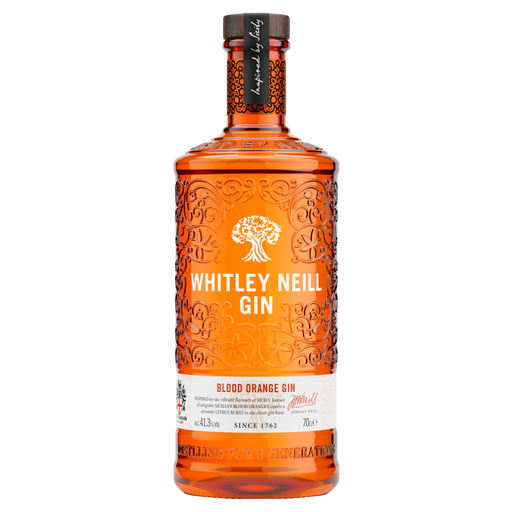
Why This Fits Their Persona: Ideal for those who enjoy a vibrant, contemporary twist. This blood orange gin offers a zesty and refreshing alternative to traditional profiles, perfect for sunny afternoons or lively social gatherings.
This gin uses natural blood orange flavourings to achieve its bright, citrus taste. It delivers an authentic fruit character without the artificial sweetness found in lower-quality flavoured gins.
It successfully balances the sweet, zesty notes of Sicilian blood oranges with the earthy warmth of juniper, creating a complex yet highly drinkable spirit.
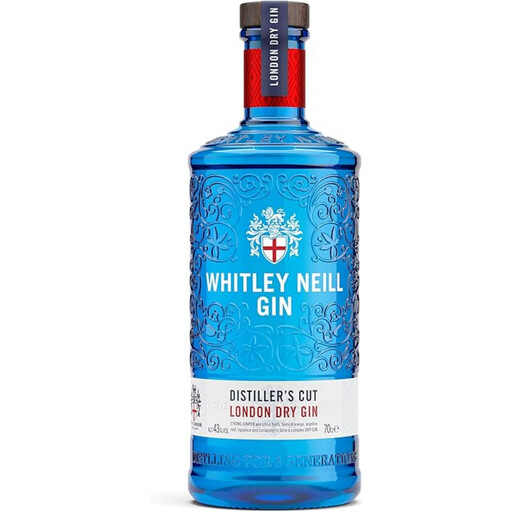
Why This Fits Their Persona: This is a superb gin for cocktails. It's a refined, juniper-forward expression crafted to stand up in classic drinks like a Negroni or a Dry Martini, where the gin's character needs to shine through.
It avoids the vague "craft" label by delivering a specific, functional benefit. It's not just a story; it's a gin with a focused, traditional profile purposefully designed for mixology.
A higher concentration of juniper and citrus gives it a bold and balanced flavour. The 43% ABV ensures its botanical notes are not lost when mixed with other strong ingredients.
We have compiled a complete, real-time list of products that fully satisfy these strict selection criteria and UK safety regulations.
The main difference lies in flavour and production. A London dry gin has a classic, juniper-led taste, and its flavour must come from botanicals added during distillation. Pink gin, on the other hand, is a distilled gin that has been flavoured after distillation, typically with red or pink fruits like strawberries, raspberries or rhubarb. This gives it a fruitier, often sweeter profile and its characteristic pink colour.
Gin is a stable spirit and does not spoil like wine. However, to preserve its delicate botanical aromas, you should store it in a cool, dark place away from direct sunlight. Keep the bottle upright and ensure the cap is sealed tightly to minimise oxidation, which can slowly dull the flavours over a very long period. There is no need to refrigerate it.
The garnish should complement the gin's botanicals. For a classic London dry gin like Bombay Sapphire gin, a wedge of lime or lemon is perfect. For a citrus-forward gin like a blood orange gin, a slice of fresh orange will enhance its flavour. With a raspberry gin, a few fresh raspberries and a sprig of mint work beautifully. Don't be afraid to match the garnish to the gin's primary flavour notes.