
24/7 Customer Support

Free returns

Same-day & Next-day Delivery

Quality Guaranteed

Unlock Your Welcome Offers: FREE Delivery | Up to 80% OFF | Free 30-day JoyPlus trial
Download the APP
Buying gin online in the UK should be straightforward, but product pages can make comparison difficult. Terms such as “premium”, “botanical” and “craft” may sound informative without explaining what you will actually receive. Bottle size, alcohol strength, allergens and the difference between gin and a spirit drink can also affect whether a product suits your needs.
This guide explains what to check before you buy gin online in the UK, whether you are shopping for a home bar, entertaining, cocktails or gifting. It also highlights selected bottles for different purchasing needs.
“Premium” is commonly used as a positioning term rather than a regulated quality grade. A higher price may reflect packaging, limited availability, production methods or a distinctive botanical recipe, but it does not automatically mean the flavour will suit your preferred serve.
Instead, check the ABV, stated botanicals, bottle size and recommended serves. A juniper-led London Dry Gin may work well in a Martini, while a fruit gin may be more suitable with tonic or lemonade.
Not every pink or fruit-flavoured bottle is technically gin. Some products are labelled as spirit drinks and may have a lower alcohol percentage or added sugar. This is not necessarily a problem, but it changes how the product compares with a traditional gin.
Read the front and back labels carefully. Look for the product category, alcohol by volume (ABV), ingredients and nutrition information before ordering.
A 1 litre bottle may offer a lower cost per 70cl equivalent, but it also contains more alcohol and may not be practical if you only drink occasionally. A standard 70cl bottle is often easier to store and can be more appropriate for gifting.
For reference:
UK Chief Medical Officers advise adults not to regularly exceed 14 units per week, spread over three or more days. Alcohol should be enjoyed responsibly and is not suitable during pregnancy. Online alcohol retailers must also apply age restrictions, with sale and supply prohibited to people under 18.
Choose gin 70cl when you want a manageable bottle for occasional use, a gift or a smaller home bar. Choose gin 1 litre when you regularly make gin and tonic, serve guests or want to stock a frequently used cocktail base.
Compare the cost per 100ml rather than relying only on the headline price. Also consider storage: spirits should generally be kept upright in a cool, dry place away from direct sunlight and heat.
Most traditional gins available in the UK sit around 37.5% to 43% ABV. A higher ABV can create a more pronounced alcohol presence, while the overall taste also depends on the botanical formula and serving method.
Check the stated units per bottle where available. This is particularly important when comparing a flavoured gin, a lower-strength spirit drink and a standard London Dry Gin.
Juniper is the defining flavour of gin, but other botanicals can shift the profile towards citrus, spice, floral, herbal or fruit notes. Before buying, consider:
Allergen information matters too. For example, Bombay Sapphire Dry Gin lists almonds and sulphites, while Copperfield Volume One Juniper Rich Gin lists sulphur dioxide and sulphites. Always check the current packaging because recipes and labelling can change.
The following cards match different shopping profiles rather than presenting one bottle as suitable for everyone.
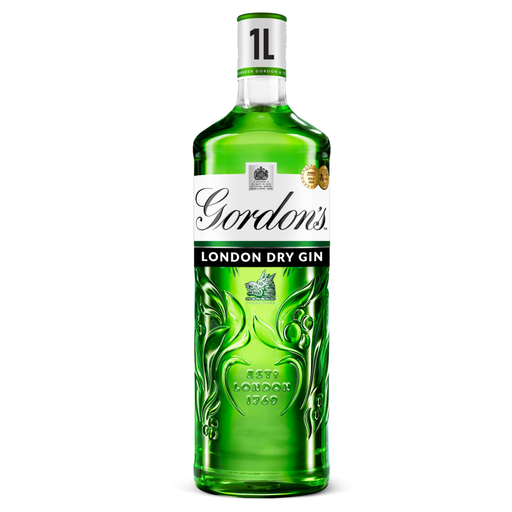
Why This Fits Their Persona: The 1 litre format suits shoppers who regularly make simple highballs or gin and tonic at home and want more volume per bottle.
The listed 37.5% ABV and 1 litre net quantity make the comparison clearer than relying on promotional wording alone.
Large 1L format; suitable for tonic, soda, citrus serves and classic cocktails.
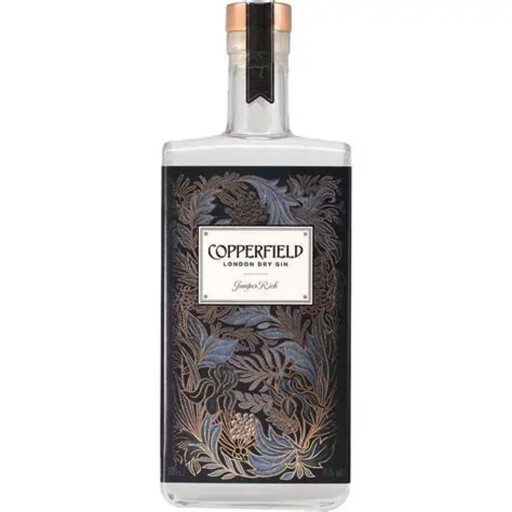
Why This Fits Their Persona: This 70cl bottle is aimed at drinkers who prioritise a juniper-forward profile for sipping or structured cocktails.
Its stated ingredient list identifies juniper, lemon peel, angelica, orris, cardamom and other botanicals rather than using only broad flavour descriptions.
40% ABV; juniper-led profile; suitable for a Martini, Negroni or a classic gin and tonic.
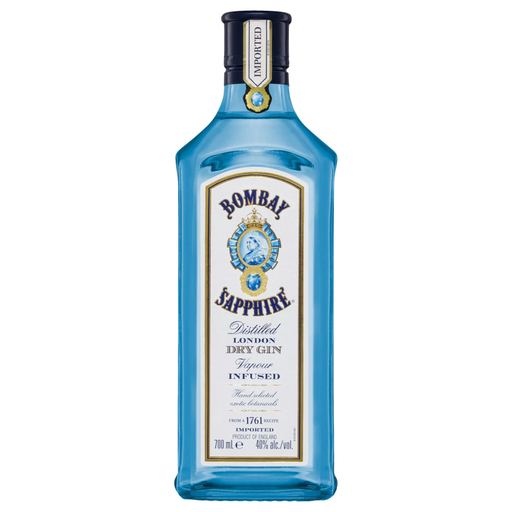
Why This Fits Their Persona: A 70cl bottle with citrus, juniper and spice notes can fit a small-footprint home bar and a range of classic cocktail recipes.
The listing provides a 40% ABV, 70cl volume and named botanicals, helping you assess the bottle beyond its presentation.
Vapour-infused botanical description; recyclable bottle; contains almonds and sulphites, which are clearly listed.
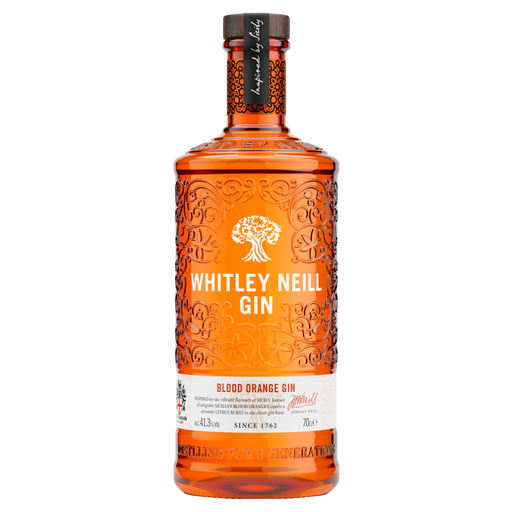
Why This Fits Their Persona: The fruit-led profile and gift-friendly 70cl format suit shoppers who want an alternative to a traditional juniper-dominant bottle.
The product information identifies blood orange flavouring, 41.3% ABV and 70cl volume, rather than leaving the taste profile to the bottle design.
Citrus-forward style; 41.3% ABV; listed allergens are none, subject to the current packaging.
We have compiled a complete, real-time list of products that fully satisfy these strict selection criteria and UK safety regulations.
For a gin and tonic, match the garnish and mixer to the main flavour. Citrus gins can work with orange or grapefruit, while a juniper-rich gin may suit a neutral tonic and lemon peel.
For cocktails, choose according to the recipe:
For a gin gift, check bottle presentation, flavour familiarity and recipient preferences. A traditional London Dry Gin may be safer for a classic cocktail drinker, while a botanical gin or fruit gin can offer a more distinctive option.
Yes, adults aged 18 and over can buy gin online from a retailer that complies with UK licensing and age-verification requirements. You may need to confirm your age during checkout or delivery. Do not purchase alcohol for anyone under 18.
Unopened gin can generally be stored for a long period when kept upright, sealed and away from light and heat. After opening, air exposure may gradually reduce delicate citrus, floral or spice notes. For the intended flavour, keep the cap tightly closed and follow any storage guidance on the label.
It can offer a lower price per 100ml, but compare the full cost, ABV and alcohol units before deciding. A 1 litre bottle makes sense for regular home-bar use or entertaining; a 70cl bottle may be more practical for occasional drinking or gifting.