
24/7 Customer Support

Free returns

Same-day & Next-day Delivery

Quality Guaranteed

Unlock Your Welcome Offers: FREE Delivery | Up to 80% OFF | Free 30-day JoyPlus trial
Download the APP
When you buy gin online UK shoppers face more than a choice between familiar labels. Bottle size, alcohol strength, flavouring, serving style and delivery terms can all affect whether a purchase suits your home bar or ends up gathering dust.
Marketing language can also make comparison difficult. A “premium gin” may simply refer to presentation or botanical ingredients, while a pink gin may be a flavoured spirit drink rather than a traditional London Dry gin. Use the checks below to compare products by practical details rather than packaging claims.
Traditional gin is normally juniper-led, while flavoured gin can introduce fruit, citrus, spice or floral notes. A gin liqueur generally has a lower alcohol strength and may be sweeter. Ready-to-drink formats, such as a ready-to-drink gin and tonic, are already mixed and should be assessed by alcohol units per can or pack.
These categories are not interchangeable. A raspberry gin liqueur may work well over ice or in a cocktail, but it will not provide the same dry, juniper-forward profile as a London Dry gin.
A 70cl gin is a familiar size for occasional drinking, gifting or a small home bar. A 1 litre gin can be more practical for frequent entertaining, but the larger bottle does not automatically offer better value. Compare the price per 100ml and the alcohol strength before choosing.
Also consider storage. A large bottle may be inconvenient if you have limited cupboard space, while an open bottle can gradually lose some delicate aroma through repeated exposure to air.
Pink or fruit-coloured gin may contain strawberry, raspberry, cherry or other flavourings. Colour alone does not tell you whether the drink is dry, sweet, juniper-forward or suitable for a particular cocktail. Read the ingredients, ABV, serving suggestions and nutritional information where provided.
In the UK, gin sold as gin generally has an alcohol strength of at least 37.5% ABV. Many classic and craft gin bottles sit at around 40–43% ABV, while liqueurs and mixed drinks can be considerably lower.
Alcohol units are calculated using:
Volume in millilitres × ABV ÷ 1,000 = UK units
For example, a 70cl bottle at 40% ABV contains approximately 28 units. A 250ml can at 5% ABV contains 1.25 units. Checking units helps you plan servings responsibly and compare different formats fairly. UK Chief Medical Officers advise adults not to regularly exceed 14 units per week, spread over three or more days.
For a single drinker or occasional cocktail maker, 70cl is usually an easy quantity to manage. For parties, frequent gin and tonic serves or a larger home bar, a 1 litre bottle may reduce the need to reorder. For convenience outdoors or at informal gatherings, RTD cans remove the need to carry a bottle, glassware and mixer separately.
Before ordering, check the product page for 18+ age restrictions, allergens, storage instructions, delivery coverage and any available age-verification requirements.
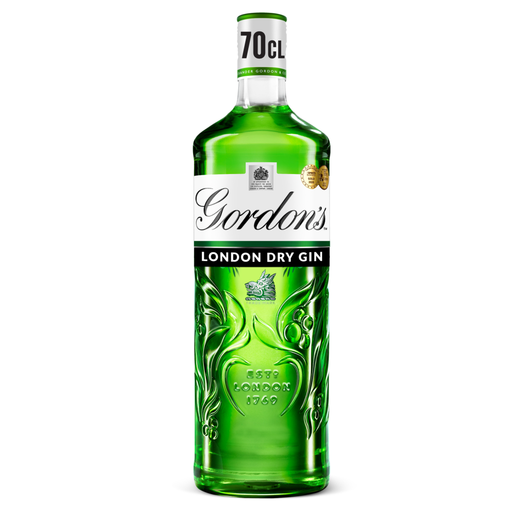
Why This Fits Their Persona: A familiar 70cl format suits first-time buyers building a basic home bar or trying classic gin and tonic serves without committing to a larger bottle.
The listed 37.5% ABV and 70cl quantity make the strength and volume clear before purchase, rather than relying on bottle appearance.
70cl bottle; 37.5% ABV; suitable for simple mixed serves and classic cocktails.
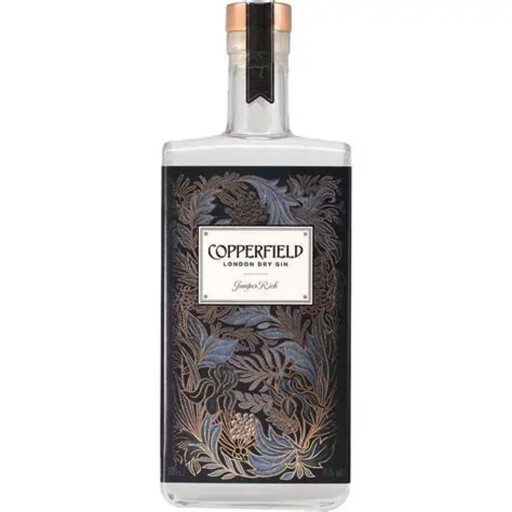
Why This Fits Their Persona: Its stated juniper-forward profile, 40% ABV and named botanicals appeal to shoppers comparing a classic London Dry-style bottle for sipping and cocktails.
The product information identifies the botanical ingredients and serving styles, helping you assess flavour rather than judge solely by premium positioning.
40% ABV; 28 units per 70cl bottle; juniper, citrus, floral and spice botanicals listed.

Why This Fits Their Persona: Strawberry flavour and a pink appearance suit shoppers planning fruity gin and tonic serves, spritzes or informal gatherings.
The listing states the strawberry flavour, botanical base, 37.5% ABV and 26.25 units, so colour is not the only buying signal.
70cl format; natural strawberry flavour listed; suitable for vegetarian and vegan shoppers according to the product information.
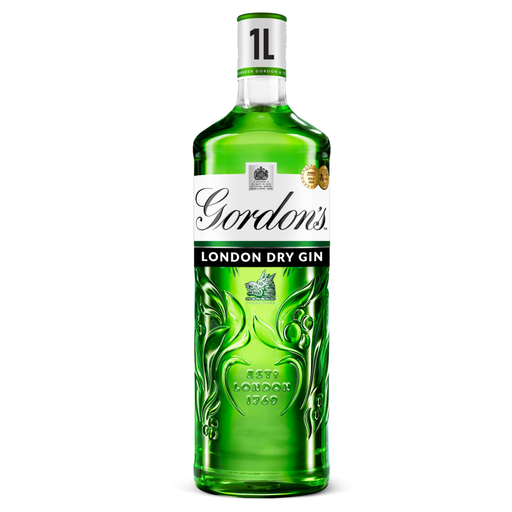
Why This Fits Their Persona: The 1 litre quantity is suited to regular home-bar use, larger gatherings and shoppers who prefer fewer repeat purchases.
The larger size is clearly stated, allowing buyers to compare the cost per 100ml with smaller bottles before ordering.
1 litre quantity; 37.5% ABV; suitable for highballs, gin and tonic and cocktail mixing.
We have compiled a complete, real-time list of products that fully satisfy these strict selection criteria and UK safety regulations.
Yes, alcohol may be sold online to adults aged 18 and over, subject to the retailer’s checks and delivery procedures. You may need to provide proof of age at checkout or delivery. Always drink responsibly, never drink and drive, and avoid alcohol during pregnancy.
Properly stored gin does not usually spoil quickly. Keep it upright, tightly sealed and away from heat and direct sunlight. Over time, air exposure can reduce delicate citrus, floral or fruit aromas, so flavoured gin and craft gin are generally more enjoyable when consumed while their intended character remains clear.
Not necessarily. Calculate the price per 100ml and compare the ABV before deciding. A 1 litre bottle may suit frequent hosts, but a 70cl bottle can be more practical for occasional use, gifting or limited storage.