
24/7 Customer Support

Free returns

Same-day & Next-day Delivery

Quality Guaranteed

Unlock Your Welcome Offers: FREE Delivery | Up to 80% OFF | Free 30-day JoyPlus trial
Download the APP
As a Joybuy Product Recommendation Officer, my role is to help you navigate the crowded shelves and make informed choices. The world of gin has exploded in recent years, with an overwhelming variety of bottles all vying for your attention. While this choice is exciting, it also creates pitfalls for the unwary shopper. Before you decide to buy gin online, let's look at the common traps that can lead to a disappointing purchase.
To sidestep these issues, focus on a few key technical details. Understanding these will empower you to see past the marketing and choose a genuinely good bottle.
The production method has a significant impact on the final taste. The main types you'll encounter are:
The heart of any gin is its botanical recipe. A quality gin will be transparent about its key ingredients, such as juniper, coriander seed, angelica root and various citrus peels or spices. When looking at a citrus gin or berry gin, check the label. Does it mention infusion with real fruit, or does it just list "natural flavourings"? While not always a bad sign, the latter can be a broad term for compounds that mimic fruit taste rather than using the fruit itself.
In the UK, a spirit must have a minimum ABV of 37.5% to be legally called "gin". Many premium gin and traditional expressions are bottled at 40% ABV or higher. A higher alcohol content can often carry the oils from the botanicals more effectively, leading to a richer and more complex flavour profile. It's not a universal rule for quality, but it's a factor worth noting, especially if you plan on using the gin in cocktails where you want the flavour to stand out.
Instead of a generic list, we've matched specific gins to different preferences and uses, helping you find the right bottle for your needs.
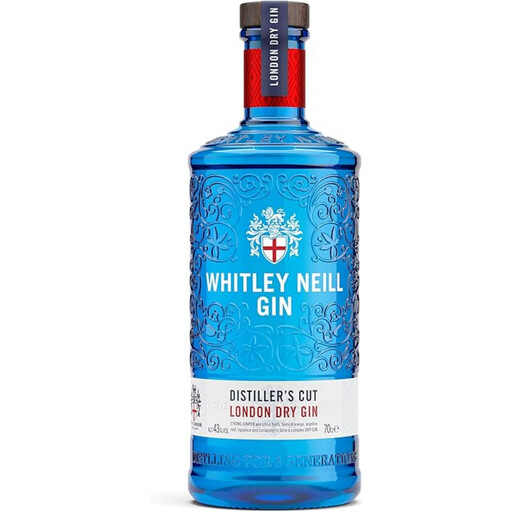
Why This Fits Their Persona: This person needs a reliable, high-quality workhorse for their home bar. The Distiller's Cut is a classic London Dry style, crafted with a focus on a traditional botanical blend of juniper and citrus, making it exceptionally versatile for a G&T, Martini or Negroni.
It sidesteps the vague "craft" label by focusing on a specific production choice—a "Distiller's Cut"—which prioritises a refined, juniper-forward profile over marketing buzzwords.
Its 41.3% ABV and pronounced juniper and citrus notes ensure it holds its own against mixers, providing a crisp and classic gin character in any cocktail.

Why This Fits Their Persona: For those who enjoy modern, vibrant gins but want authentic flavour. This gin is perfect for sunny afternoons, spritzes and anyone looking for a refreshing, fruit-forward experience that feels sophisticated, not sugary.
It avoids the pink gin sugar trap by using an infusion of real Sicilian pink grapefruits and Italian lemons. The product description confirms its colour is from natural fruit pigments, with no artificial additives.
Delivers a genuinely zesty and juicy pink grapefruit flavour that is balanced and refreshing, not cloying. Its 41% ABV gives it enough backbone to stand up in a G&T or a spritz.
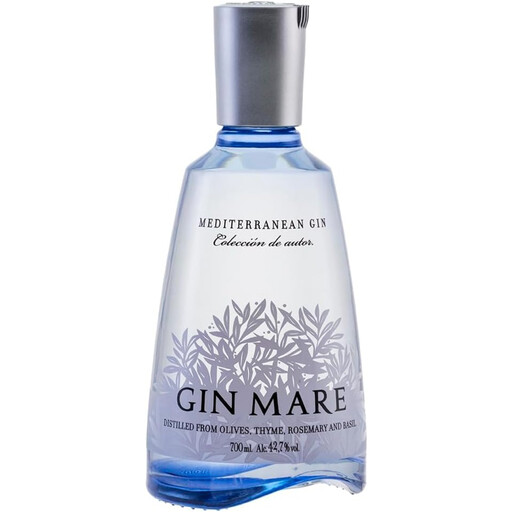
Why This Fits Their Persona: This drinker has moved beyond standard citrus and floral profiles and seeks complexity. Gin Mare is a Mediterranean gin with a unique savoury character, ideal for sipping or for a G&T that pairs well with food. It's a statement bottle for those with a discerning palate.
It justifies its premium price not with vague marketing but with a genuinely unique production process, independently distilling its four signature botanicals (Arbequina olives, thyme, rosemary, basil) to create a complex, layered spirit.
Offers a distinct savoury and herbal profile that stands apart from the vast majority of gins on the market. The 42.7% ABV ensures its unique character shines through, even when mixed.
We have compiled a complete, real-time list of products that fully satisfy these strict selection criteria and UK safety regulations.
The main difference is in the production process. For a spirit to be called London Dry Gin, all its flavour must come from botanicals that are distilled along with the neutral grain spirit. Nothing can be added after distillation except water. For other 'distilled gins', flavourings and sweeteners can be added after the distillation is complete. This is why many flavoured gin and pink gin products are labelled as 'Distilled Gin' rather than 'London Dry'.
Unlike wine, gin does not mature in the bottle. It should be stored upright in a cool, dark place, away from direct sunlight and temperature fluctuations, which can degrade the volatile oils from the botanicals over time. Once opened, the flavour will slowly start to change due to oxidation. While it won't "go off," it is generally a good idea to consume an opened bottle within a year for the intended flavour experience.
Not necessarily. Price can be influenced by many factors, including marketing budgets, bottle design and small-batch production costs, which don't always correlate directly with the quality of the liquid inside. A well-made gin from a larger, reputable distillery can often offer better value and consistency than a poorly made, expensive "craft" product. Use the core parameters—distillation method, botanical transparency and base spirit quality—as your guide, not just the price tag or a trendy label.