
24/7 Customer Support

Free returns

Same-day & Next-day Delivery

Quality Guaranteed

Unlock Your Welcome Offers: FREE Delivery | Up to 80% OFF | Free 30-day JoyPlus trial
Download the APP
From the comforting chew of mango sticky rice to the delicate wrapper of a dim sum dumpling, glutinous rice is the secret behind some of Asia’s most beloved dishes. Yet, for many UK home cooks, buying it can be a confusing experience. The name itself is a common trip-up—it refers to the rice's glue-like stickiness when cooked, not the presence of gluten. In fact, glutinous rice is entirely gluten-free.
As a Joybuy Product Recommendation Officer, I see where shoppers often go wrong. Navigating the world of sticky rice shouldn't be a challenge. This guide will help you understand the key differences and avoid common pitfalls, ensuring you choose the right product for your culinary adventures.
Many shoppers, both new and experienced, can make simple mistakes that impact their cooking. Here are the most frequent issues to watch out for:
To ensure you get exactly what you need, focus on these three non-negotiable parameters.
Your recipe dictates the form you need. Understanding the purpose of each is the first step to success.
The colour of the rice indicates a difference in flavour, texture and nutritional profile.
While subtle, the origin can influence the grain's characteristics. Thai glutinous rice is typically long-grain and is the classic choice for mango sticky rice. Chinese varieties are often shorter-grain and are widely used for zongzi and other traditional dishes. When you buy glutinous rice, checking the origin can help you match it more closely to a specific regional recipe.
To help you find the right fit, here are some recommendations matched to different cooking styles and needs.
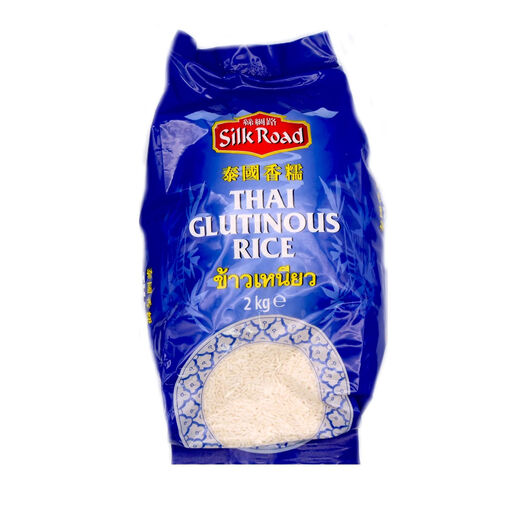
Why This Fits Their Persona: This large 2kg bag is ideal for the home cook who regularly prepares authentic Asian meals. It provides a reliable, high-quality staple for everything from savoury rice dishes to festive desserts, ensuring you always have the core ingredient on hand.
This is 100% pure glutinous rice grain, eliminating the risk of accidentally buying flour or the wrong type of rice. It's the correct foundational ingredient for countless traditional recipes.
A versatile, large-format bag that offers great value for regular use. The grains cook to a perfect chewy texture, suitable for both sweet and savoury applications.
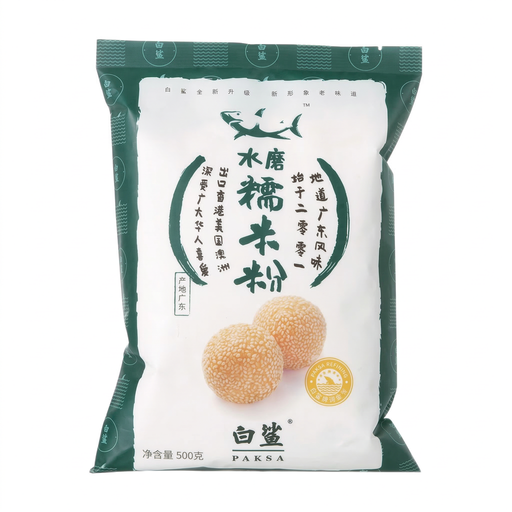
Why This Fits Their Persona: For anyone passionate about making delicate desserts like mochi, tangyuan or rice cakes, the quality of the flour is paramount. This product is specifically designed for that purpose, offering a superior texture for baking.
This is the correct flour form, preventing the pitfall of using whole grains for baking. The "water-milled" process ensures an ultra-fine consistency that standard grinding cannot achieve.
Produces an exceptionally smooth, soft and elastic texture in finished desserts. It is 100% pure glutinous rice, with no other additives.
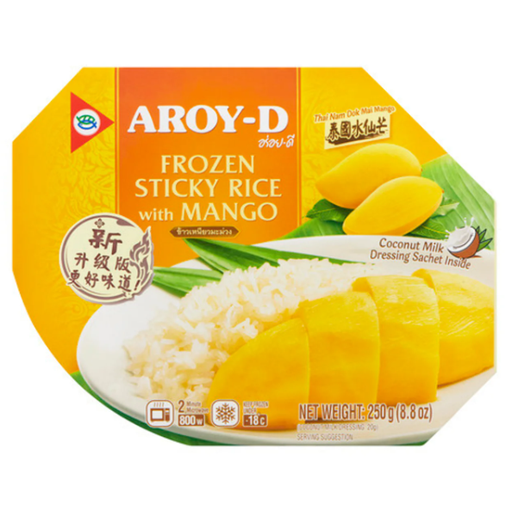
Why This Fits Their Persona: For busy professionals, students or anyone craving an authentic Thai dessert without the hours of soaking and steaming rice. This provides a restaurant-quality experience straight from the freezer.
It completely bypasses the need to select and prepare raw ingredients. This ready-made dessert ensures perfect results every time, removing any guesswork.
Ultimate convenience—simply thaw and serve. It uses authentic ingredients like Namdokmai mango for a genuine flavour profile.
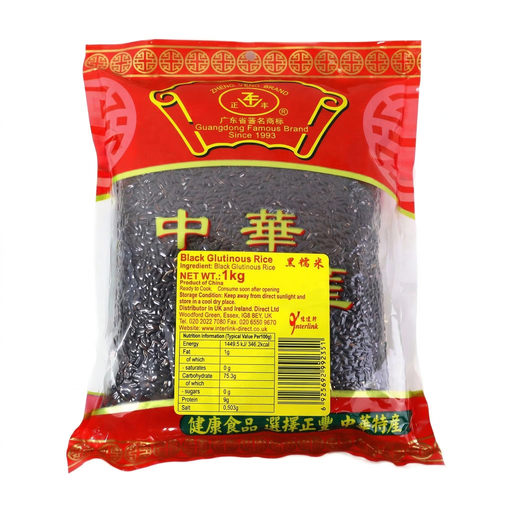
Why This Fits Their Persona: For those who love to experiment with new ingredients, black glutinous rice offers a completely different sensory experience. Its nutty flavour and striking colour open up a new range of possibilities for desserts and savoury dishes.
This product directly addresses the pitfall of not knowing about different rice varieties. It encourages exploration beyond the standard white sticky rice, broadening a cook's repertoire.
A natural whole grain with a unique nutty taste and firm, chewy texture. It adds a dramatic visual element and deeper flavour to puddings and mixed rice dishes.
We have compiled a complete, real-time list of products that fully satisfy these strict selection criteria and UK safety regulations.
No, they are different. While both are short-grain rice varieties that are sticky, they have different levels of stickiness. Glutinous rice contains a very high amount of a starch called amylopectin, which makes it extremely sticky and chewy when cooked. Sushi rice has a balance of amylopectin and another starch, amylose, which makes it just sticky enough to hold its shape but not as dense or gluey as glutinous rice.
For whole grains, yes. Soaking is a crucial step that should not be skipped. It allows the grains to absorb water evenly, which ensures they steam to a tender, translucent and uniformly chewy texture. Without soaking, the rice can cook unevenly, with some parts remaining hard and uncooked. A minimum of 4 hours is recommended, but overnight is often better.
Yes, absolutely. The term "glutinous" is a reference to the glue-like, sticky quality of the rice after cooking, not the gluten protein found in wheat, barley and rye. It is a safe and popular ingredient in gluten-free baking and cooking, prized for its ability to create a chewy texture.