
24/7 Customer Support

Free returns

Same-day & Next-day Delivery

Quality Guaranteed

Unlock Your Welcome Offers: FREE Delivery | Up to 80% OFF | Free 30-day JoyPlus trial
Download the APP
From the comforting chew of a warm zongzi to the sweet delight of mango sticky rice, glutinous rice is the heart of many of East and Southeast Asia's most cherished dishes. Yet, for many UK home cooks, the journey to buy glutinous rice can be confusing. The wrong purchase can lead to culinary disappointment, turning an exciting recipe into a sticky mess.
As the Joybuy Product Recommendation Officer, my role is to help you navigate the options. We will look past the marketing and focus on what truly matters, ensuring you get the right product for your kitchen, whether you are a seasoned cook or simply craving a convenient taste of Asia.
Before you add anything to your basket, be aware of these common traps that can waste both time and money:
To make a confident choice, focus on these two key parameters.
The type of glutinous rice you choose will define your dish. The most common options are:
Your available time and culinary ambition should guide this choice.
To help you choose, we have matched some standout options to different needs and cooking styles.
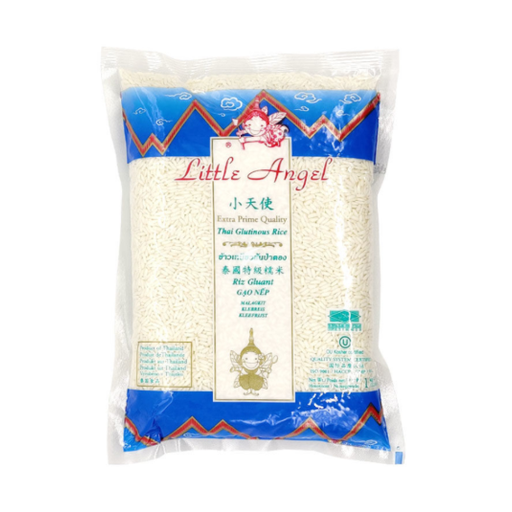
Why This Fits Their Persona: For those who want to create authentic Southeast Asian dishes from scratch, this is the foundational ingredient. It provides the perfect canvas for both sweet and savoury recipes, from Thai desserts to the filling for Chinese zongzi.
This is clearly labelled as Thai glutinous rice, ensuring you avoid the "wrong rice" pitfall and get the correct grain for an authentic chewy texture.
A versatile, high-quality white glutinous rice from Thailand, known for producing a consistently soft, sticky and slightly sweet result when steamed correctly.
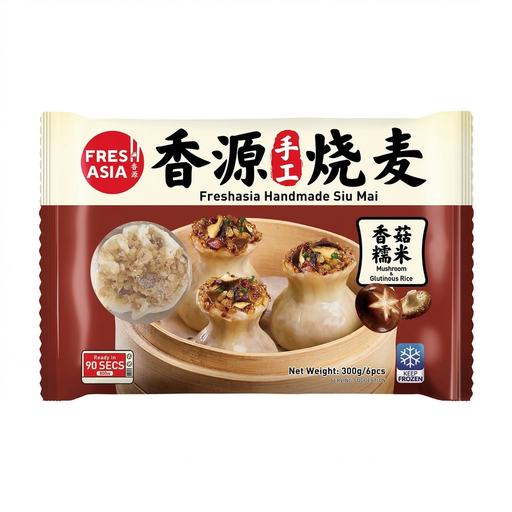
Why This Fits Their Persona: Perfect for anyone who loves the taste of authentic dim sum but doesn't have the time for complex preparation. It provides a restaurant-quality experience at home, ready in minutes from the freezer.
This product completely bypasses the "too much effort" pitfall. It is a fully prepared frozen dim sum item that only requires steaming, delivering authentic flavour with minimal work.
Features a classic combination of mushroom and glutinous rice with a rich aroma. The shumai are individually quick-frozen to preserve freshness and texture.
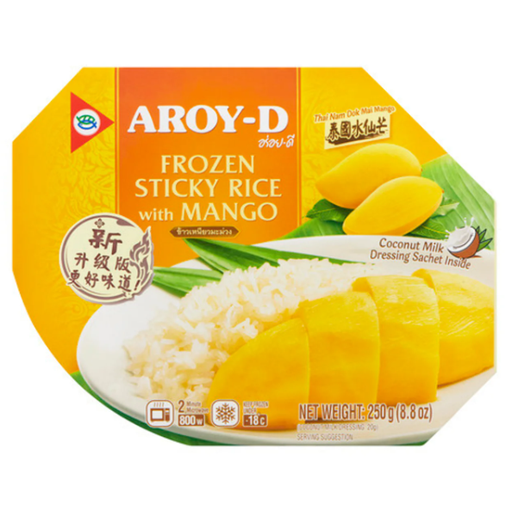
Why This Fits Their Persona: This is the ultimate solution for anyone craving Thailand's most iconic dessert without any of the preparation. It is a complete, ready-to-eat treat that captures the authentic taste of sweet mango, sticky rice and rich coconut cream.
It eliminates all potential pitfalls. The rice is perfectly cooked, the proportions are correct and there is no need for soaking or steaming. It is a foolproof way to enjoy mango sticky rice.
Made with authentic ingredients, including sweet Namdokmai mango. Simply thaw and serve for an instant, high-quality dessert experience.
We have compiled a complete, real-time list of products that fully satisfy these strict selection criteria and UK safety regulations.
1. Do I really need to soak glutinous rice before cooking? Yes, this step is non-negotiable for raw glutinous rice grains. Soaking for at least four hours (or overnight) allows the grains to hydrate evenly. This ensures that when you steam the rice, it cooks through to a tender, chewy consistency rather than having a hard centre. Attempting to boil it like regular rice will result in a starchy, porridge-like mush.
2. What is the difference between glutinous rice and sushi rice? While both are known for being sticky, they are from different rice families and are not interchangeable. Glutinous rice (or sweet rice) has a very high content of a starch called amylopectin, which gives it its signature super-sticky, chewy and cohesive texture. Sushi rice is a type of short-grain japonica rice that becomes sticky when cooked, but it retains a much softer, individual grain structure. You cannot use sushi rice to make traditional mango sticky rice or zongzi.
3. How should I store uncooked glutinous rice? To maintain its quality, store uncooked glutinous rice in an airtight container in a cool, dry place, such as a pantry. This protects it from moisture, which can affect its texture and prevents pests. When stored correctly, it has a long shelf life.