
24/7 Customer Support

Free returns

Same-day & Next-day Delivery

Quality Guaranteed

Unlock Your Welcome Offers: FREE Delivery | Up to 80% OFF | Free 30-day JoyPlus trial
Download the APP
Buying food online can save a trip to the supermarket, but a large catalogue does not automatically make every basket good value. UK shoppers need to compare pack sizes, storage requirements, ingredients and delivery practicality before placing an order.
Whether you are arranging family food delivery, topping up food cupboard essentials or looking for convenient online grocery shopping, the following checks can help you avoid common purchasing mistakes.
A larger pack may appear cheaper, but only if your household will use it before quality declines. This matters particularly with sauces, mayonnaise, snacks and baking ingredients. A 775g jar of mayonnaise may suit a large family, while a smaller bottle could be more practical for occasional use.
Compare the price per 100g or per portion, not just the headline price. Multipacks can also be misleading when individual portions are very small.
Frozen food needs freezer space immediately after delivery. Products such as McCain chips and hash browns should be kept at -18°C or below and should not be refrozen after thawing. Ordering several frozen products without checking freezer capacity can create waste and food-safety concerns.
Ambient products are easier to store, but opened items may still require refrigeration. For example, canned petit pois should be transferred to a non-metallic container, refrigerated and used within two days of opening.
Terms such as “natural”, “high fibre”, “no added sugar” or “suitable for” need context. Read the ingredient list, allergen statement and nutrition table. A fruit snack may contain no added sugar but still contain naturally occurring sugars. Similarly, fortified breakfast cereals may provide vitamins and minerals while also containing added sugar.
For supplements, check dosage, warnings, allergens and interactions. Food supplements should not replace a balanced diet, and anyone who is pregnant, taking medication or managing a medical condition should seek appropriate medical advice before use.
UK food labels must identify regulated allergens, generally using clear emphasis in the ingredients list. Check for ingredients such as wheat, gluten, egg, mustard, milk, soya, nuts and sulphites, especially when buying for children or people with allergies.
Examples from the available range include:
Recipes and packaging can change, so always confirm the label supplied with the product before consumption.
The UK nutrition panel usually provides values per 100g, with some products also showing a serving guide. Use both figures sensibly. A 30g cereal serving may look modest compared with a typical bowl, while a 15g condiment serving may be smaller than the amount you normally use.
For instance, Propercorn Sweet & Salty provides 65 kcal per 14g serving, whereas the full nutritional profile is listed per 100g. This helps compare snacks fairly with crisps, biscuits and other cupboard options.
Before ordering, confirm:
These checks are useful across breakfast cereals, snacks, sauces and condiments, baking ingredients and frozen food.
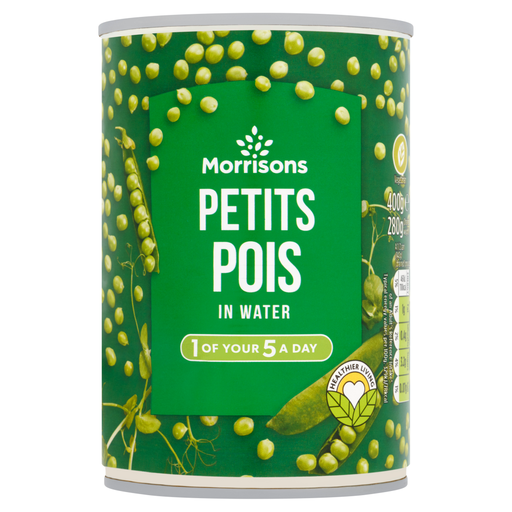
Why This Fits Their Persona: A straightforward ambient vegetable option for smaller households, first-time online shoppers and anyone building low-effort food cupboard essentials.
The 400g can is easier to plan than a large multipack, while the product page provides storage and opening guidance.
Suitable for vegetarians; ingredients list contains petits pois and water; one half-can serving is described as two portions.
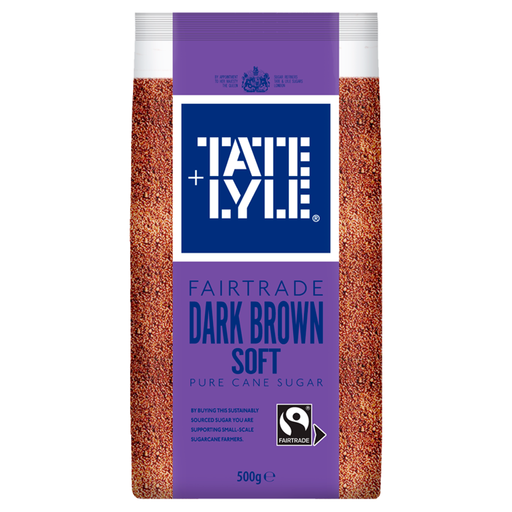
Why This Fits Their Persona: A practical baking ingredient for shoppers who want a moist, dark sugar for gingerbread, fruit cakes, puddings and rich sauces.
The ingredient declaration identifies dark soft brown cane sugar at 100%, allowing buyers to assess the product rather than rely on vague baking language.
500g format; soft, moist texture; store in a cool, dry place and seal tightly to reduce hardening.
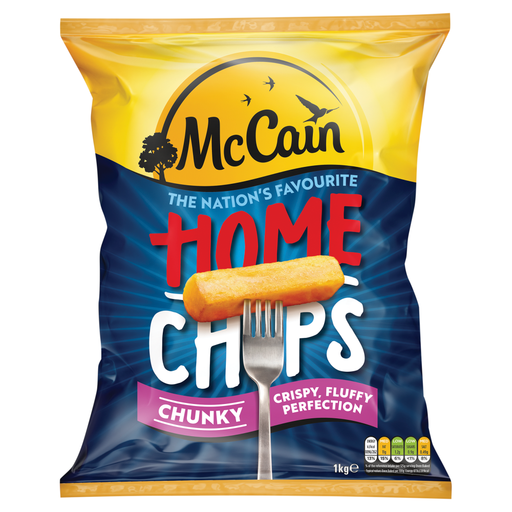
Why This Fits Their Persona: A larger frozen pack for families, regular chip meals and households with enough freezer space for planned stock-up shopping.
The product listing gives freezer storage and oven guidance, helping buyers plan around the key frozen-food requirement.
1kg quantity; suitable for vegans; cooking guidance covers oven preparation and requires the chips to be piping hot throughout.
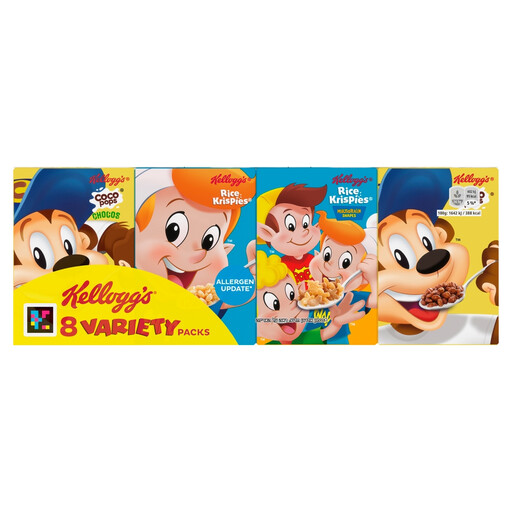
Why This Fits Their Persona: Individually portioned breakfast cereals can simplify school mornings, lunchboxes and households where family members prefer different flavours.
The variety format reduces the risk of buying one large cereal box that some household members may not eat.
Eight variety packs; convenient individual portions; allergen information advises that wheat and barley are present.
We have compiled a complete, real-time list of products that fully satisfy these strict selection criteria and UK safety regulations.
It depends on the basket, delivery charge and purchasing habits. Online shopping can reduce impulse purchases and make unit-price comparisons easier, but a delivery fee or minimum order may affect the total. Building a planned basket around household staples can improve value.
Shelf life varies by product and delivery batch. Ambient cereals, sugar and canned vegetables generally offer more storage flexibility, while opened mayonnaise and similar condiments may require refrigeration and quicker use. Check the best-before date and storage instructions on arrival.
Confirm pack sizes, allergens, nutrition information, dietary suitability and preparation requirements. Families should also check freezer capacity when ordering frozen food and consider individually portioned snacks or cereals for lunchboxes and busy mornings.