
24/7 Customer Support

Free returns

Same-day & Next-day Delivery

Quality Guaranteed

Unlock Your Welcome Offers: FREE Delivery | Up to 80% OFF | Free 30-day JoyPlus trial
Download the APP
As a Product Recommendation Officer, I often see people navigating the crowded aisles of herbal teas and spices, trying to distinguish genuine quality from clever marketing. Whether you're a home cook seeking authentic culinary herbs or someone looking for a soothing wellness tea, the choices can be overwhelming. This guide is designed to help you cut through the clutter, avoid common purchasing mistakes and find products that deliver on their promise of flavour and function.
Many well-intentioned purchases end in disappointment. Here are a few frequent traps that UK shoppers fall into:
organic herbal infusions only to have them lose their vibrancy within weeks of opening.To ensure you get what you pay for, focus on these core parameters before making a purchase.
The quality of your tea or spice is directly linked to its physical form.
sleep support tea like chamomile or a robust digestion tea.mixed herbs for cooking blend should list the herbs themselves (e.g., thyme, rosemary, marjoram) at the top, not salt or other fillers. For individual spices like fenugreek leaves or turmeric and ginger, the vibrancy of the colour and the strength of the aroma are good indicators of freshness. When buying natural spices UK sourced, look for brands that are transparent about their harvesting and drying processes.Herbal products can be broadly divided into single-ingredient items and functional blends.
organic herbal infusions crafted with a specific goal in mind. A blend for sleep might combine chamomile, valerian and lavender. A digestion tea could mix fennel, mint and ginger. When choosing a blend, check that the ingredients logically support the stated purpose and are present in meaningful quantities.To help you choose, we've matched some reliable products to different user needs, keeping the common pitfalls in mind.
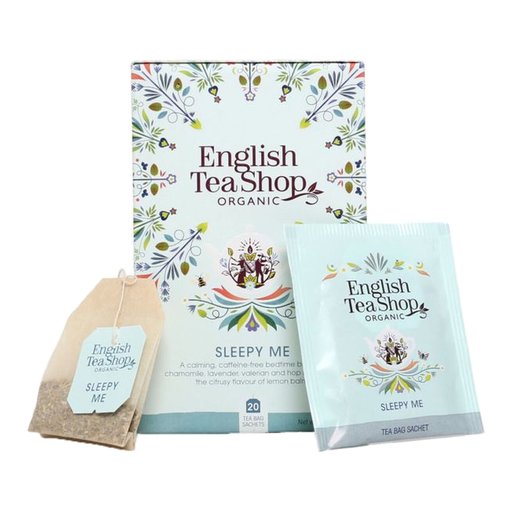
Why This Fits Their Persona: This is for the person who needs a simple, reliable way to unwind after a long day. The convenience of a tea bag format means no fuss, making it easy to build into a nightly routine for relaxation and better sleep preparation.
It sidesteps the "flavouring" trap by using a high percentage of real, organic chamomile (62%), lavender buds and valerian root, not artificial additives or dust.
A certified organic and naturally caffeine-free tea. The blend contains herbs traditionally associated with relaxation, making it a purposeful sleep support tea.
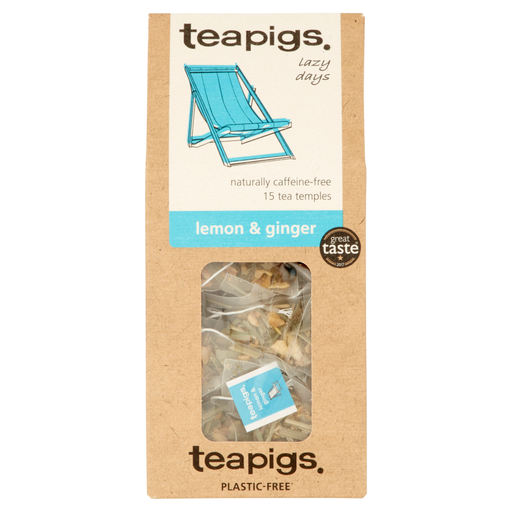
Why This Fits Their Persona: Perfect for someone seeking a functional, invigorating brew. This blend is a popular choice for those looking to support digestion or simply enjoy a warming, zesty cup. It's a go-to for a morning kick-start or a soothing post-meal drink.
It avoids the "dust" problem by using large, whole-leaf ingredients (ginger, lemongrass, lemon peel) in spacious "tea temples," ensuring a potent and flavourful infusion.
A high percentage of real ginger (65%) provides a genuinely fiery and aromatic experience. The brand is a certified B Corp, appealing to ethically-minded consumers.

Why This Fits Their Persona: This is a kitchen staple for the enthusiastic cook who values quality and convenience. It's a versatile blend that can be used in everything from Italian sauces and shepherd's pie to roasted vegetables and marinades, saving space and money.
The ingredient list is simple and pure: Marjoram, Thyme, Parsley and Rosemary. There are no hidden fillers, salt or anti-caking agents, ensuring you get 100% potent culinary herbs.
From Suma, a well-regarded wholefoods cooperative, this blend offers a reliable and flavourful foundation for a wide range of dishes. It's a classic mixed herbs for cooking blend.
We have compiled a complete, real-time list of products that fully satisfy these strict selection criteria and UK safety regulations.
1. What is the difference between herbal tea and regular tea? Regular teas (black, green, white and oolong) all come from the leaves of the Camellia sinensis plant and naturally contain caffeine. Herbal teas, also known as tisanes or organic herbal infusions, are made from a wide variety of other plants, including flowers, roots, seeds and leaves. As a result, most herbal teas are naturally caffeine-free tea.
2. How can I tell if my dried herbs and spices are still fresh? Use your senses. Fresh, potent herbs and spices should have a strong, distinct aroma when you open the container. Their colour should also be vibrant—dull, faded green herbs or pale brown spices have likely lost their potency. If they have clumped together, it's a sign of moisture exposure, which can lead to a loss of flavour.
3. Are loose-leaf teas a better choice than tea bags? It often comes down to a trade-off between quality and convenience. Loose-leaf teas typically consist of higher-grade, whole leaves that provide a more complex and nuanced flavour. However, they require more preparation. High-quality tea bags, particularly the pyramid or "temple" style, can offer a good compromise, providing enough space for larger leaf pieces to infuse properly while still being convenient.