
24/7 Customer Support

Free returns

Same-day & Next-day Delivery

Quality Guaranteed

Unlock Your Welcome Offers: FREE Delivery | Up to 80% OFF | Free 30-day JoyPlus trial
Download the APP
Buying herbs and spices online can make it easier to stock up on everyday essentials and discover seasonings from around the world. However, attractive packaging and broad flavour descriptions do not always tell you what you need to know. Before you buy herbs and spices online in the UK, check the ingredient list, pack size, storage advice and intended use.
Whether you are preparing curries, soups, stews, grilled dishes, marinades or plant-based meals, a little product information can help you avoid waste and choose seasonings that suit your kitchen.
A product labelled “coriander” may contain only ground coriander seeds, while a coriander seasoning could also include salt, garlic, flour, flavour enhancers or other spices. These products behave differently in recipes.
For example, a pure ground spice gives you control over salt and flavour balance. A seasoning mix is more convenient but may already contain a considerable amount of salt. Always read the full ingredients panel rather than relying on the front label.
Larger packs can appear economical, but ground spices and dried herbs gradually lose aroma once opened. If you only cook with dried tarragon, bay leaves or Japanese seven spice occasionally, a smaller pack may help prevent stale ingredients and unnecessary waste.
Larger quantities make more sense for frequently used ingredients such as coriander powder, curry spices, mixed herbs or vegan seasonings.
International blends can include ingredients that are easy to miss when shopping quickly. Suya pepper mix may contain peanuts, Cajun seasoning can contain mustard, and Japanese seven spice may include black sesame seeds.
If you are buying vegetarian spices or vegan seasonings, check the packaging and allergen statement for the specific product. Do not rely solely on a product category or a recipe description, as formulations can vary.
The ingredient list is the clearest way to distinguish pure spices, dried herbs, spice blends and seasoning mixes. For example, a pure coriander powder should list ground coriander as the ingredient, whereas a garlic and coriander seasoning may contain salt, flour, garlic, coriander and anti-caking agents.
Salt content is particularly important for blends. A seasoning with salt near the top of the ingredients list should be added gradually, especially when cooking soups, stews or marinades.
Match the quantity to how often you cook the relevant dishes:
Also check whether the packaging is resealable. A resealable bag or tightly closing jar can help protect contents from humidity and kitchen odours.
Most ambient herbs and spices should be stored in a cool, dry place away from direct sunlight. After opening, close the container securely or transfer the contents to an airtight jar. Moisture can cause clumping and may affect aroma.
Check the best-before date on arrival and inspect the seal or packaging before use. Do not use a product if the pack is damaged or its contents show signs of mould, infestation or an unusual smell.
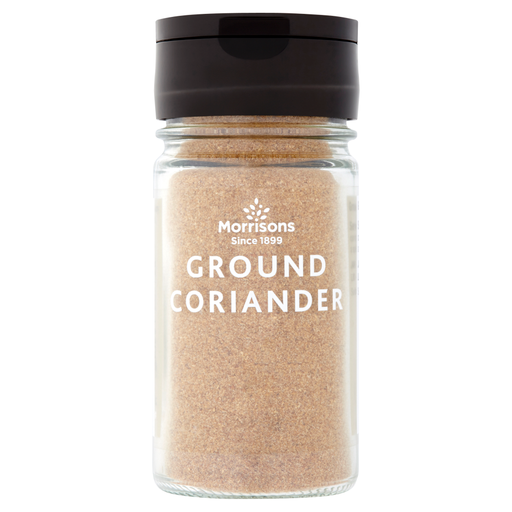
Why This Fits Their Persona: A manageable 36g pack suits new cooks building a cupboard of curry spices without committing to a large quantity.
The listed product name identifies it as ground coriander, helping shoppers distinguish a single spice from a salted seasoning blend.
36g net content; suitable for vegetarians; useful in stews, curries and spice blends.
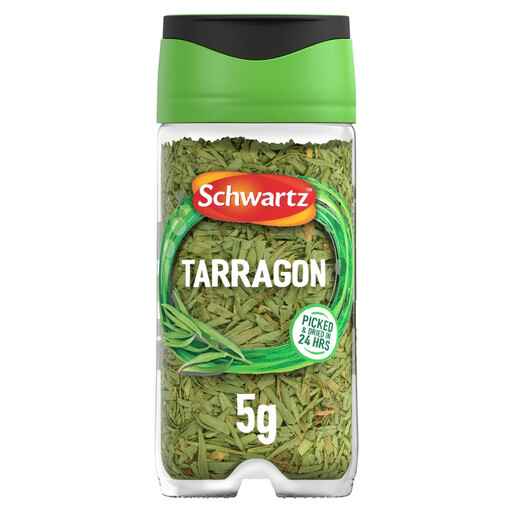
Why This Fits Their Persona: This focused herb suits cooks who want a distinctive French-style ingredient for sauces, poultry, fish and roasted vegetables.
It is listed as 100% dried tarragon, rather than a broad mixed-herb product with undisclosed proportions.
5g pack; no listed allergens; suitable for sauces, casseroles and dressings.
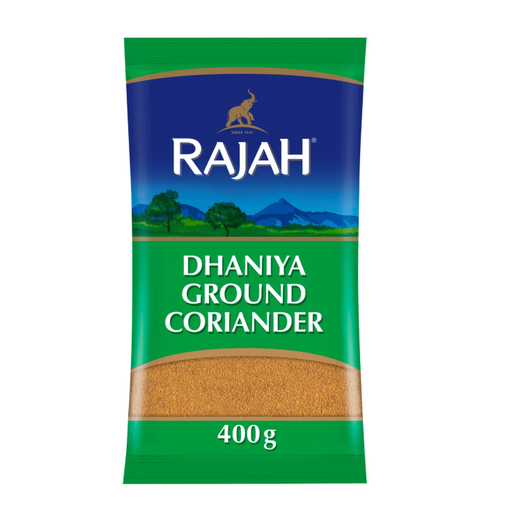
Why This Fits Their Persona: The larger format is suited to households that regularly prepare curries, dhal, marinades or homemade masala blends.
The ingredient is identified as ground coriander, with no artificial colours, flavours or additives listed in the product information.
400g pack; suitable for vegetarians; designed for direct use in curries, stews and spice blends.
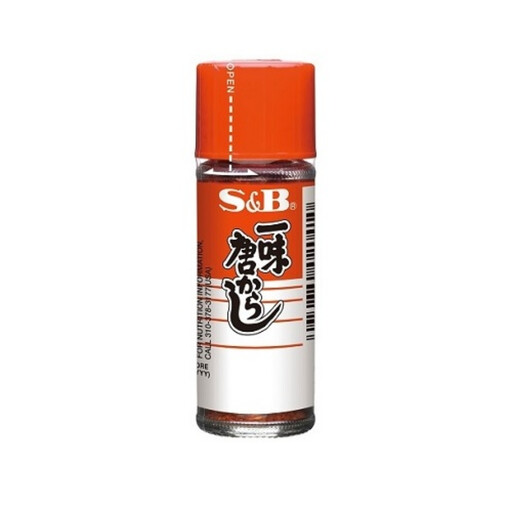
Why This Fits Their Persona: A compact Japanese seven spice blend works for shoppers who want to add variety to noodles, tofu, rice, grilled dishes and soups.
The listed ingredients show the blend includes red pepper, citrus peel, seaweed, sesame and other seeds, making the flavour profile clear before purchase.
15g pack; suitable for sprinkling; black sesame seeds are clearly identified as an allergen.
Many dried herbs and individual spices are naturally suitable for plant-based meals, but seasoning mixes require closer inspection. Garlic and coriander seasoning, harissa spice blend, Cajun seasoning and suya pepper mix can contain salt, flour, flavour enhancers or allergenic ingredients.
For vegan cooking, use pure ingredients where possible and confirm the label on blended products. Bay leaves can deepen soups and bean stews, while mixed herbs work well with roast vegetables, pasta sauces and lentils. Mustard seeds add texture and warmth when fried briefly in oil before adding other ingredients.
We have compiled a complete, real-time list of products that fully satisfy these strict selection criteria and UK safety regulations.
Use the best-before date as your guide and follow the storage instructions on the pack. Their aroma may gradually weaken after opening, particularly if exposed to heat, light or moisture. Buying a suitable pack size and sealing it properly can help maintain flavour.
Online shopping can make it easier to compare pack sizes, ingredients and multi-pack formats in one place. Compare the price per 100g, not only the headline price, and consider whether you will use the full quantity before its best-before date.
Ground coriander, cumin, paprika, turmeric, mustard seeds, mixed herbs, bay leaves and Japanese seven spice can add variety to vegetables, pulses, noodles and grains. Check each seasoning mix separately for salt, dairy-derived ingredients and allergen information.