
24/7 Customer Support

Free returns

Same-day & Next-day Delivery

Quality Guaranteed

Unlock Your Welcome Offers: FREE Delivery | Up to 80% OFF | Free 30-day JoyPlus trial
Download the APP
Buying household appliances and frozen seafood online can save time, but product pages do not always make the most important details easy to compare. UK shoppers may focus on a low price or an attractive headline while overlooking installation requirements, usable capacity, storage conditions or the difference between gross and net weight.
This guide explains what to check before you buy, with practical options for renters, families, home cooks, seafood enthusiasts and heavier users.
A cooker advertised as compact may still require a specific electrical connection, while a dehumidifier marketed for a large room may reach its stated extraction rate only under particular temperature and humidity conditions.
Check the full specification, including:
Frozen prawns may include the head and shell, ice glazing or packaging weight. For example, the Eagle listing specifies 1kg with 600g net weight, so it should not be compared directly with a 1kg peeled product on a price-per-kilogram basis.
Head-on shell-on prawns also require preparation after thawing. They can deliver flavourful cooking juices and attractive presentation, but the usable meat weight will be lower than the pack weight.
A dehumidifier’s “20L/day” figure is a maximum capacity measured in stated conditions, not necessarily the amount collected in a cool UK bedroom. Semiconductor models can suit a small footprint, but compressor models are generally more appropriate when a larger room has persistent moisture.
Likewise, a cooker’s energy rating does not remove the need for correct hard-wiring, ventilation and installation by a suitably qualified person.
For a compact kitchen, a 50cm electric cooker can fit more easily than a standard wider model. Measure the gap carefully, including skirting boards and nearby worktops. The Midea MFO20DME4H109-WH measures 90cm high × 50cm wide × 60cm deep and has a 52-litre single oven.
This Midea freestanding electric cooker uses a 7.6kW total connected load and hard-wired power supply. It is not a plug-in appliance, so installation should be planned before delivery. Its conventional or static oven uses top and bottom heating elements, while the four-zone sealed solid plate electric cooker hob provides a straightforward option for boiling, frying and simmering.
For a bedroom, office or small flat, a portable dehumidifier with a modest extraction rate may be easier to store and move. The CONOPU CS13 is specified for rooms up to 20㎡, with a 3-litre tank, a maximum stated extraction of 800ml per day and an approximate noise level of 30dB.
For basements, larger living rooms or regular indoor laundry drying, compare this with a 20L dehumidifier for large rooms. The HUMSURE model is specified for spaces up to 50m², has a 2.8-litre tank, a continuous drainage hose and auto-defrost functionality. Continuous drainage can reduce the need to empty the tank, provided the hose can run safely to a suitable outlet.
A dehumidifier for damp and mould should be used alongside ventilation, heating and investigation of leaks or structural damp. It is not a substitute for repairing the source of moisture.
Prawn counts such as 16–20 per kg or 20–30 per kg indicate approximate size: fewer prawns per kilogram generally means larger individual pieces. A 20–30 count may suit curries, grills and family portions, while larger 16–20 prawns can make a more prominent centrepiece.
Also compare:
The listings below include frozen head-on shell-on prawns, raw Vannamei prawns, Ecuadorian prawns and products described as tiger prawns. Always read the supplied label for the latest ingredient and allergen information.
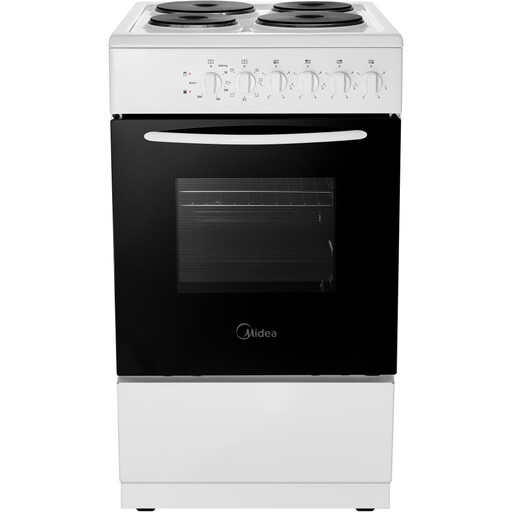
Why This Fits Their Persona: Its 50cm width suits smaller UK kitchens, flats and rental properties where a full-width cooker may not fit.
The listed dimensions, 52L capacity and 7.6kW hard-wired requirement make space and installation planning clearer than relying on a compact-design headline.
Four sealed solid plates, easy-clean enamel and removable inner oven glass.

Why This Fits Their Persona: Ecuadorian prawns in a head-on shell-on format suit cooks who value presentation, stocks and whole-prawn recipes.
The listing states the 20–30 count, Ecuadorian origin, sulphite ingredient and -18°C storage requirement, helping buyers compare like for like.
Quick-frozen 1kg pack with head and shell retained for grilling, boiling, sauces and stock.
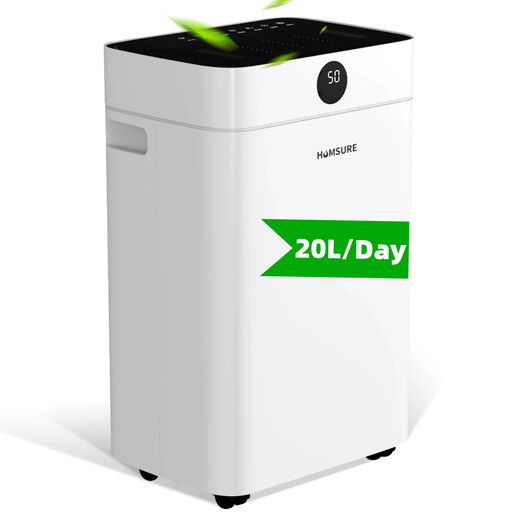
Why This Fits Their Persona: Larger households, basement users and people drying laundry indoors may benefit from the stated 50m² coverage and drainage hose.
It offers both tank collection and continuous drainage, while the stated test condition for 20L/day clarifies why real-world collection may differ.
2.8L tank, auto-defrost, washable filter, 24-hour timer and castors for movement between rooms.

Why This Fits Their Persona: IQF raw Vannamei prawns allow households to remove portions as needed for stir-fries, curries, barbecues and tapas-style meals.
The product details identify the 20–30 count, 1kg quantity, Ecuadorian origin, allergens and cooking guidance rather than only using a size label.
IQF format supports portion control; the prawns are suitable for several cooking methods after thorough thawing.
We have compiled a complete, real-time list of products that fully satisfy these strict selection criteria and UK safety regulations.
Running cost depends on the appliance’s wattage, daily operating time and electricity tariff. The CONOPU CS13 listing states approximately 1.3kWh per day, but actual usage varies with mode and conditions. A larger compressor dehumidifier may remove more moisture but can use more electricity, so compare the stated power input with the room’s needs rather than choosing by extraction rate alone.
A cooker with a hard-wired 7.6kW supply should be connected by a suitably qualified installer. Before ordering, confirm the property has an appropriate circuit, earthing and isolation arrangement. Renters should also obtain the landlord’s permission where required.
Keep frozen prawns at -18°C or below and thaw them in the refrigerator or according to the pack instructions. Do not refreeze once thawed. Raw prawns should be cooked thoroughly until piping hot and opaque throughout; follow the product’s stated temperature and time guidance. Check the label carefully if anyone eating the meal has a crustacean or sulphite allergy.