
24/7 Customer Support

Free returns

Same-day & Next-day Delivery

Quality Guaranteed

Unlock Your Welcome Offers: FREE Delivery | Up to 80% OFF | Free 30-day JoyPlus trial
Download the APP
Navigating the world of honey online can be surprisingly sticky. From everyday breakfast toppers to potent New Zealand Manuka, the choices are vast and so are the pitfalls. Many shoppers find themselves paying a premium for a product that doesn't match their needs, or worse, is not what the label implies. As the Joybuy Product Recommendation Officer, my role is to help you see past the marketing buzz and make a confident choice.
Before you add a jar to your basket, let's look at two common traps that can lead to a disappointing purchase:
raw honey UK may have been lightly heated or filtered, which can affect their properties. It's important to understand what you're getting, rather than relying on a single marketing term.To ensure you get the right honey for your porridge, tea or wellness routine, focus on these key parameters.
The first choice is often about texture and flavour profile.
Manuka honey is a monofloral honey from the Manuka bush in New Zealand honey.If you're buying Manuka for its reputed wellness properties, understanding its grading system is crucial.
For general use as a natural sweetener, a lower MGO (40-70+) is perfectly suitable. For those seeking daily honey for immune support, a mid-range MGO of 100+ to 250+ is a popular choice.
Finally, consider how you'll use it.
squeezy honey bottle offers mess-free convenience, making it a family favourite for drizzling over pancakes, porridge or into drinks.To make things simpler, we've matched some popular options to different household needs.
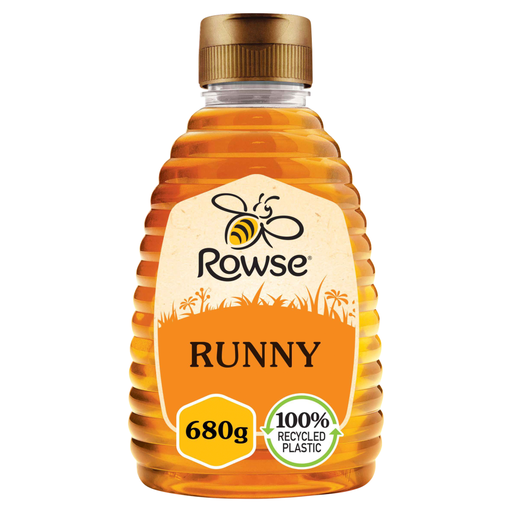
Why This Fits Their Persona: Perfect for busy households needing a quick, no-mess natural sweetener for breakfast cereals, toast and tea. The large 680g size offers great value for daily consumption.
This product is straightforward. It doesn't pretend to be a high-potency wellness product, so you avoid overpaying for features you don't need for everyday use.
Unbeatable convenience with the squeezy, non-drip cap. A consistent, mild flavour that is versatile for cooking and drinks.
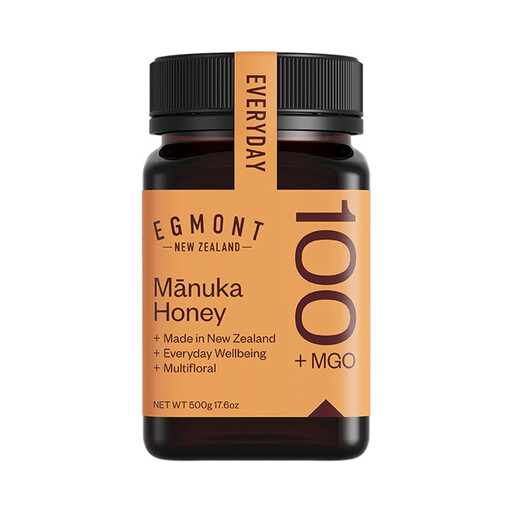
Why This Fits Their Persona: An excellent choice for those wanting to incorporate the properties of Manuka honey into their daily routine. The MGO 100+ rating offers a good balance of potency and value for consistent wellness support.
It has a clear, independently certified MGO 100+ rating. This avoids the trap of buying a vaguely labelled "Manuka" product, ensuring you get the certified potency you are paying for.
Certified potency at a reasonable price point. The 500g jar is economical for daily use and its raw, multifloral nature provides a rich flavour.

Why This Fits Their Persona: For those who want a high-potency Manuka honey for targeted use. The monofloral source and high MGO rating are what discerning buyers look for when prioritising quality over cost.
This product's certified MGO 250+ and monofloral status provide complete transparency, ensuring you are not buying a low-grade or blended honey masquerading as a premium product.
High, certified MGO potency for those seeking maximum properties. Sourced solely from the Manuka plant for a pure, rich and creamy product.
We have compiled a complete, real-time list of products that fully satisfy these strict selection criteria and UK safety regulations.
It depends on your intended use.
Not at all. This is a natural process called crystallisation and is a sign of authentic, natural honey. It does not affect the quality. To return it to a liquid state, simply stand the jar in a bowl of warm (not boiling) water for a short time until the crystals dissolve.
No. The NHS and food safety authorities advise that honey should not be given to infants under 12 months of age. This is due to the small risk of bacteria that can cause a serious illness called infant botulism. Always check product labels for safety information.