
24/7 Customer Support

Free returns

Same-day & Next-day Delivery

Quality Guaranteed

Unlock Your Welcome Offers: FREE Delivery | Up to 80% OFF | Free 30-day JoyPlus trial
Download the APP
Navigating the world of honey can be surprisingly complex. Staring at a shelf—or a webpage—filled with options from runny clear honey to thick set honey and the famously pricey Manuka honey, it’s easy to feel a bit stuck. You might be asking yourself: Is a higher price tag always a sign of better quality? What do all those numbers on the Manuka jars actually mean?
As the Joybuy Product Recommendation Officer, my role is to help you see past the marketing jargon. Many shoppers end up paying a premium for features they don't need or buying a product that doesn't suit their daily routine. Let's look at a couple of common pitfalls to avoid when you buy honey online.
natural sweetener.squeezy honey and to prevent crystallisation, but it can alter the honey's natural state. This isn't necessarily bad, but it's different from raw honey, which is left unpasteurised.To make a confident choice, focus on these three core parameters. They will help you match the right honey to your needs, whether it's for your morning tea or a targeted wellness routine.
The physical form of honey dictates how you'll use it day-to-day.
squeezy honey bottles.raw honey is that it is unpasteurised. This means it hasn't been heated to high temperatures, helping to preserve more of its natural enzymes and pollen. It can be either clear or set and is often preferred by health-conscious consumers.The taste and properties of honey are directly influenced by the flowers the bees visited.
If you're interested in Manuka honey, understanding its grading system is crucial. The most common one is MGO (Methylglyoxal), a naturally occurring compound that is measured to indicate its potency.
Egmont honey and Rowse honey offer accessible options in this range.Instead of a one-size-fits-all approach, we've matched a few standout products to different shopper profiles.
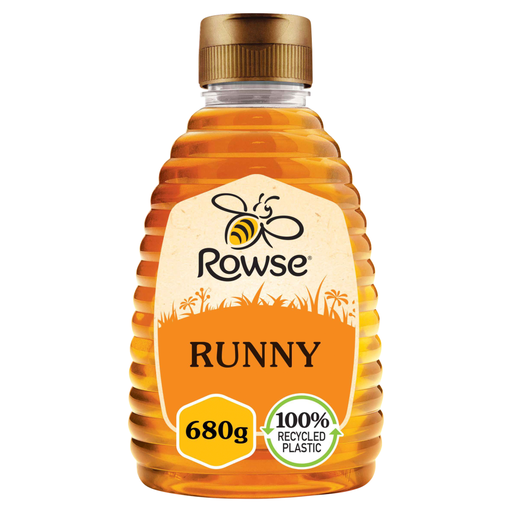
Why This Fits Their Persona: This is the quintessential family-friendly honey. The large 680g squeezy bottle is perfect for busy mornings, offering a quick, no-mess way to sweeten porridge, toast and tea for the whole family.
It avoids the "MGO Maze" entirely. This is an honest, everyday clear honey that doesn't make claims it can't support. Its value is in its convenience and versatility as a natural sweetener, not in complex potency ratings.
The mess-free squeezy format is its biggest plus. The large size also offers excellent value for households that use honey regularly.

Why This Fits Their Persona: For someone curious about the benefits of Manuka without committing to a high price point. This MGO 100+ raw honey is a great entry point for adding a wellness-focused boost to a daily routine.
This product helps you navigate the "MGO Maze" sensibly. It provides a certified MGO rating that offers a step up from standard honey, but at a much more accessible price than high-grade alternatives, preventing unnecessary spending.
It's both raw and MGO 100+ certified. This combination ensures you get an unpasteurised product with a guaranteed level of methylglyoxal, offering a good balance of natural quality and measured potency.

Why This Fits Their Persona: This user is specifically seeking a potent Manuka honey for a targeted daily wellness routine. The MGO 250+ rating provides a significant concentration of active compounds, and its monofloral origin ensures purity.
It avoids the "Pure but Processed" trap by being a certified, monofloral and raw product. The label is transparent about its origin and potency, so you know you are paying for a specific, high-quality product, not just a generic blend.
The combination of a certified MGO 250+ rating and its monofloral source provides confidence in its authenticity and potency. The thick, creamy texture is also ideal for coating the throat.
We have compiled a complete, real-time list of products that fully satisfy these strict selection criteria and UK safety regulations.
This is a natural process called crystallisation and it is a sign of authentic, unprocessed honey. It is not spoiled. It happens more quickly in raw honey and set honey. To return it to a liquid state, simply stand the jar in a bowl of warm (not boiling) water for a few minutes and stir gently.
This depends entirely on your needs. For everyday sweetening in drinks or on toast, a standard clear honey is far more economical. However, if you are specifically looking for the properties associated with its MGO content for daily wellness support, a certified MGO honey can be a worthwhile investment. If you're new to it, starting with a lower MGO grade (like 70+ or 100+) is a sensible way to see if it fits your lifestyle.
No. Official NHS and food safety advice is clear: do not give honey to infants under 12 months of age. This is because of a small but serious risk of a type of food poisoning known as infant botulism, which can be caused by spores sometimes found in honey.