
24/7 Customer Support

Free returns

Same-day & Next-day Delivery

Quality Guaranteed

Unlock Your Welcome Offers: FREE Delivery | Up to 80% OFF | Free 30-day JoyPlus trial
Download the APP
Navigating the world of honey online can feel surprisingly complex. From everyday squeezy bottles to premium jars of Manuka with cryptic codes on the label, it’s easy to feel lost or, worse, pay a premium for a product that doesn’t suit your needs. As a Joybuy Product Recommendation Officer, my role is to help you see past the marketing buzz and focus on what truly matters.
Many shoppers find themselves caught in a few common traps. They might overspend on high-potency Manuka honey for their morning toast when a simple, pure honey would do. Others are left confused by labels, unsure if "pure" also means "raw" or what the numbers on the jar actually signify. This guide will help you understand the key differences so you can choose the right honey with confidence.
Before adding a jar to your basket, be aware of these two frequent misunderstandings that can lead to a disappointing purchase.
To make an informed choice, focus on these three practical parameters. They will help you match the honey to your specific needs, whether for daily wellness or culinary use.
This is perhaps the most significant distinction.
The nectar source defines the honey's flavour, colour and properties.
For those specifically looking to buy Manuka honey online in the UK, understanding the MGO (Methylglyoxal) rating is crucial. MGO is the naturally occurring compound that gives Manuka honey its unique antibacterial properties. The number on the jar (e.g., MGO 100+) indicates the minimum guaranteed concentration in mg/kg.
Based on these criteria, here are a few recommendations tailored to different needs and households across the UK.
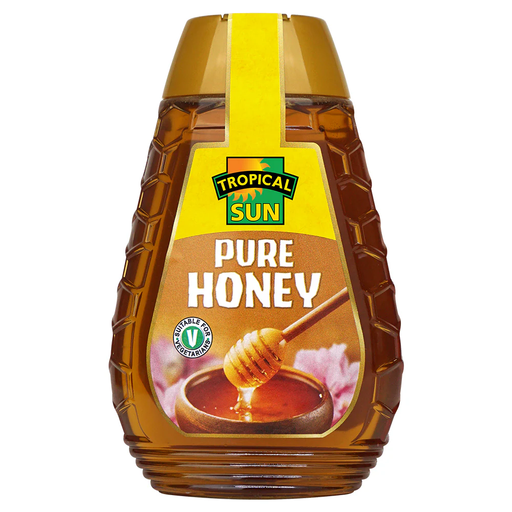
Why This Fits Their Persona: Perfect for busy households, this squeezy honey offers a no-mess solution for breakfast time. Its mild, sweet flavour is ideal for drizzling on pancakes, toast or stirring into tea without overpowering it, making it a family-friendly pantry staple.
It avoids the trap of overpaying for potency you don't need. This is an honest, convenient table honey that doesn't pretend to be a high-strength wellness product, delivering exactly what it promises: a simple, tasty sweetener.
Recognised with a Great Taste Award, its quality is acknowledged. The squeezy bottle design ensures easy, clean dispensing for all ages.

Why This Fits Their Persona: This is an excellent entry point into the world of Manuka. The MGO 100+ rating offers a noticeable step up from standard honey for daily wellness, while its multifloral nature and raw, unpasteurised state provide a rich flavour and retain natural enzymes.
It provides a certified MGO rating, so you know exactly what you are paying for, avoiding the vague "active" labels. As a multifloral blend, it's more affordable than high-grade monofloral options, preventing you from overspending on a potency not required for daily use.
It's a raw honey, ensuring it is unpasteurised. The certified MGO 100+ rating guarantees a minimum level of methylglyoxal for daily support.

Why This Fits Their Persona: For the user who wants potent, high-quality Manuka for targeted wellness. The MGO 250+ rating indicates a high concentration of active compounds, and its monofloral status means it's sourced purely from the Manuka bush for maximum potency.
This product's price is justified by its verifiable specifications. The clear MGO 250+ certification and monofloral source provide transparency, ensuring you are paying for genuine potency rather than just a brand name or fancy packaging.
A high-potency MGO 250+ rating for targeted use. It is also a monofloral honey, ensuring the properties are derived solely from the New Zealand Manuka plant.
We have compiled a complete, real-time list of products that fully satisfy these strict selection criteria and UK safety regulations.
MGO stands for Methylglyoxal, a naturally occurring chemical compound found in Manuka honey. It is responsible for the honey's unique, non-peroxide antibacterial activity. The MGO number (e.g., 100+, 250+, 400+) on a jar indicates the minimum concentration of methylglyoxal in milligrams per kilogram (mg/kg). A higher number signifies a stronger concentration and higher potency.
You can, but it's advisable to let the water cool slightly first. Boiling water can degrade the delicate natural enzymes and beneficial compounds present in raw honey. To get the most from your honey, stir it into warm—not boiling—water or tea.
This is called crystallisation, and it is a completely natural process for pure honey uk shoppers to encounter, especially with raw and unpasteurised varieties. It happens when the natural sugars (glucose and fructose) form solid crystals. It is not a sign of spoilage. You can return it to a liquid state by gently warming the jar in a bowl of warm water and stirring until the crystals dissolve.