
24/7 Customer Support

Free returns

Same-day & Next-day Delivery

Quality Guaranteed

Unlock Your Welcome Offers: FREE Delivery | Up to 80% OFF | Free 30-day JoyPlus trial
Download the APP
As a Joybuy Product Recommendation Officer, my role is to help you navigate the crowded online marketplace. A communal hot pot is a wonderful way to gather with friends and family, but creating that perfect experience at home can be tricky. Many UK shoppers find themselves disappointed after their first attempt, often due to a few common purchasing mistakes.
Before you start adding items to your basket, it's worth knowing about the frequent pitfalls. Many end up with a meal that doesn't quite hit the mark because they've fallen for:
By understanding what to look for, you can easily avoid these issues and assemble a memorable hot pot feast at home.
The broth is the heart of your meal. The main decision is whether you're aiming for a Chinese or Japanese style hot pot, as their flavour profiles are distinctly different.
Chinese Hot Pot Base: These are incredibly diverse. The most famous is the Sichuan style, known for its mala seasoning—a combination of numbing Sichuan peppercorns and fiery chillies. A high-quality Chinese hot pot base of this type will often feature ingredients like Pixian broad bean paste for a deep, savoury flavour and a rich red colour. For those who prefer less heat, clear broths made from mushrooms, chicken or pork bones offer a rich, umami flavour that allows the ingredients to shine.
Japanese Hot Pot Base (Nabe): These tend to be more subtle and balanced. A sukiyaki soup base, for example, is a classic sweet and savoury broth made from soy sauce, sugar and mirin, perfect for simmering with thinly sliced beef. Other popular options include broths flavoured with kombu (kelp) and bonito (fish flakes) for a clean, umami-rich taste, such as those used for Oden.
When you buy Asian groceries online UK, check the ingredient list on the soup base. The presence of specific, high-quality components like these is a good indicator of an authentic and flavourful product.
Once you have your broth, it's time for the main event. The texture is just as important as the taste.
Meats and Seafood: Thinly sliced lamb, beef and pork are staples. For a more authentic experience, consider adding textural ingredients like beef tripe. Look for honeycomb tripe, as its unique structure is excellent for soaking up the flavour of the broth while providing a satisfyingly chewy bite. When buying frozen items, check that they are vacuum-sealed, which helps preserve their texture and freshness.
Tofu and Bean Products: These are masters of absorption. From firm tofu cubes to delicate bean skin (yuba) and fried tofu puffs, these ingredients soak up the delicious broth. They add substance to the meal and are excellent for carrying flavour.
Vegetables and Mushrooms: Don't forget the greens. Napa cabbage, bok choy and chrysanthemum greens add a fresh, clean contrast to the rich broth. Mushrooms like enoki, shiitake and king oyster add earthy notes and interesting textures.
To help you get started, we've matched a few standout products to different tastes and occasions.
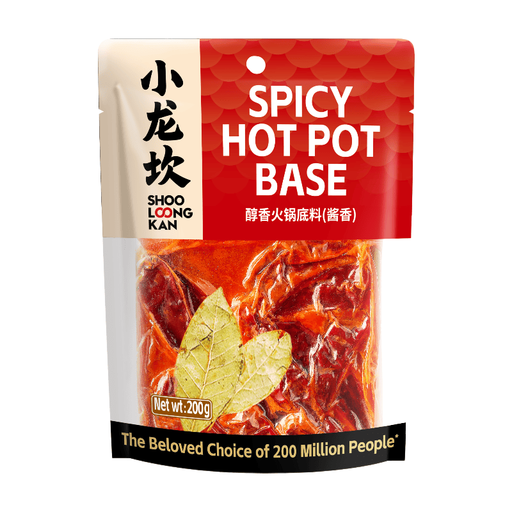
Why This Fits Their Persona: This is for the home cook chasing that authentic, fiery Sichuan 'mala' sensation. It delivers a complex, aromatic heat that is satisfying without completely overwhelming the palate, making it a great choice for enjoying a true Chinese hot pot base at home.
It avoids the "one-note spice" trap by using premium Pixian broad bean paste and visible whole chillies. This creates a layered, fragrant broth rather than just raw, flat heat.
The "mellow" spice level offers an authentic experience that is more accessible for home use. The inclusion of whole spices provides a richer flavour that develops as it simmers.

Why This Fits Their Persona: This is an ideal choice for gatherings with mixed palates, including children or guests who prefer non-spicy food. Its savoury, mild flavour provides a delicious foundation that pleases everyone.
It directly counters the "overly spicy" pitfall by offering a rich, savoury broth built on a foundation of shiitake mushrooms, kelp and pickled mustard stem. It ensures no one at the table is left out.
A versatile, multi-purpose base that is savoury and mild. It can be used for hot pot or as a base for other noodle soups and vegetable dishes.
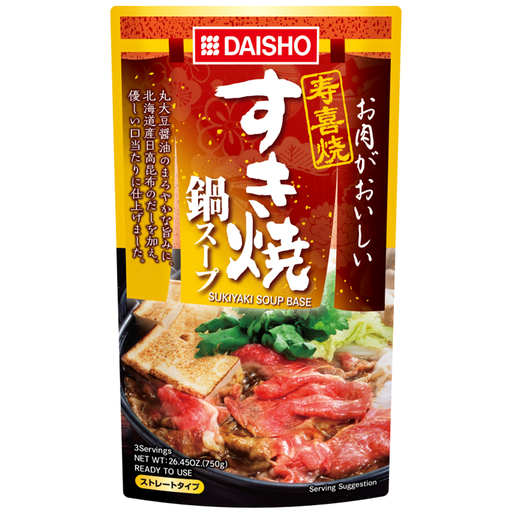
Why This Fits Their Persona: This base is specifically for those wanting to recreate an authentic Japanese hot pot base experience. It's perfect for a classic sukiyaki night with thinly sliced beef, tofu and vegetables.
It avoids the generic "Asian flavour" trap by providing a specific, well-balanced sukiyaki soup base. The blend of soy sauce, sugar and mirin delivers that signature sweet and savoury profile.
Provides an authentic sweet and savoury sukiyaki flavour. It's a versatile concentrate that can be diluted for hot pot or used as a simmering sauce for other dishes.
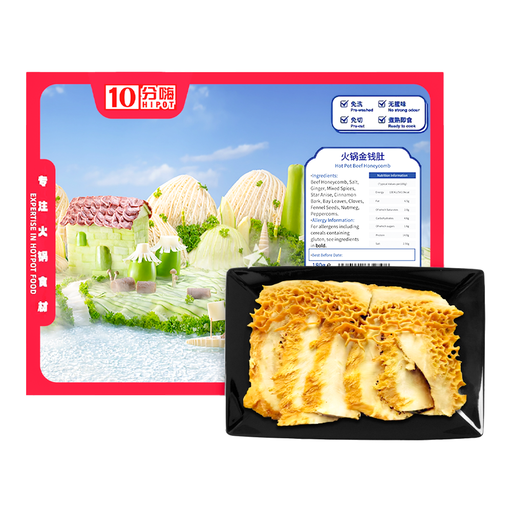
Why This Fits Their Persona: For the home cook who has mastered the basics and wants to add authentic, restaurant-style textures. This is a classic hot pot ingredient that adds a new dimension to the meal.
This counters the "poor quality ingredients" pitfall. It is a specific cut of beef tripe with a honeycomb structure designed to absorb sauce, offering a unique chewy texture that standard meats cannot replicate.
The unique honeycomb structure provides an excellent mouthfeel and is exceptional at absorbing the flavours of the hot pot broth. It is vacuum-packed to maintain freshness.
We have compiled a complete, real-time list of products that fully satisfy these strict selection criteria and UK safety regulations.
There's no fixed rule, but a good starting point for 2-3 people is one soup base, 2-3 types of protein (e.g., sliced meat, fish balls), 3-4 types of vegetables (like napa cabbage, mushrooms and spinach) and one type of tofu or noodle. The key is variety in flavour and texture.
Generally, Chinese hot pot bases offer a wider spectrum of intense flavours, with Sichuan's 'mala' (numbing and spicy) being the most famous. They often use rich beef tallow, chillies and a complex blend of spices. Japanese bases (nabe) are typically more subtle and umami-focused, with popular styles like sukiyaki (sweet soy), shio (salt) or tonkotsu (pork bone) broth.
For food safety reasons, it is not recommended to reuse hot pot broth, especially after it has had raw meat and seafood cooked in it for an extended period. The broth's flavour also changes significantly during cooking. It's always best to start with a fresh base for each hot pot meal.