
24/7 Customer Support

Free returns

Same-day & Next-day Delivery

Quality Guaranteed

Unlock Your Welcome Offers: FREE Delivery | Up to 80% OFF | Free 30-day JoyPlus trial
Download the APP
As a Joybuy Product Recommendation Officer, my role is to help you navigate the crowded online marketplace. When it comes to assembling a hot pot at home, the sheer number of choices can be overwhelming. This guide will help you understand the key differences in quality and flavour, ensuring you get authentic and delicious results without the guesswork.
Many shoppers looking to buy hot pot online in the UK encounter a few common pitfalls. Let's look at how to avoid them.
To ensure a satisfying meal, focus on these two critical areas: the soup base and the quality of your main ingredients.
The broth is the heart of your hot pot. Instead of grabbing the first packet you see, consider the style and format.
Regional Styles: Are you craving a fiery Chinese hot pot or a delicate Japanese hot pot?
Format:
Beyond the broth, the texture and quality of your dipping ingredients are what make the meal memorable.
Based on these criteria, here are a few recommendations matched to different preferences.
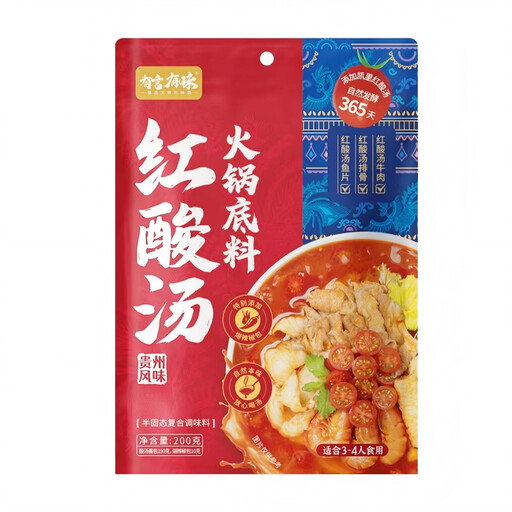
Why This Fits Their Persona: This is for the diner who wants to explore beyond standard mala. It offers a specific regional flavour from Guizhou, known for its tangy, appetising profile derived from fermented tomatoes and peppers.
It sidesteps the generic "authentic" label by being regionally specific. The mention of "365-day natural fermentation" points to a traditional process, promising a depth of flavour that generic bases lack.
Includes a separate chilli packet for adjustable spice levels. The broth is described as light and drinkable, unlike overly heavy or salty bases.
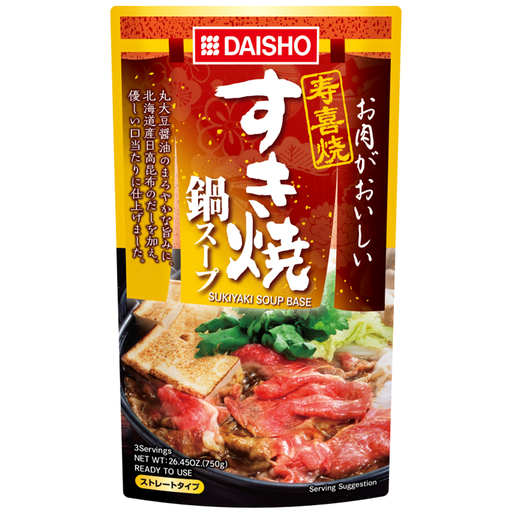
Why This Fits Their Persona: Sukiyaki is a fantastic entry into the world of Japanese hot pot. Its sweet and savoury soy-based flavour is approachable and pairs wonderfully with beef, tofu and vegetables, making it less intimidating than a fiery mala broth.
It solves the "soup base dilemma" by providing a well-balanced, ready-to-dilute liquid concentrate. This removes the guesswork of balancing sweet, salty and umami flavours yourself.
This is a versatile base from a well-known Japanese brand. The large 750g bottle is great for family meals and provides clear dilution instructions for consistent results.
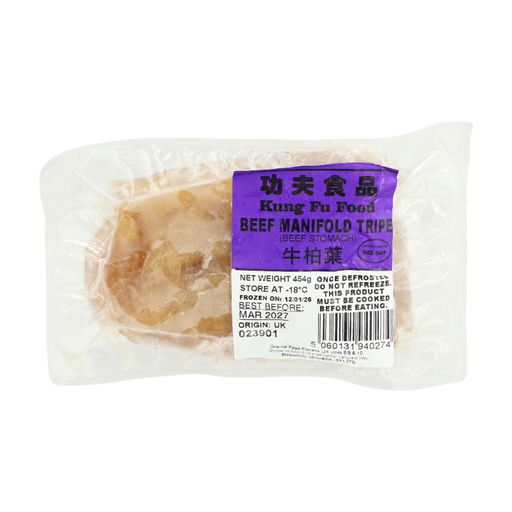
Why This Fits Their Persona: For the hot pot purist, certain ingredients are non-negotiable. This user is looking for high-quality, specific cuts like beef omasum (tripe) that are difficult to find in mainstream UK supermarkets.
It avoids the "frozen food gamble" by being specific. The description "100% pure beef omasum" and "distinctive honeycomb texture" assures the buyer they are getting the correct cut, known for its tender-crisp bite.
Provides clear usage instructions for hot pot (30-60 seconds cooking time), helping the user achieve the intended texture. It's a specialised ingredient for an authentic experience.
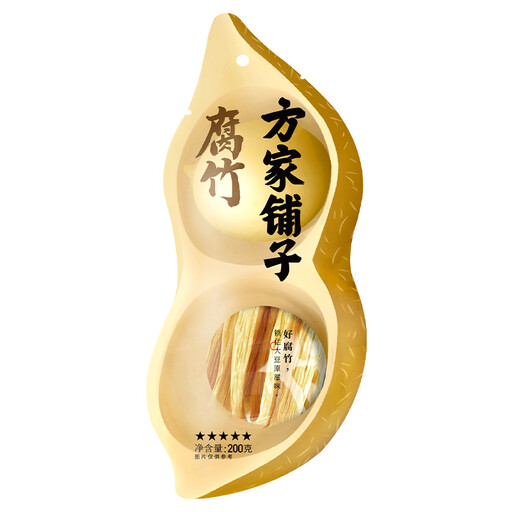
Why This Fits Their Persona: This is an essential for anyone building a vegetarian or vegan hot pot. Yuba provides a satisfying, chewy texture and is excellent at absorbing the flavours of the broth, making it a substantial and delicious plant-based component.
This product specifies it contains ≥85% soybeans and has a high protein content (39.3g per 100g). This indicates a quality product that will hold its texture, rather than a flimsy, starch-filled alternative.
It's highly versatile and requires simple preparation (soaking). It can be used in hot pot, stir-fries and soups, making it a useful pantry staple for fans of East Asian cuisine.
We have compiled a complete, real-time list of products that fully satisfy these strict selection criteria and UK safety regulations.
1. What is the difference between Chinese hot pot and Japanese hot pot? The main difference lies in the broth and dipping sauces. Chinese hot pot, particularly from Sichuan, is famous for its bold, spicy and numbing mala soup base. Japanese hot pot, or nabe, often features lighter, umami-rich broths. Sukiyaki is a popular style with a sweet and savoury soy sauce-based broth, while shabu-shabu uses a simple kombu (kelp) dashi where the flavour comes from the ingredients and dipping sauces.
2. How much of each ingredient do I need per person? A good rule of thumb is to plan for around 150-200g of sliced meat or seafood per person, and a generous variety of vegetables, tofu and noodles. For a group of four, aim for 1-2 types of meat, a seafood option like frozen fish balls, a tofu product like dried tofu skin, and at least 3-4 types of vegetables (e.g., Napa cabbage, mushrooms, bok choy).
3. Can I refreeze hot pot ingredients like meat and fish balls? It is generally not recommended to refreeze any food that has been thawed. This is especially true for raw meat and seafood. Refreezing can compromise the texture and safety of the product. It's best to only thaw the amount you plan to use for your meal. Always check the storage instructions on the packaging.