
24/7 Customer Support

Free returns

Same-day & Next-day Delivery

Quality Guaranteed

Unlock Your Welcome Offers: FREE Delivery | Up to 80% OFF | Free 30-day JoyPlus trial
Download the APP
As a Joybuy Product Recommendation Officer, my role is to help you navigate the crowded freezer aisle from the comfort of your home. When you decide to buy ice cream online, it’s easy to be swayed by tempting pictures and clever marketing. However, not all frozen treats are created equal. This guide will help you identify key quality markers and avoid common purchasing mistakes, ensuring your next delivery is filled with satisfying choices.
Before adding to your basket, be aware of a few frequent issues that can lead to disappointment. Understanding these helps you look past the packaging and choose with confidence.
To make a smart choice, focus on these three practical details. They are the true indicators of what you will be eating.
The foundation of any great ice cream is its base. Legally, for a product to be called "ice cream" in the UK, it must contain a minimum of 5% milk fat and 2.5% milk protein.
The quality of the flavour comes down to its source. When you're craving a specific taste like mango ice cream, check how it's achieved.
Consider how you plan to enjoy your frozen treat. The format can make all the difference.
Based on these practical criteria, here are a few recommendations matched to different needs and preferences.
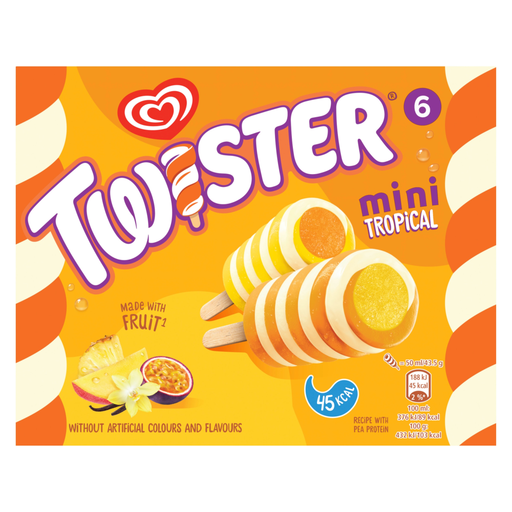
Why This Fits Their Persona: This multipack is ideal for families. The mini size is perfect for children's portions, and the combination of creamy and fruity ice is a proven crowd-pleaser. It's a fun, convenient and refreshing option for after-school treats or sunny weekends.
It avoids the "real fruit" illusion by being transparent. The description clearly states it's made with fruit juice from concentrate and specifies the percentages (e.g., 9.5% pineapple juice), setting clear expectations.
Made with natural flavours and no artificial colours. The mini format is excellent for portion control.

Why This Fits Their Persona: This is for someone seeking a sophisticated, multi-layered dessert experience. The combination of berries and cream-flavoured ice cream, tangy cherry sauce and cracking milk chocolate offers a complex texture and flavour profile for a grown-up treat.
It sidesteps the texture trap by delivering on its promise of richness. The use of a dairy base (reconstituted skimmed milk, cream) and real cocoa butter ensures the signature cracking chocolate and smooth ice cream experience.
Features multiple layers of texture and flavour. The cocoa is sourced from Rainforest Alliance Certified farms.
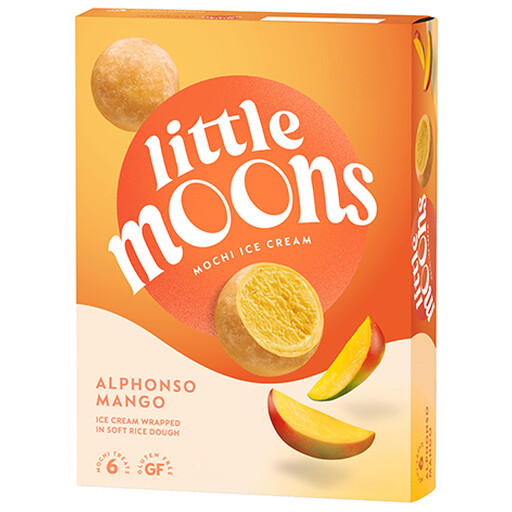
Why This Fits Their Persona: For those looking to explore global desserts, mochi offers a unique experience. The combination of chewy rice dough and creamy ice cream is a textural delight. The Alphonso mango flavour provides an authentic, sweet and tropical taste.
This product avoids the misleading volume trap because its value is not in size but in its unique format and quality. It is sold as a pack of six bite-sized portions, making the serving size clear from the outset.
Made with 20% mango puree for an authentic flavour. The mochi format offers a distinctive chewy and creamy texture.
We have compiled a complete, real-time list of products that fully satisfy these strict selection criteria and UK safety regulations.
What is the difference between kulfi and regular ice cream? Kulfi is a traditional frozen dessert from the Indian subcontinent. The main difference lies in its preparation and texture. Unlike ice cream, which is whipped to incorporate air, kulfi is made by slowly simmering milk to reduce it, which caramelises the sugars and thickens it naturally. This results in a much denser, creamier and slower-melting product compared to the lighter, airier texture of most Western ice creams.
How long should I let mochi ice cream sit out before eating? For the intended experience, it's a good idea to let mochi ice cream rest at room temperature for a few minutes (typically 3-5) after taking it out of the freezer. This allows the outer mochi dough to soften to its signature chewy texture, while the ice cream centre remains frozen but becomes slightly less hard, making it easier to bite into.
How can I prevent ice crystals from forming on my ice cream? Ice crystals form when ice cream partially thaws and then refreezes. To prevent this, store your ice cream tub at the back of the freezer where the temperature is most consistent. After serving, place a piece of cling film directly onto the surface of the remaining ice cream before putting the lid back on. This minimises contact with air and helps maintain a smooth texture.