
24/7 Customer Support

Free returns

Same-day & Next-day Delivery

Quality Guaranteed

Unlock Your Welcome Offers: FREE Delivery | Up to 80% OFF | Free 30-day JoyPlus trial
Download the APP
As a Joybuy Product Recommendation Officer, my role is to help you navigate the crowded online marketplace. When it comes to buying ice cream and frozen desserts, it’s easy to be swayed by tempting pictures only to be met with disappointment. Let's look at how to choose a frozen treat that truly delivers on its promise, avoiding the common pitfalls that lead to a subpar experience.
Ordering frozen treats for home delivery is wonderfully convenient, but it comes with its own set of challenges. Here are a few frequent issues UK shoppers encounter:
To avoid these traps, focus on a few key details before you add that tub or multi-pack to your basket.
The ingredients list is your most reliable guide to quality. For a rich and authentic flavour, look for real ingredients listed near the top.
Not all frozen desserts are created equal. The type of dessert dictates its texture, so choose one that matches your preference.
Consider who will be eating the dessert and when.
Here are a few recommendations from our catalogue, matched to different preferences and needs.
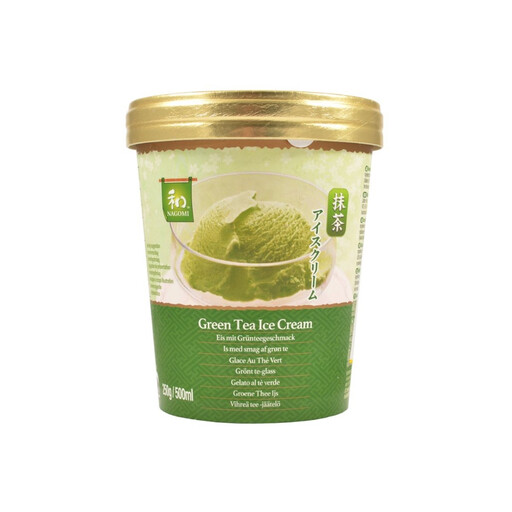
Why This Fits Their Persona: For those in the UK keen to explore authentic Asian ice cream, this product offers a genuine taste of Japan. It's designed for a sophisticated palate that appreciates the complex, bittersweet notes of real matcha rather than a simple sweet green tea flavour.
It directly counters the "flavour disappointment" pitfall. The ingredients list specifies 3% matcha green tea powder, ensuring an authentic, rich flavour profile that isn't reliant on artificial additives.
A luxuriously creamy texture balanced with a genuine bittersweet matcha taste. It's a refined dessert that works well on its own or as an accompaniment to other Japanese-inspired dishes.
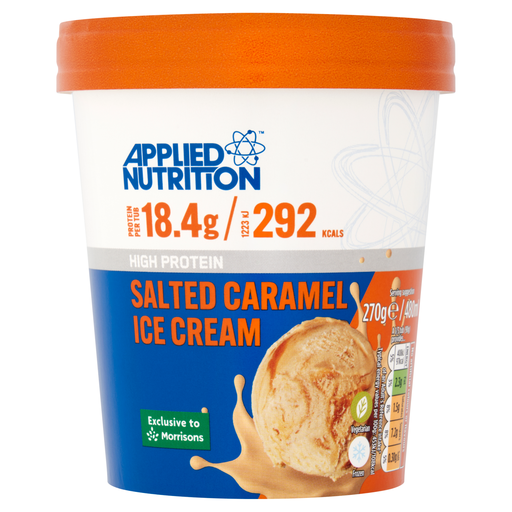
Why This Fits Their Persona: This is for the individual who wants to enjoy a dessert without compromising their fitness goals. It's a popular choice for those searching for protein ice cream that still delivers a satisfying, indulgent flavour.
It avoids the "texture letdown" common in lower-calorie desserts. By using a combination of milk proteins, chicory fibre and specific stabilisers, it maintains a creamy mouthfeel rather than becoming icy.
Delivers a substantial 18.4g of protein per tub with only 292 kcal. It is sweetened with erythritol and stevia and contains no artificial colours or flavours.

Why This Fits Their Persona: This multi-pack is a perfect freezer-filler for families. It also strongly appeals to those seeking authentic Indian kulfi, offering a taste of nostalgia with the convenience of a lolly. It's a refreshing, crowd-pleasing choice for all ages.
This product avoids the "world food mirage" by staying true to its roots. It uses mango pulp (25%) and whole milk to create the dense, creamy texture and authentic flavour characteristic of traditional kulfi.
Combines the convenience of an ice lolly with the rich, slow-melting texture of authentic kulfi. The high fruit content provides a vibrant, natural mango flavour.
We have compiled a complete, real-time list of products that fully satisfy these strict selection criteria and UK safety regulations.
The main difference lies in the preparation and texture. Traditional ice cream is churn-frozen, which incorporates air to make it lighter and fluffier. Kulfi, a traditional Indian frozen dessert, is not churned. It is made by slowly simmering and reducing milk until it thickens and caramelises, then freezing it in moulds. This process results in a much denser, creamier and slower-melting dessert compared to ice cream.
Ice crystals form when the ice cream partially thaws and then refreezes. To prevent this, ensure your freezer is set to a consistent -18°C or colder. After scooping, place a piece of cling film or wax paper directly onto the surface of the remaining ice cream before replacing the lid. This creates a barrier that minimises contact with air and moisture, which are the primary causes of freezer burn and ice crystals.
Protein ice creams can be a useful option for those looking to increase their protein intake while satisfying a sweet craving. They typically contain significantly more protein and less sugar than standard ice cream. However, it's important to view them as a "healthier" alternative dessert, not a health food. Always check the full nutritional information, including calories, fat and the types of sweeteners used, to ensure it aligns with your personal dietary goals.