
24/7 Customer Support

Free returns

Same-day & Next-day Delivery

Quality Guaranteed

Unlock Your Welcome Offers: FREE Delivery | Up to 80% OFF | Free 30-day JoyPlus trial
Download the APP
For many of us in the UK, a quick cup of instant coffee is an indispensable part of the daily routine. It’s fast, convenient and gets the job done. However, with so many options on the supermarket shelves and online, it's easy to end up with a jar that doesn't live up to its promise. Before you next buy instant coffee online, it pays to be aware of a few common purchasing traps that can lead to a disappointing brew.
As the Joybuy Product Recommendation Officer, my role is to help you navigate the market and make choices that suit your taste and budget, without falling for the hype.
Navigating the coffee aisle can be confusing. Here are three frequent issues that catch shoppers out:
To make a more informed choice, focus on these objective factors rather than just the marketing claims.
This is perhaps the most significant factor affecting the flavour of instant coffee.
Kenco coffee and L'OR coffee often use this method for their premium lines.The type of coffee bean is fundamental to the final taste.
espresso instant coffee blends to produce a stable and rich crema.The world of instant coffee is evolving. Beyond traditional granules, you can now find liquid coffee concentrate. This format offers exceptional convenience, dissolving instantly in both hot and cold water or milk. It's an excellent option for making quick iced coffees or for those who want a perfectly smooth brew without any risk of undissolved granules.
Based on these practical considerations, here are a few recommendations matched to different coffee-drinker profiles.
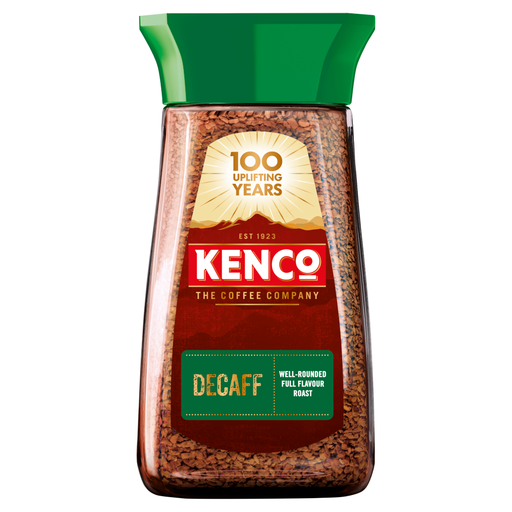
Why This Fits Their Persona: Ideal for UK households that enjoy the ritual and taste of coffee in the afternoon or evening but want to avoid the stimulating effects of caffeine. It provides a familiar, comforting brew at any hour.
Instead of vague flavour promises, this product delivers on a specific, verifiable feature: being a decaf instant coffee. The focus is on retaining a smooth coffee flavour through the decaffeination process.
This is a freeze-dried coffee, which helps preserve a well-rounded taste. The large 200g jar offers good value for regular decaf drinkers.
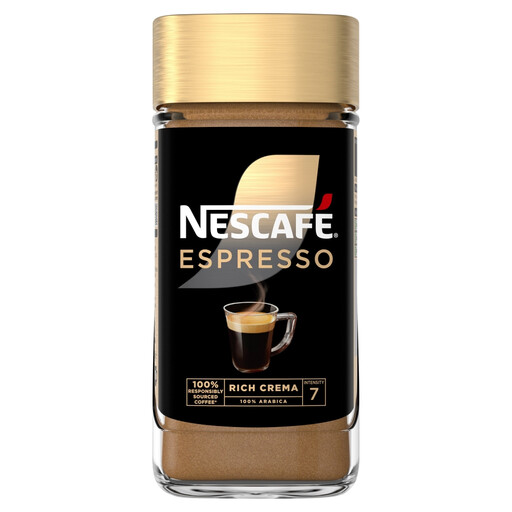
Why This Fits Their Persona: For the busy professional or student who craves the intensity of a café espresso but needs the speed of instant. It delivers a powerful flavour kick to start the morning or beat the afternoon slump.
It avoids the "rich roast" ambiguity by clearly labelling itself as an espresso instant coffee. This sets a specific expectation for an intense, concentrated flavour profile, which it delivers using 100% Arabica beans.
This coffee is known for producing a velvety crema, a feature often missing in standard instant coffees, which enhances the espresso-like experience.
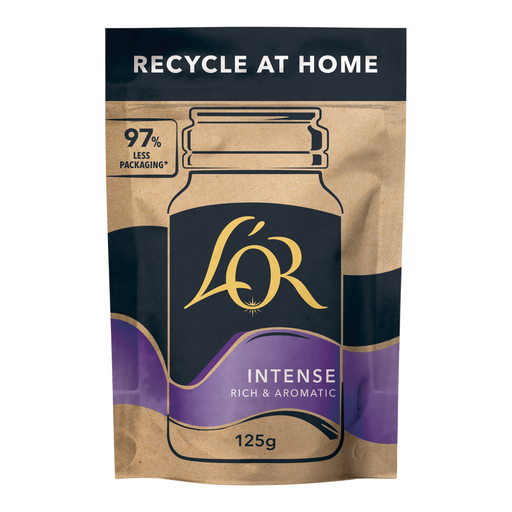
Why This Fits Their Persona: Perfect for the environmentally-minded consumer in the UK who wants to reduce their household packaging waste without sacrificing the quality of their coffee.
This directly counters the "paying for packaging" trap. By offering a refill pack, the focus is squarely on the coffee itself, while also providing a clear, tangible benefit in the form of reduced waste.
The innovative paper packaging is designed for home recycling. The coffee itself is a freeze-dried, intense blend for a rich and aromatic experience.
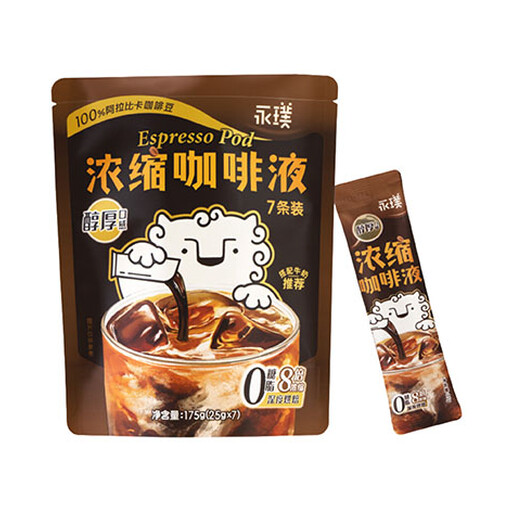
Why This Fits Their Persona: For the tech-savvy, on-the-go individual who loves trying new things and values ultimate convenience. It's perfect for making instant iced lattes or a quick hot coffee at the office or while travelling.
This liquid coffee concentrate sidesteps the granule quality debate entirely. Its value is in its innovative format, mixability and convenience, offering a different kind of coffee experience.
Dissolves instantly in hot or cold liquids for a perfectly smooth drink every time. The single-serve packets ensure freshness and consistent flavour.
We have compiled a complete, real-time list of products that fully satisfy these strict selection criteria and UK safety regulations.
Start with water that is hot but not boiling (around 90-94°C), as boiling water can scorch the coffee granules and create a bitter taste. Ensure you stir thoroughly until all the granules are dissolved. For a smoother taste, try adding your milk or milk alternative to the cup before the hot water.
The main difference is flavour preservation. Freeze-drying is a gentler, low-temperature process that retains more of the coffee's natural aromatic compounds. Spray-drying uses high heat, which is faster and cheaper but can result in a loss of some delicate flavours. If taste is your priority, freeze-dried coffee is often a more reliable choice.
No, but it's very close. The decaffeination process removes the vast majority of caffeine (typically 97% or more). A standard cup of decaf instant coffee will contain a very small, trace amount of caffeine, usually around 2-5mg, compared to the 60-100mg in a regular cup. It is suitable for those looking to significantly reduce their caffeine intake.