
24/7 Customer Support

Free returns

Same-day & Next-day Delivery

Quality Guaranteed

Unlock Your Welcome Offers: FREE Delivery | Up to 80% OFF | Free 30-day JoyPlus trial
Download the APP
Navigating the world of instant noodles online can be more complex than it seems. While local supermarkets offer a familiar, often westernised, selection, those searching for authentic global flavours often face a few common hurdles. Many find themselves disappointed by bland broths, surprisingly small portions or ingredients that don't align with their dietary needs. As a Product Recommendation Officer, my role is to help you sidestep these issues and find the right noodles for your pantry.
This guide will break down the key factors to consider, helping you move past the marketing hype and make informed choices when you decide to buy instant noodles online.
Before you fill your basket, be aware of these frequent traps that can lead to a disappointing meal:
To ensure you get exactly what you're looking for, focus on these three core characteristics.
The noodle itself is the foundation of the dish. The texture and base ingredient dramatically change the eating experience.
Instant noodles generally fall into two categories, each offering a different kind of meal.
To find your new favourite, it helps to know what to expect from different regions:
To make your choice easier, we have matched some popular options to different preferences.
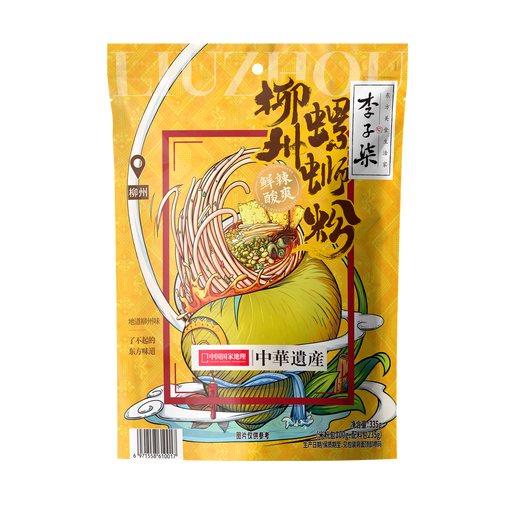
Why This Fits Their Persona: For the adventurous foodie in the UK eager to try one of China's most talked-about dishes. This is for someone who actively seeks out bold, complex and authentic regional flavours that are impossible to find in mainstream shops.
This kit directly counters the "authentic flavour illusion" by delivering the genuine, pungent and sour-spicy profile of luosifen UK. It is unapologetically bold, not a toned-down version.
It's a complete kit with all the traditional toppings, including rice noodles, sour bamboo shoots, pickled beans and chili oil, for a restaurant-style experience at home.
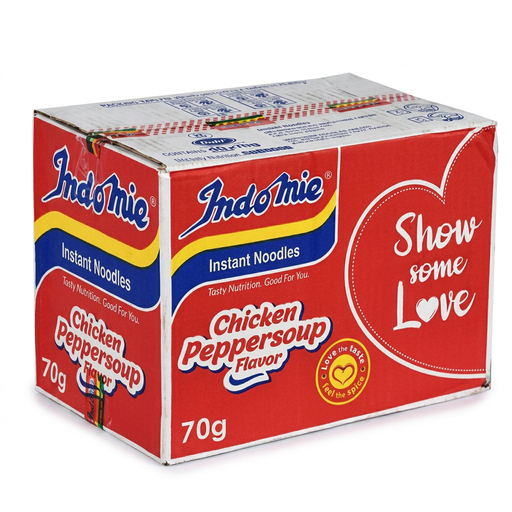
Why This Fits Their Persona: Ideal for families, students or anyone looking to buy instant noodles online in a cost-effective format. This is for the person who values having a reliable, quick and flavourful meal base ready in the cupboard at all times.
This 40-pack of bulk instant noodles solves the portion-and-price puzzle. It provides a consistent, satisfying snack-sized portion at a predictable cost, avoiding the disappointment of unexpectedly small servings.
Features the authentic and much-loved Nigerian Indomie flavour with a warming pepper chicken kick. The noodles are also fortified with essential vitamins and minerals.
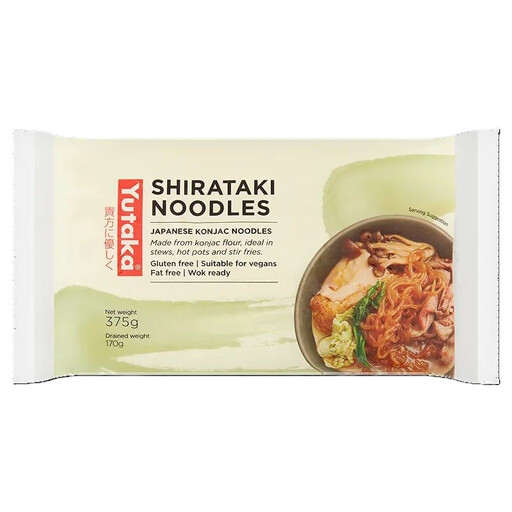
Why This Fits Their Persona: A perfect choice for those on low-carb, keto or gluten-free diets. It's a versatile noodle substitute for anyone wanting to enjoy noodle dishes without the associated carbohydrates and calories.
This product avoids the "hidden dietary mismatches" trap entirely. Its ingredients are simple and transparent (water, konjac flour), making it a reliable choice for vegan noodles and those with specific dietary restrictions.
These shirataki noodles are virtually calorie-free and carbohydrate-free. They come pre-cooked and packed in water, requiring only a quick rinse before being added to soups or stir-fries.
We have compiled a complete, real-time list of products that fully satisfy these strict selection criteria and UK safety regulations.
Instant noodles are a fantastic base. To make them more nutritious, consider adding a source of protein like a soft-boiled egg, leftover cooked chicken or fried tofu. You can also increase the fibre by adding fresh or frozen vegetables like bok choy, spinach, sweetcorn or spring onions in the last minute of cooking.
While often used interchangeably, they are different. Ramen is the Japanese term for wheat noodles served in broth. Ramyun is the Korean version, which is typically instant and known for its spicier flavour profiles. Soba are Japanese noodles made from buckwheat flour, giving them a distinct nutty flavour and a slightly grainier texture. They can be served hot in a soup or cold with a dipping sauce.
Yes. For low-carb diets, shirataki noodles made from konjac are an excellent choice as they contain almost no carbohydrates. For vegan noodles, many brands now offer explicitly plant-based options, like the Samyang Tangle Protein Pasta range. However, it is always crucial to read the full ingredients list, as many standard "vegetable flavour" noodles contain milk or other animal-derived products in the seasoning powder.