
24/7 Customer Support

Free returns

Same-day & Next-day Delivery

Quality Guaranteed

Unlock Your Welcome Offers: FREE Delivery | Up to 80% OFF | Free 30-day JoyPlus trial
Download the APP
From a quick student lunch to a comforting late-night meal, instant noodles have become a staple in many UK cupboards. The online marketplace is brimming with options, from classic chicken to fiery Korean ramen and complex Chinese noodles. However, navigating this vast selection can be tricky. Packaging can be misleading, and what seems like a bargain might be a disappointment in a bowl. As a Joybuy Product Recommendation Officer, my role is to help you see past the marketing and choose a product that genuinely delivers on flavour and convenience.
Before you buy instant noodles online, let's look at a few common pitfalls that can lead to a dissatisfying purchase.
To avoid these issues, focus on a few key parameters. Paying attention to these details will ensure you get the texture, flavour and convenience you're looking for.
The noodle is the foundation of the meal, and its type dictates the entire experience.
Understanding the format is crucial for managing expectations.
How you plan to consume your noodles should influence your purchase.
Based on these practical criteria, here are a few recommendations tailored to different needs and preferences.
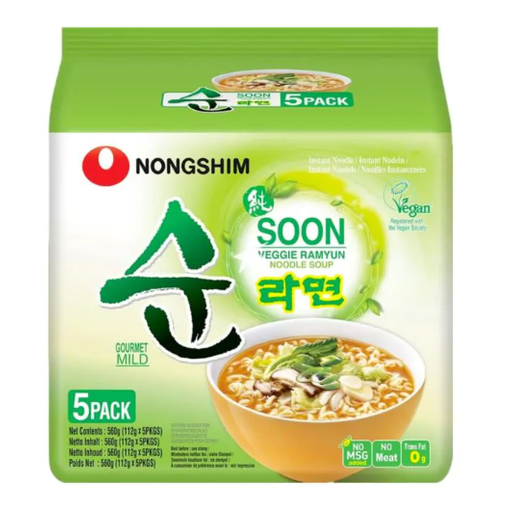
Why This Fits Their Persona: This multipack is perfect for stocking a student pantry. As a vegetarian-friendly option, it suits a wide range of dietary preferences, making it a safe bet for shared kitchens. The preparation is straightforward, requiring just one pot.
It avoids the "Vague Ingredient List" trap by being clearly labelled as vegetarian, with a clean, savoury broth derived from vegetables, not mysterious "flavourings".
The mild yet flavourful broth makes it a versatile base for adding your own ingredients like an egg, fresh greens or tofu. It is also Halal certified.
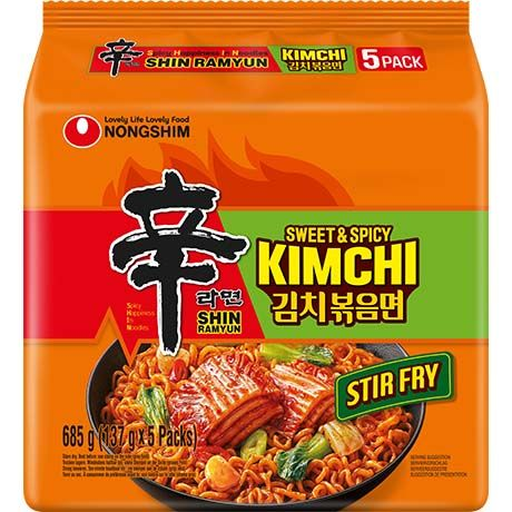
Why This Fits Their Persona: For those who seek genuine heat and flavour, this stir-fry noodle from the popular Nongshim ramen line delivers. The 'dry' format ensures the spicy kimchi sauce coats every noodle for an intense, satisfying kick.
This sidesteps the "Authentic Flavour" trap. The flavour profile is complex, combining the signature fermented tang of kimchi with robust spice, not just one-note chilli heat.
The stir-fry preparation prevents a diluted, watery broth, resulting in a much richer flavour. It also includes real kimchi flakes for authentic texture and taste.
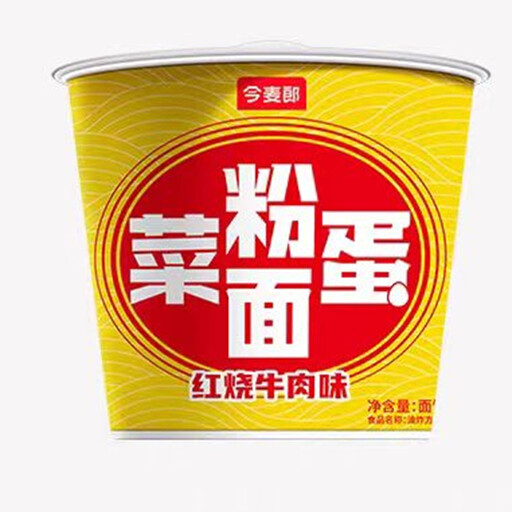
Why This Fits Their Persona: This all-in-one bucket is the definition of a convenient desk lunch. It requires no extra cookware—just boiling water from the kettle. The rich braised beef flavour and multiple components make it feel like a more complete meal.
It avoids the "Convenience" illusion entirely. As a self-contained bucket with a fork, sauce and vegetable packets included, it is genuinely a 'just add water' meal.
The combination of both wheat noodles and vermicelli provides a unique dual texture, making it more interesting than a standard instant noodle cup.
We have compiled a complete, real-time list of products that fully satisfy these strict selection criteria and UK safety regulations.
1. How can I make instant noodles into a more balanced meal? Upgrading your instant noodles is simple. Add a source of protein like a soft-boiled egg, leftover cooked chicken or fried tofu. Incorporate fresh or frozen vegetables such as spinach, pak choi, sweetcorn or spring onions. A drizzle of sesame oil or a sprinkle of toasted sesame seeds can also add extra flavour and texture.
2. What is the main difference between Korean and Japanese instant ramen? While there is huge variety in both, some general distinctions can be made. Korean ramyun often features a bolder, spicier flavour profile, with kimchi and gochujang (chilli paste) being common bases. The noodles are also frequently thicker and chewier. Japanese instant ramen often focuses on broths like miso, shoyu (soy sauce) or tonkotsu (pork bone), which can range from light and clear to rich and creamy, with spice being more of an optional addition.
3. Are instant noodle cups and bowls recyclable in the UK? This depends on the material and your local council's recycling capabilities. Many paper-based cups have a thin plastic lining to make them waterproof, which means they cannot be recycled with standard paper and card. Polystyrene foam cups are also not widely recycled. Always check the packaging for recycling symbols and consult your local council's guidelines. When in doubt, it is better to dispose of them in general waste to avoid contaminating a recycling batch.