
24/7 Customer Support

Free returns

Same-day & Next-day Delivery

Quality Guaranteed

Unlock Your Welcome Offers: FREE Delivery | Up to 80% OFF | Free 30-day JoyPlus trial
Download the APP
The world of Japanese alcohol offers a fascinating spectrum of flavours, from the crisp refreshment of a Japanese lager to the complex elegance of a premium Japanese whisky. However, as its popularity has grown in the UK, so has the confusion. Navigating the options to buy Japanese drinks online can feel overwhelming, with unfamiliar terms and marketing hype making it difficult to choose with confidence. Many shoppers find themselves paying a premium for a product that doesn't match their taste or expectations.
As a Joybuy Product Recommendation Officer, my role is to help you sidestep these issues. Before you make a purchase, let's look at two common traps that can lead to disappointment.
To ensure you get a drink you'll genuinely enjoy, focus on a few core parameters rather than just the brand name.
For anyone looking to buy Japanese sake, the most important term to understand is the Seimai-buai, or rice polishing ratio. This number indicates how much of the original rice grain remains after the outer layers (which contain fats and proteins that can create off-flavours) have been polished away.
Understanding this helps you match a bottle to your budget and taste. You don't need to start with an expensive Daiginjo to appreciate good sake.
Many Japanese lagers are described as Karakuchi (辛口), which translates to "dry." This doesn't mean the beer lacks flavour. Instead, it refers to a brewing process that minimises residual sugars, resulting in an exceptionally clean, crisp and sharp finish that refreshes the palate. Beers like Asahi Super Dry are famous for this characteristic, making them an excellent companion for a wide range of foods, from sushi to rich curries, as they don't leave a heavy or cloying aftertaste.
Based on these practical considerations, here are a few recommendations tailored to different needs and occasions.

Why This Fits Their Persona: Ideal for stocking up before a barbecue or party. Asahi Super Dry is a crowd-pleasing Japanese lager that pairs well with almost any food, from pizza to sushi, making it a reliable choice for hosts catering to varied tastes.
While some batches are brewed in Europe, they adhere to the authentic Japanese recipe, ensuring the signature Karakuchi dry finish is consistent. You know exactly what you are getting.
The exceptionally clean, crisp finish refreshes the palate, making it a superb companion for food. The 24-bottle case offers great value for gatherings.
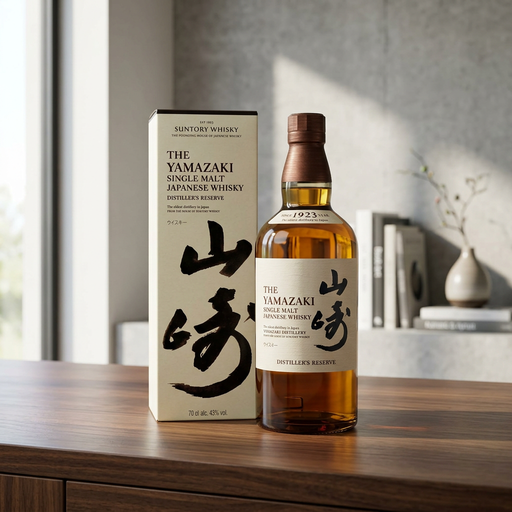
Why This Fits Their Persona: For those who appreciate fine spirits and want to explore the world of premium Japanese whisky. This is an expression from Japan's oldest malt distillery, offering a taste of true Japanese craftsmanship.
This is an authentic single malt whisky distilled and bottled in Japan. It completely avoids the "Japanese-style" pitfall, as its origin and provenance are central to its identity and value.
It is matured in a combination of casks, including rare Japanese Mizunara oak, which imparts a unique and complex profile of strawberry, cherry and sandalwood incense.
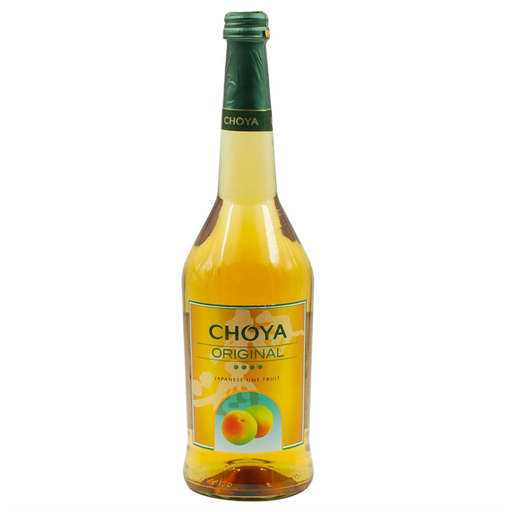
Why This Fits Their Persona: Perfect for someone seeking a sweet, flavourful alternative to beer or spirits. It can be enjoyed chilled, on the rocks or as a versatile base for simple cocktails with soda or ginger ale.
This is a classic example of a traditional umeshu liqueur. It delivers exactly what it promises: an authentic flavour derived from steeping whole ume plums, avoiding the "plum wine" confusion.
It achieves a masterful balance between sweet and tart notes, offering a rich plum flavour without being overly sugary or cloying. Its versatility is a major plus.
We have compiled a complete, real-time list of products that fully satisfy these strict selection criteria and UK safety regulations.
The serving temperature for sake depends on its grade. Premium, aromatic styles like Ginjo and Daiginjo are typically served chilled (around 10-15°C) in a wine glass to preserve their delicate floral and fruity notes. Fuller-bodied Junmai can be enjoyed at a wider range of temperatures, including gently warmed to around 40-45°C, which can enhance its umami character. Avoid overheating, as it can destroy the subtle flavours.
The value of premium Japanese alcohol, particularly whisky, lies in its meticulous production methods, unique maturation processes (such as the use of rare Mizunara oak) and often limited supply. While aged statements can be costly, entry-level expressions from major distilleries like the Suntory Yamazaki Distiller's Reserve provide an accessible way to experience the signature elegance and complexity of the style. It's an investment in a different kind of whisky experience, often prized for its balance and fragrance.
Both are classic Japanese lagers, but they offer different taste profiles. Asahi Super Dry is defined by its crisp, clean and "Karakuchi" dry finish, designed to cleanse the palate. Sapporo Premium Beer, Japan's oldest beer brand, generally has a slightly richer malt character and a smoother, more balanced profile. Your choice depends on personal preference: Asahi for an exceptionally sharp and refreshing experience, or Sapporo for a more traditional, well-rounded lager flavour.