
24/7 Customer Support

Free returns

Same-day & Next-day Delivery

Quality Guaranteed

Unlock Your Welcome Offers: FREE Delivery | Up to 80% OFF | Free 30-day JoyPlus trial
Download the APP
The joy of recreating a perfect bowl of ramen or a sizzling plate of yakisoba at home is undeniable. With the rise of online shopping, accessing authentic Japanese ingredients has never been easier for UK residents. However, the digital aisles are vast and it's easy to make costly mistakes. Many shoppers find themselves with products that don't match the authentic flavours they crave or, worse, the wrong ingredients for their intended recipe.
As a Joybuy Product Recommendation Officer, my role is to help you navigate the market. Here are two common pitfalls to watch for when you buy Japanese food UK and how to avoid them.
To ensure you get the right products for your culinary adventures, focus on a few key details. These parameters will help you cut through the clutter and make informed choices.
Understanding the fundamental differences between popular Japanese noodles is crucial. They are not interchangeable and using the correct type is the first step to an authentic dish.
For more adventurous cooks looking for specific items like natto for sale or sashimi-grade seafood, extra diligence is required.
Based on these practical criteria, here are a few recommendations from our catalogue, matched to different needs and lifestyles.
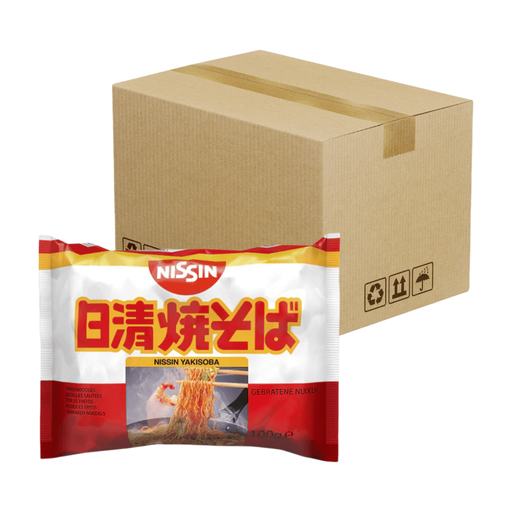
Why This Fits Their Persona: This bulk pack is ideal for stocking the pantry for quick, no-fuss meals after a long day of work or study. The individual portions are perfect for a single, satisfying meal that is ready in minutes.
It is clearly labelled as yakisoba, ensuring you have the correct wheat noodle for a classic Japanese stir-fry and avoiding the common noodle mix-up.
Economical 30-pack case. Includes a Worcestershire-style sauce packet for an authentic, savoury flavour.
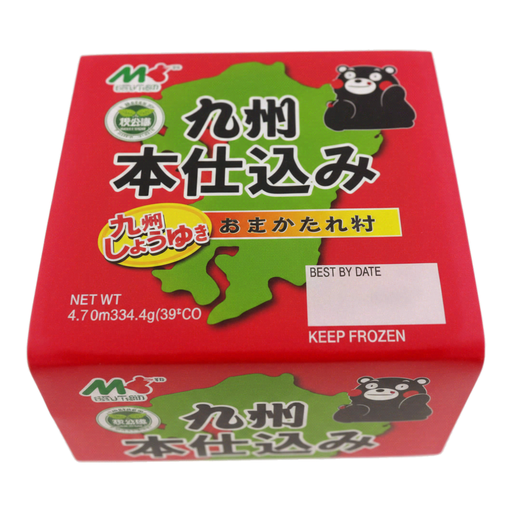
Why This Fits Their Persona: For the home cook in the UK eager to explore the deeper flavours of Japanese cuisine, natto is a must-try. This product offers an accessible way to experience this traditional fermented soybean dish.
This is a frozen product, which addresses the need for careful sourcing of speciality items. The clear storage instructions (Keep frozen at -18°C) ensure you handle it correctly for the intended taste and texture.
Comes in three individual portions with accompanying sweet sauce packets, providing an authentic and convenient way to prepare it.
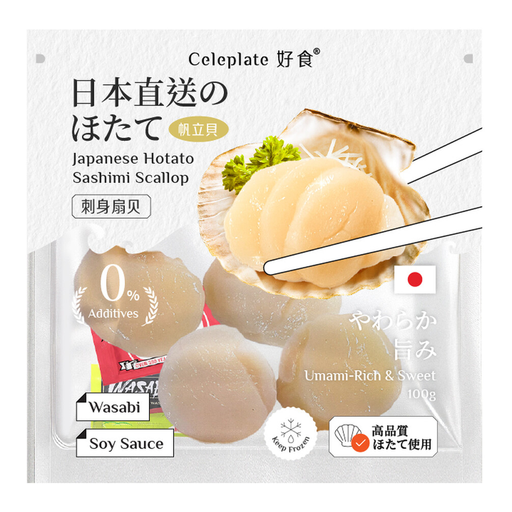
Why This Fits Their Persona: For those who want to create a high-quality sashimi platter at home, these scallops provide a premium, restaurant-level experience without the complexity. They are perfect for a special occasion or a refined meal.
This product is explicitly described as sashimi-grade and flash-frozen at the source in Japan. This information directly addresses the authenticity and safety concerns of eating raw seafood.
Sourced from the cold waters of northern Japan (FAO Area 61), known for quality. The scallops have a sweet, creamy flavour and tender texture ideal for raw preparations.
We have compiled a complete, real-time list of products that fully satisfy these strict selection criteria and UK safety regulations.
When ordering frozen items, always check the retailer's delivery policy. Reputable online stores offering Asian food online use specialised cold-chain logistics, which includes insulated boxes and coolant packs to maintain a frozen temperature during transit. Upon arrival, check that the product is still firm and frozen.
The primary difference is the flour used. Soba noodles are made from buckwheat flour, giving them a nutty taste and a texture suitable for both hot and cold dishes. In contrast, yakisoba noodles are made from wheat flour and are specifically prepared for stir-frying, providing a chewier, more robust texture that holds up well in a pan.
Often, they are not. Major brands like Nissin ramen may produce different formulations for different international markets to suit local tastes. If you are seeking a flavour profile that is as close as possible to the Japanese original, check the product's country of origin on the packaging. This can often be a good indicator of the recipe's authenticity.