Joybuy Insights

Where to Buy Japanese Mochi Online: Top UK Recommendations

For many in the UK, the search for authentic Japanese mochi can be a challenge. While ice cream-filled varieties are becoming more common, finding the traditional, soft wagashi (Japanese confections) with classic fillings like anko red bean paste often means looking beyond the local supermarket. If you're seeking the genuine texture and flavour of these beloved Japanese rice cakes, you've come to the right place.

As the Joybuy Product Recommendation Officer, my role is to help you navigate the options available. This guide is designed to clarify what makes a quality mochi and to highlight some excellent choices you can buy online and have delivered to your home in the UK.

A Quick Guide to Choosing Japanese Mochi

Before we look at specific products, here are a few points to consider when selecting Japanese desserts UK-wide. Understanding these can help you choose the perfect mochi for your taste.

1. Know Your Mochi Types

The world of mochi is vast, but a few key types are central to the experience.

  • Daifuku Mochi: This is perhaps the most iconic form. It consists of a soft, round mochi shell filled with a sweet paste, most commonly anko red bean paste. The name translates to "great luck."
  • Kusa Mochi: Meaning "grass mochi," this variety is flavoured and coloured with Japanese mugwort (yomogi). This gives it a distinctive deep green colour and a fresh, slightly earthy and herbaceous aroma that beautifully complements the sweet filling.
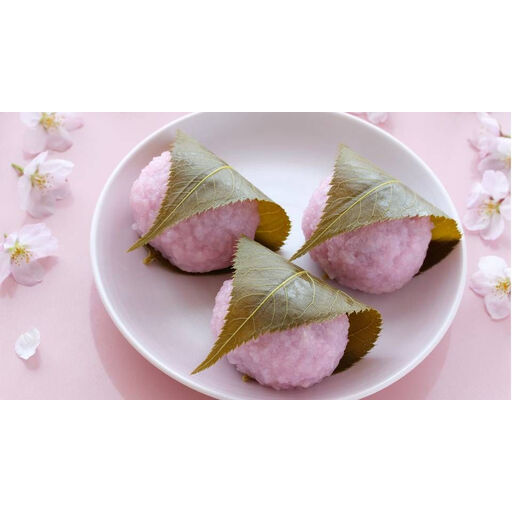
  • Sakura Mochi: A seasonal treat associated with spring and cherry blossom viewing (hanami). It has a pink hue, is filled with red bean paste and is traditionally wrapped in a salt-pickled cherry blossom leaf, which imparts a unique salty and floral note.

2. The Importance of Ingredients

Authenticity lies in the ingredients. Traditional mochi is made from mochigome, a type of short-grain glutinous rice known for its chewy texture when pounded. The filling, or an, is just as important. High-quality anko red bean paste provides a rich, subtly sweet flavour that is the heart of many daifuku mochi.

3. Why Choose Frozen Mochi?

Many of the most authentic Japanese mochi available for import to the UK are sold as frozen mochi. This is not a sign of lower quality; in fact, it is the opposite. Flash-freezing is a professional technique used to preserve the mochi's delicate, soft and chewy texture perfectly. It ensures that when you defrost it at room temperature, you experience it almost exactly as it was when freshly made in Japan.

Our Top Product Recommendations

Here are a few standout options that showcase the wonderful diversity of traditional Japanese mochi.
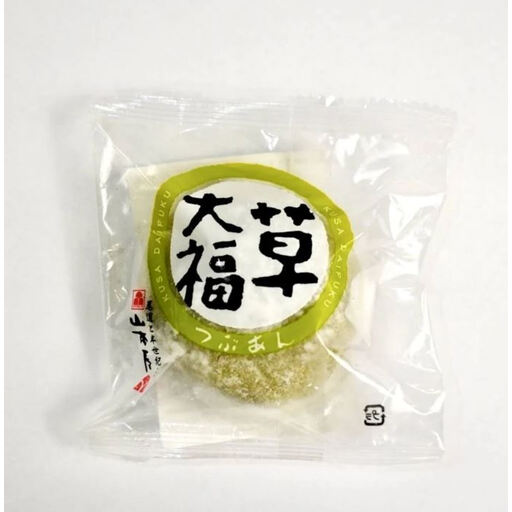
Yamamotoya Mugwort (Kusa) Daifuku Mochi

Yamamotoya Mugwort (Kusa) Daifuku Mochi

  • Why It Stands Out: This is a fantastic example of classic kusa mochi. The inclusion of real mugwort provides an unmistakable earthy and aromatic flavour that is highly prized in traditional wagashi. It offers a taste that is deeply rooted in Japanese confectionery history.
  • Pros:
    • Features an authentic, herbaceous flavour from Japanese mugwort.
    • Filled with classic, sweet azuki red bean paste.
    • The soft, chewy texture is characteristic of high-quality daifuku mochi.
  • Who is it for?: This is an ideal choice for those who appreciate traditional Japanese flavours and enjoy the unique, slightly savoury notes of mugwort paired with sweet bean paste.

Kitakyu Sakura Mochi (Kansai-Style)

Kitakyu Sakura Mochi

  • Why It Stands Out: This sakura mochi is made in the Kansai style, using Domyojiko (coarse glutinous rice flour). This gives it a distinct, slightly grainy texture more akin to a very fine rice pudding, which differs from the smoother Kanto-style mochi. The salt-pickled cherry leaf wrapper is edible and provides a wonderful salty-sour contrast to the sweet filling.
  • Pros:
    • Authentic Kansai-style texture offers a unique eating experience.
    • Beautiful balance of sweet anko red bean paste and the salty, floral cherry leaf.
    • Evokes the feeling of Japanese spring and the hanami tradition.
  • Who is it for?: Perfect for anyone wanting to celebrate a seasonal occasion, recreate a travel memory, or experience a specific regional style of wagashi.

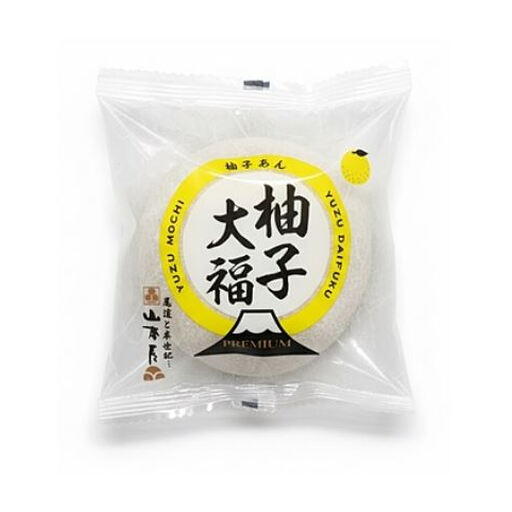
Yamamotoya Yuzu Daifuku Mochi

Yamamotoya Yuzu Daifuku Mochi

  • Why It Stands Out: This daifuku offers a modern and refreshing twist. Instead of the traditional red bean paste, it is filled with a white kidney bean paste flavoured with yuzu, a fragrant Japanese citrus. The result is a bright, zesty and aromatic confection.
  • Pros:
    • The yuzu filling is light, fragrant and less sweet than traditional anko.
    • Offers a bright citrus flavour that is both refreshing and sophisticated.
    • Maintains the classic soft and chewy mochi texture.
  • Who is it for?: An excellent option for those who enjoy citrus desserts or are looking for a mochi experience that is a little different from the classic red bean-filled varieties.

Looking for More Options?

The world of Japanese rice cakes is wonderfully diverse. If the flavours above aren't quite what you're after, or if you're simply curious to see what other varieties are available, we invite you to explore our full range.

? Discover our complete collection of cake and mochi products

Frequently Asked Questions

What is the difference between mochi and daifuku?

Mochi is the plain cake made from pounded glutinous rice. Daifuku mochi refers specifically to mochi that has been filled, typically with a sweet paste like anko. So, all daifuku is a type of mochi, but not all mochi is daifuku.

How should I store and eat frozen mochi?

For the frozen mochi recommended here, you should keep it in your freezer until you are ready to eat it. To serve, simply take it out and let it thaw at room temperature for a few hours. Once it has softened completely, it is ready to enjoy. It is not recommended to refreeze mochi after it has been thawed, as this can spoil its delicate texture.

Is mochi a healthy dessert?

Mochi is a simple confection made primarily from glutinous rice, sugar and a filling. It is naturally low in fat and, in its traditional form, is free from dairy and gluten. Like any sweet treat, it is best enjoyed in moderation as part of a balanced diet. The use of bean paste as a filling also provides some protein and fibre.